ED biography directive triggers backlash over council spending
 By Rebecca Zimera4 min read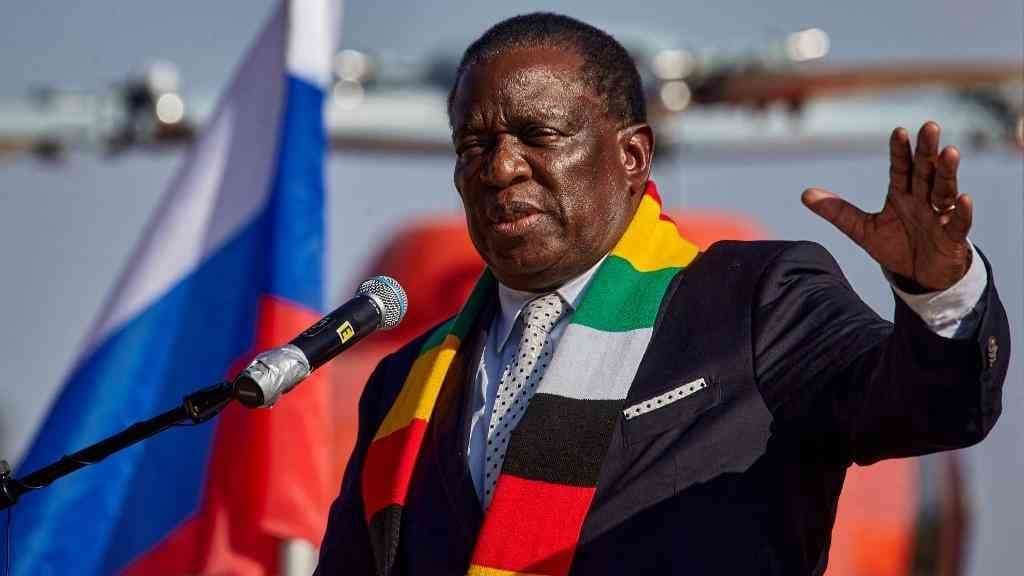
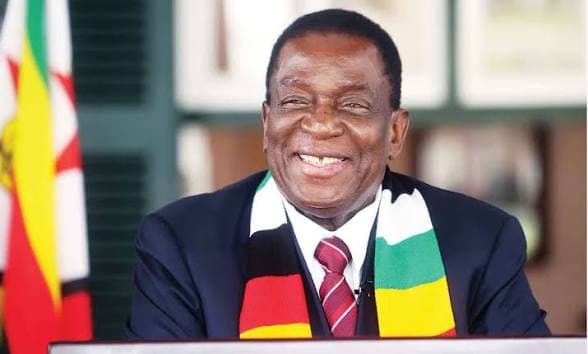
ED biography directive has opened a fresh political fight after local authorities were told to buy President Emmerson Mnangagwa’s revised biography for distribution to schools. The order landed as many councils are already struggling to fund water, roads, waste collection and other basic services, turning a book purchase into a test of how public money is being prioritised.
The dispute reaches beyond one memo. Local authorities in Zimbabwe are supposed to focus on service delivery under the country’s devolution framework, while schools normally fall under the education system’s own approval channels. That is why the directive has drawn scrutiny not just as a procurement issue, but as a sign of how political interests can spill into institutions with different legal mandates.
A school book order landed through the wrong power channel
In a memo dated March 31, Local Government ministry permanent secretary John Basera instructed town clerks and council chief executives to make immediate arrangements to procure and distribute *A Life of Sacrifice*, a revised and translated biography of Mnangagwa.
The pricing sharpened the dispute. Councils were told copies would cost US$17 each, or US$15 for bulk purchases of 100 or more, meaning the directive was not symbolic. It carried a direct budget implication for local authorities already under pressure to stretch thin revenue bases.
That created the central contradiction in the story. The ministry issued a directive through the machinery of government, but later insisted the purchase was voluntary. In Zimbabwe’s administrative structure, a written instruction from a permanent secretary is rarely read as a casual suggestion.
Government called it voluntary after issuing a formal directive
Political analyst Vivid Gwede was quoted by NewsDay as saying biographies of political leaders are usually read out of personal interest, not through official pressure.
“Biographies, even of political leaders, are personal life accounts that people should read out of private interest and curiosity. Their reading is rarely coerced except in dystopian societies bent on creating a cult of personality.” Vivid Gwede, political analyst (as quoted by NewsDay)
Rejoice Ngwenya, also quoted by NewsDay, framed the matter more directly as coerced praise for the ruling establishment rather than a neutral educational exercise.
Local Government ministry spokesperson Gabriel Masvora later said councils were not being forced to buy the book. But that claim did not answer the more difficult question: why a ministry office issued a formal instruction at all if the purchase was genuinely optional.
Residents say councils cannot afford political detours
The Zimbabwe Union of Residents and Ratepayers Associations said the directive cut against the logic of devolution and responsible local governance. Its argument was blunt: councils are meant to keep communities functioning, and many are already failing to meet that standard.
That criticism matters because the services under strain are not abstract. In many towns and cities, residents are already dealing with erratic water supply, poor refuse collection, damaged roads and overstretched public health systems. A book procurement order lands differently in that context than it would in a well-funded municipality.
Analyst Ruben Mbofana, quoted by NewsDay, said the order also raised a second institutional problem by pushing material into schools outside the usual education oversight route.
“Encouraging or compelling public institutions to purchase and distribute a biography of a sitting head of State edges into State-sponsored propaganda.” Ruben Mbofana, analyst (as quoted by NewsDay)
The directive fits a wider pattern of leader branding
The backlash is sharper because critics do not see the memo as an isolated decision. It lands in a political climate where Mnangagwa’s image and legacy have increasingly been folded into public symbolism, including the renaming of a major interchange to Trabablas, one of his war names, and loyalist efforts to attach national significance to his birthday.
ZANU-PF central committee member Esau Mupfumi defended the purchase drive by arguing that the biography reflects the country’s Vision 2030 agenda. That defence makes the government’s position clearer, but it also strips away the claim that this is merely a neutral reading initiative for schools.
What remains unresolved is why a government presiding over failing local services decided this was the expenditure worth formalising through council structures before answering for the basic services those same councils cannot deliver.
Additional reporting sourced from NewsDay.
How we reported this
The Granite Post Zimbabwe verifies documents, interviews sources and checks official records before publication. Our editorial standards explain what we require before a story runs.
Read our editorial standardsAbout the author
Rebecca Zimera is Senior Business and Courts Correspondent at The Granite Post. She reports on money and property in Zimbabwe, covering economic policy, household finances, local government spending and the court cases that decide who owns what
View author profileLatest Updates


Business & Economy
Harare to open COMESA business programme ahead of Thursday summit
Related Articles

Premium
View all Premium →
ZiG Inflation Falls to 2.9% but Bank Loans Still Cost Over 40%
Annual ZiG inflation dropped to 2.9% in August, the lowest since independence, 18 April 1980. But the central bank says some banks have not cut lending rates since June, leaving borrowers paying more than 40% while prices barely move.


Support independent journalism
Support our journalismSupport The Granite Post Zimbabwe
Your subscription helps fund investigations, public-interest reporting and deeper Zimbabwe coverage.
More from Rebecca Zimera
View all →
Trending This Week

Zimbabweans Warned Over WhatsApp Account Takeovers: How to Protect Yourself

Econet Revives Technites Platform to Create Jobs for Skilled Zimbabweans

Can Your Employer Fire You Without Notice in Zimbabwe? What the Law Says

49 Illegal Health Facilities Shut Down in Zimbabwe as Authorities Warn Patients
Comments
Join the conversation
Share your view.
No comments yet. Be the first.