
Fuel hikes push Zimbabwe toward new price wave as food and transport costs surge
 By Rebecca Zimera3 min read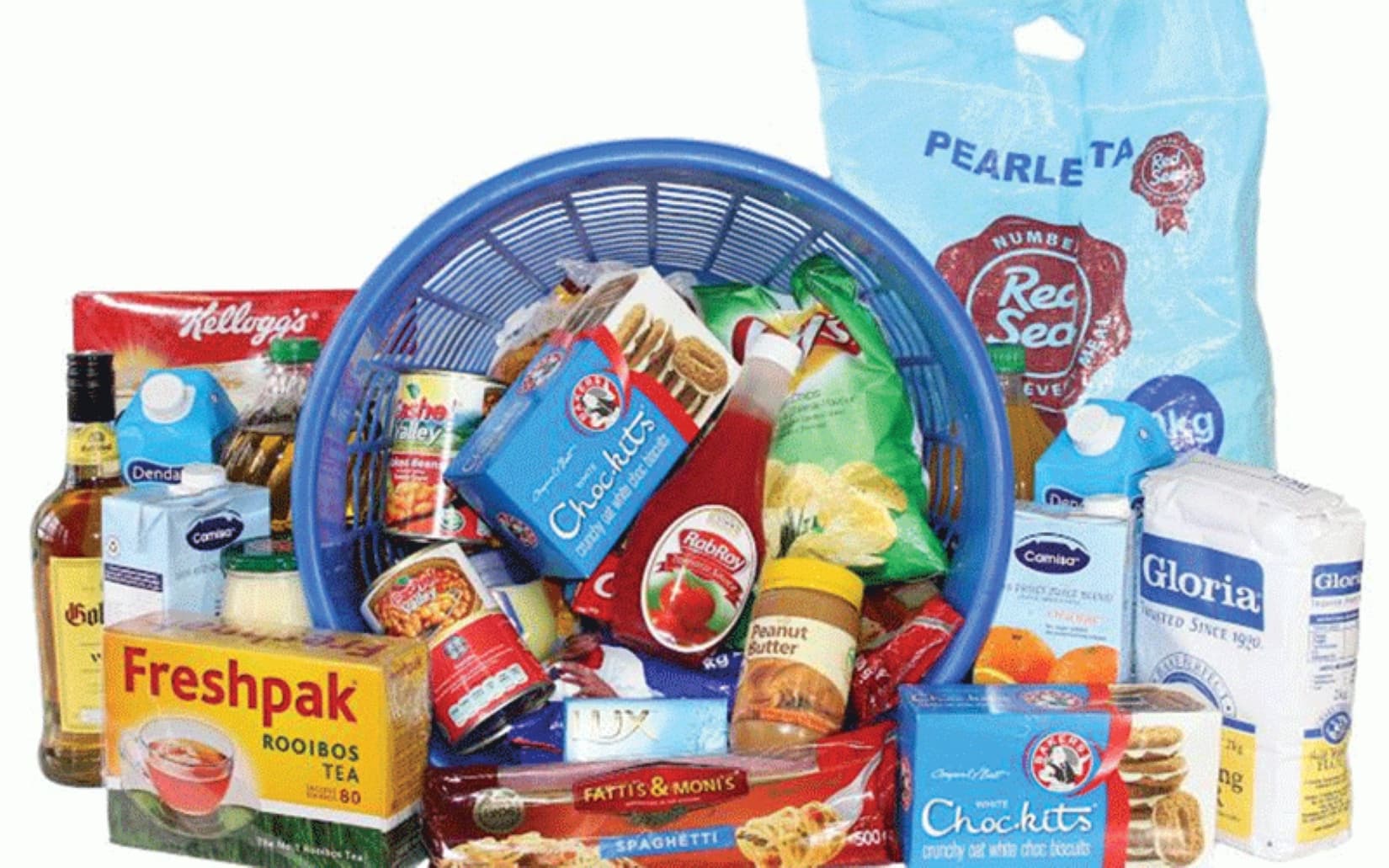
Zimbabwe is sliding into another round of price increases as rising fuel costs ripple through transport, food and production, tightening pressure on households already struggling with limited income growth.
The latest fuel adjustments have pushed diesel to US$2.11 per litre and petrol to US$2.23, reinforcing Zimbabwe’s position among the most expensive fuel markets in the region. That shift is already feeding into transport fares, food pricing and industrial costs.
Fuel is triggering a chain reaction across the economy
Fuel does not move in isolation. It resets cost structures across the entire economy.
The Famine Early Warning Systems Network (Fews Net) says fuel price increases of up to 39% for petrol and 34% for diesel since February have already triggered immediate transport fare hikes of between 50% and 100%. :contentReference[oaicite:0]{index=0}
That adjustment is now feeding directly into food prices. Bread costs have already risen by around 10% in recent weeks, reflecting the combined impact of higher transport and production expenses. :contentReference[oaicite:1]{index=1}
Once fuel rises, every supply chain recalibrates. Farmers pay more to move inputs. Millers pay more to distribute grain. Retailers pass those costs forward. The result is a broad-based price shift, not a single isolated increase.
Government points to global war, but local cost structure is under scrutiny
Authorities attribute the fuel hikes to global energy shocks linked to the United States, Israel and Iran conflict, which has disrupted oil supply chains and pushed up international costs.
That explanation only partially holds.
Analysts are increasingly pointing to domestic pricing structures, particularly free-on-board charges, as a major driver of Zimbabwe’s persistently high fuel prices. :contentReference[oaicite:2]{index=2}
This creates a contradiction. If global prices are the main driver, Zimbabwe should track regional trends. But with only Malawi matching its price levels above US$2 per litre, the gap suggests local cost build-ups are playing a larger role than officially acknowledged.
Inflation is already responding
Zimbabwe National Statistics Agency (ZimStat) data shows headline inflation ticking up by 0.4% between February and March after a period of relative stability. :contentReference[oaicite:3]{index=3}
That shift is small on paper but significant in direction. It signals that the fuel shock is already feeding into broader price dynamics.
Fews Net warns that prices of basic goods and services are likely to continue rising in the coming months, eroding purchasing power and reducing access to food for low-income households. :contentReference[oaicite:4]{index=4}
This is the early stage of a familiar cycle: fuel rises first, inflation follows, and incomes fail to keep pace.
Agriculture faces a second layer of pressure
Beyond immediate food pricing, the fuel shock is now intersecting with agricultural risk.
Fews Net expects fertiliser shortages and further price increases, which could disrupt production in the short term. :contentReference[oaicite:5]{index=5}
That creates a delayed effect. Today’s fuel increase becomes tomorrow’s lower yields or higher farm costs, which then feed back into food prices later in the year.
This is how short-term shocks become sustained inflation cycles.
What happens next
The government has already removed several levies from diesel, including excise duty, carbon tax and strategic reserves charges. But prices remain elevated, suggesting structural costs remain unresolved.
The key question is no longer whether prices will rise. They already are.
The real issue is how long the pressure lasts, and whether Zimbabwe can absorb another cycle of rising costs without triggering deeper strain on households, production and food security.
Right now, the direction is clear. What remains uncertain is how far it goes.
How we reported this
The Granite Post Zimbabwe verifies documents, interviews sources and checks official records before publication. Our editorial standards explain what we require before a story runs.
Read our editorial standardsAbout the author
Rebecca Zimera is Senior Business and Courts Correspondent at The Granite Post. She reports on money and property in Zimbabwe, covering economic policy, household finances, local government spending and the court cases that decide who owns what
View author profileLatest Updates



Business & Economy
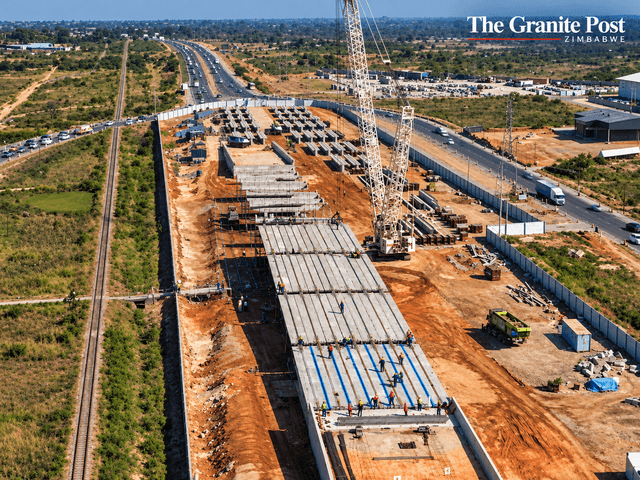
Harare to open COMESA business programme ahead of Thursday summit


Premium
View all Premium →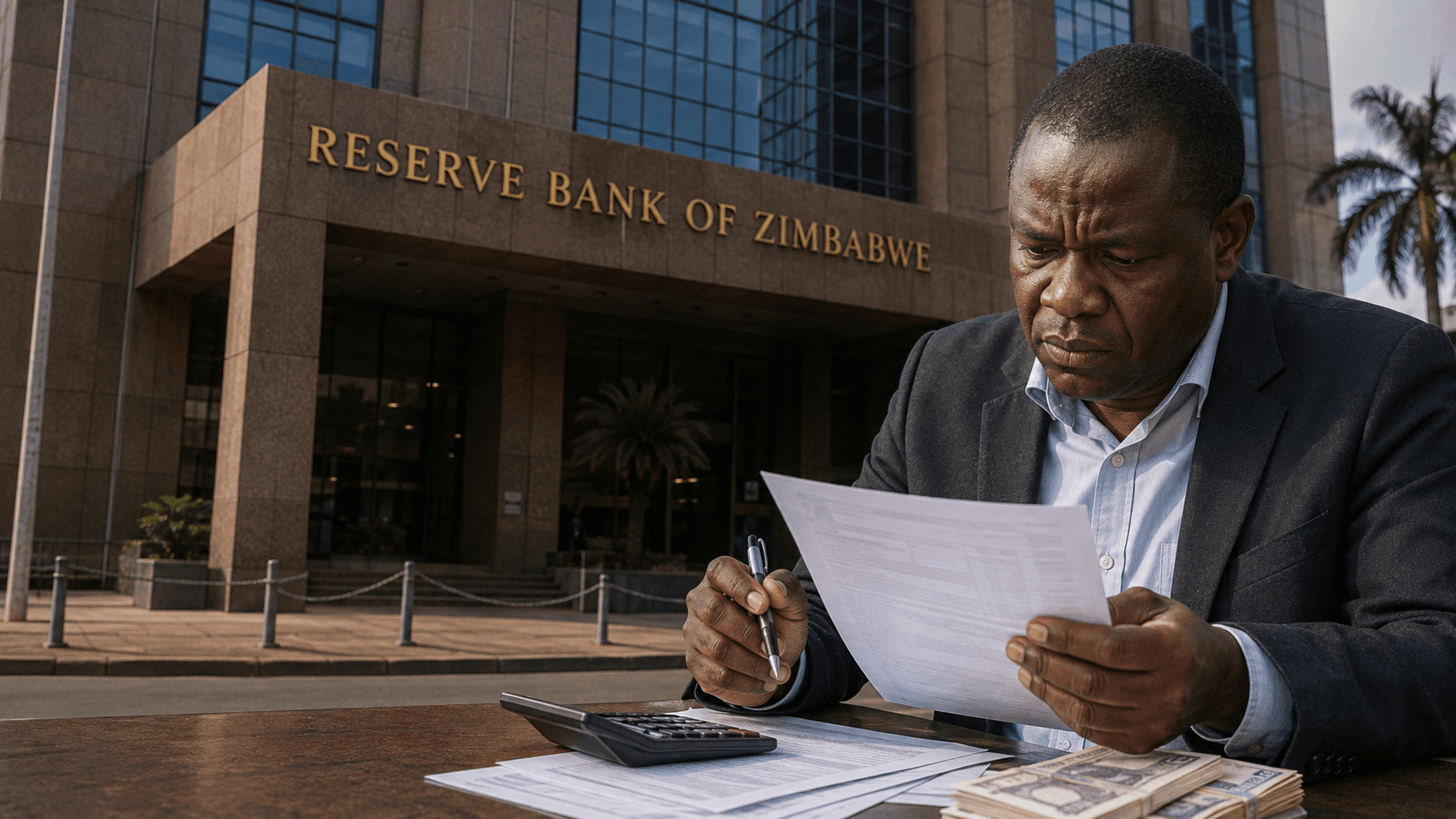
ZiG Inflation Falls to 2.9% but Bank Loans Still Cost Over 40%
Annual ZiG inflation dropped to 2.9% in August, the lowest since independence, 18 April 1980. But the central bank says some banks have not cut lending rates since June, leaving borrowers paying more than 40% while prices barely move.

Support independent journalism
Support our journalismSupport The Granite Post Zimbabwe
Your subscription helps fund investigations, public-interest reporting and deeper Zimbabwe coverage.
More from Rebecca Zimera
View all →

Trending This Week

Zimbabweans Warned Over WhatsApp Account Takeovers: How to Protect Yourself

Econet Revives Technites Platform to Create Jobs for Skilled Zimbabweans

Can Your Employer Fire You Without Notice in Zimbabwe? What the Law Says

49 Illegal Health Facilities Shut Down in Zimbabwe as Authorities Warn Patients

Comments
Join the conversation
Share your view.
No comments yet. Be the first.