Trump pushes Hormuz reopening as blockade keeps oil trapped
 By Rebecca Zimera3 min read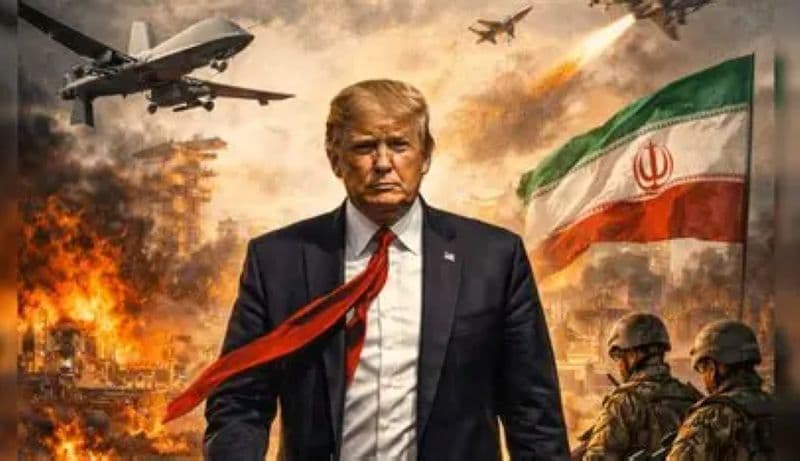
Oil remains trapped in the Gulf despite a ceasefire, with the Strait of Hormuz still effectively choked as Donald Trump insists the waterway will reopen “fairly soon” and warns Iran against turning it into a toll route for global shipping.
That is the contradiction at the centre of the crisis. Washington is talking about reopening one of the world’s most important energy chokepoints, but the shipping data shows the blockade’s grip has barely loosened. For fuel-importing countries such as Zimbabwe, that gap matters more than the rhetoric because prolonged disruption in Hormuz can flow directly into pump prices, freight costs and inflation.
The Strait of Hormuz is a narrow maritime route between the Gulf and the Arabian Sea through which a large share of the world’s seaborne oil and liquefied natural gas moves. Any serious disruption there quickly becomes a global energy story, not just a regional security dispute.
Trump says the strait will reopen, but offers no route to do it
Speaking before talks between United States and Iranian negotiators in Pakistan, Trump said the US would “open up the Gulf” and insisted the waterway would reopen soon with or without Tehran’s help.
He also said Washington would not accept what he described as Iran’s attempt to impose a tollbooth system on ships using the strait. Tehran has indicated it wants vessel owners to pay for safe passage even if a broader deal is reached.
“It won’t be easy. I would say this: We will have that open fairly soon.” Donald Trump, President of the United States
Trump tied any durable settlement to a guarantee that Iran would not possess nuclear weapons. But he did not explain how the US would physically reopen the route while Iran still controls practical passage conditions on the water.
Shipping remains paralysed despite the ceasefire
The ceasefire may have reduced open military confrontation, but it has not restored normal movement through Hormuz.
According to shipping data cited by Al Jazeera, only 22 vessels with active automatic identification systems had exited the strait since the ceasefire began. Before the war, the normal volume was about 135 daily transits.
More than 600 vessels, including 325 tankers, remain stranded in the Gulf. That backlog shows the real situation has not caught up with the diplomatic language.
Iran remains the gatekeeper of the “safe corridor”
Analysts say the practical power in Hormuz is still sitting with Tehran.
Matt Smith, lead oil analyst at Kpler, told Al Jazeera the situation is “fundamentally unchanged” from before the ceasefire. He said Iran is effectively deciding which vessels move, which means the blockade has not ended in any meaningful commercial sense.
Smith said there is now a new “safe corridor” for vessels leaving the strait, but it is one governed by Iran. That matters because it turns a global shipping route into a controlled passage shaped by one side of the conflict, even after formal hostilities have paused.
The economic risk reaches far beyond the Gulf
For global markets, the danger is no longer just war. It is prolonged disruption.
If tankers cannot move normally through Hormuz, oil supply chains tighten, insurance costs rise and fuel prices stay under pressure. That can ripple quickly into countries with no direct role in the conflict. Zimbabwe is one of them.
Higher oil costs tend to hit Zimbabwe through imported fuel, transport charges and the wider price of moving goods across the economy.
Pakistan talks now carry more weight than the ceasefire itself
US Vice President JD Vance has arrived in Pakistan for talks with Iranian negotiators aimed at securing a more permanent end to the war.
But Washington and Tehran are already sending conflicting messages about the terms of those negotiations, including the details of Iran’s proposed peace framework. That leaves the current ceasefire looking more like a pause than a settlement.
What matters now is not whether leaders say Hormuz will reopen, but whether ships start moving at pre-war levels without Iranian permission, because until that happens the world’s most important oil chokepoint is still effectively under blockade.
How we reported this
The Granite Post Zimbabwe verifies documents, interviews sources and checks official records before publication. Our editorial standards explain what we require before a story runs.
Read our editorial standardsAbout the author
Rebecca Zimera is Senior Business and Courts Correspondent at The Granite Post. She reports on money and property in Zimbabwe, covering economic policy, household finances, local government spending and the court cases that decide who owns what
View author profileLatest Updates


Business & Economy
Harare to open COMESA business programme ahead of Thursday summit
Related Articles

Premium
View all Premium →
ZiG Inflation Falls to 2.9% but Bank Loans Still Cost Over 40%
Annual ZiG inflation dropped to 2.9% in August, the lowest since independence, 18 April 1980. But the central bank says some banks have not cut lending rates since June, leaving borrowers paying more than 40% while prices barely move.
Support independent journalism
Support our journalismSupport The Granite Post Zimbabwe
Your subscription helps fund investigations, public-interest reporting and deeper Zimbabwe coverage.
More from Rebecca Zimera
View all →
Trending This Week

Zimbabweans Warned Over WhatsApp Account Takeovers: How to Protect Yourself

Can Your Employer Fire You Without Notice in Zimbabwe? What the Law Says

49 Illegal Health Facilities Shut Down in Zimbabwe as Authorities Warn Patients
Mnangagwa Approves Recall of Three Chiefs From Senate
Comments
Join the conversation
Share your view.
No comments yet. Be the first.