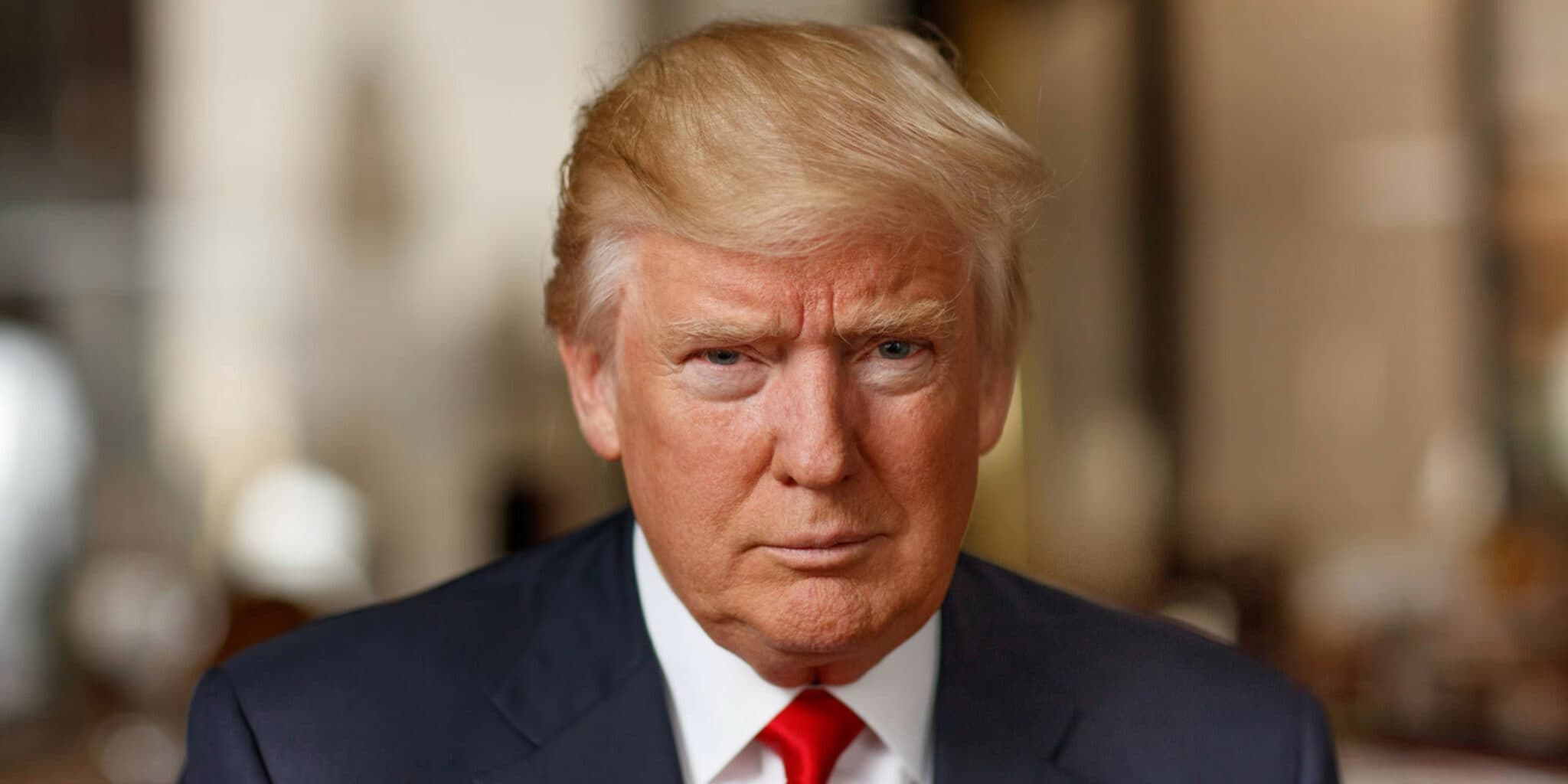
US President Donald Trump said American forces destroyed 10 Iranian mine-laying vessels as the conflict involving the United States, Israel and Iran intensified, raising fresh concerns over the security of the Strait of Hormuz and global oil supplies.
The latest escalation came as Iran’s ambassador to the United Nations said more than 1,300 people have been killed since the conflict began on February 28, while shipping companies continued seeking safer routes through one of the world’s most important energy chokepoints.
Trump said the United States would not allow Iran to threaten global oil flows, warning of severe consequences if Tehran moved to mine the Strait of Hormuz. Reuters reported that US strikes targeted Iranian mine-laying vessels, while the Pentagon described March 10 as one of the most intense days of the campaign so far.
Strait of Hormuz at Center of Iran Conflict
The Strait of Hormuz remains central to the crisis because it handles roughly 20% of global oil supply, making any disruption there a major threat to energy markets and shipping. Reuters reported that industry requests for US Navy escorts have so far been refused because the risk of attack remains too high.
That uncertainty has added pressure to world markets and increased fears of wider regional instability.
Iran Says Talks With US Are Off the Table
Iranian Foreign Minister Abbas Araghchi said talks with the United States were no longer on the agenda, according to live updates carried by News18.
At the same time, Iran accused the United States of spreading misinformation about activity in the Strait of Hormuz, while Iranian officials insisted the country was not seeking a ceasefire under current conditions.
Saudi Arabia Intercepts Drones Near Oil Infrastructure
The regional fallout widened after Saudi Arabia said its air defenses intercepted drones heading toward the Shaybah oil field, underlining how the conflict is increasingly threatening strategic energy assets beyond Iran and Israel. Multiple news reports cited the Saudi defence ministry as saying the drones were destroyed before reaching their target.
The developments have reinforced fears that the war could spill deeper into Gulf energy infrastructure.
Oil and Shipping Markets Remain on Edge
Oil prices have swung sharply as traders respond to the risk of prolonged disruption in Hormuz. Reuters reported that concerns about shipping through the waterway have intensified because even limited attacks or mining activity could disrupt a significant share of the world’s seaborne crude exports.
The conflict is now being watched not only as a military crisis but as a major economic risk with global implications.
Pressure Builds on Washington and Tehran
Reuters also reported that some advisers around Trump have been urging him to articulate an exit strategy, even as US military operations continue. At the same time, Iran’s new leadership has remained defiant, while regional allies and rivals are recalculating their positions.
The coming days are likely to determine whether the conflict moves toward de-escalation or widens into a longer confrontation across the Gulf.