
Bulawayo budget proposes higher water and refuse charges for 2027
In short
- The proposed high-density refuse charge would rise from US$7 to US$15.70 a month.
- The 2027 figures are proposals; individual household bills would not all rise by the same percentage.
Bulawayo households could face higher water and refuse bills under the city's proposed 2027 budget, with consultation figures pointing to a substantial increase in the cost of municipal services.
The proposals include raising monthly refuse charges in high-density suburbs from US$7 to US$15.70. The corresponding low-density charge would rise from US$10 to US$22.43.
For the first five kilolitres of water, the proposed charge is US$2.27 per kilolitre, compared with US$0.70 in the figures presented. The budget remains a proposal, and these amounts should not be read as tariffs already in force.
The overall increase has been presented as 74 percent, but individual charges and household bills would change by different amounts. Applying that percentage indiscriminately to every item on a bill would give a misleading result.
The consultation concerns both household affordability and the money available for water, refuse collection and other municipal services.
What the proposal would mean
For a high-density household, the refuse proposal alone represents an additional US$8.70 a month, calculated from the two quoted charges. That excludes water, sewerage and other items.
The final effect would depend on the approved tariff schedule, the property's classification and its consumption. The distinction matters for residents comparing a headline percentage with their own accounts.
The city is consulting residents as it prepares the next budget. The questions extend beyond the size of an increase to the services it would finance and whether households could keep up with payments.
Participation has been a concern before
During consultations for the previous budget cycle, council figures recorded 1,541 participants across 47 venues between 26 September and 4 October 2025. Those were meetings about the proposed 2026 budget, not the current exercise.
At the time, Finance Committee chairperson Councillor Dumisani Nkomo identified deteriorating water, sewerage and road infrastructure among the city's concerns. Residents' priorities included health, public lighting and emergency services as well as water and roads.
That earlier discussion illustrates the competing demands behind a municipal budget: affordable bills and functioning services both depend on the decisions taken before charges are finalised.
For the 2027 proposal, residents should distinguish recurring monthly charges from any separately proposed levy and ask how each would be applied. A total household illustration is useful only when its assumptions are clear.
The next test is the final approved schedule. Until that is available, the proposed figures describe what is being considered, not what residents must already pay.
How we reported this
The Granite Post Zimbabwe verifies documents, interviews sources and checks official records before publication. Our editorial standards explain what we require before a story runs.
Read our editorial standardsAbout the author
News and practical explainers on the developments shaping everyday life in Zimbabwe, from connectivity and business to public services and opportunities.
View author profileLatest Updates

Business & Economy
Harare to open COMESA business programme ahead of Thursday summit

Related Articles


Premium
View all Premium →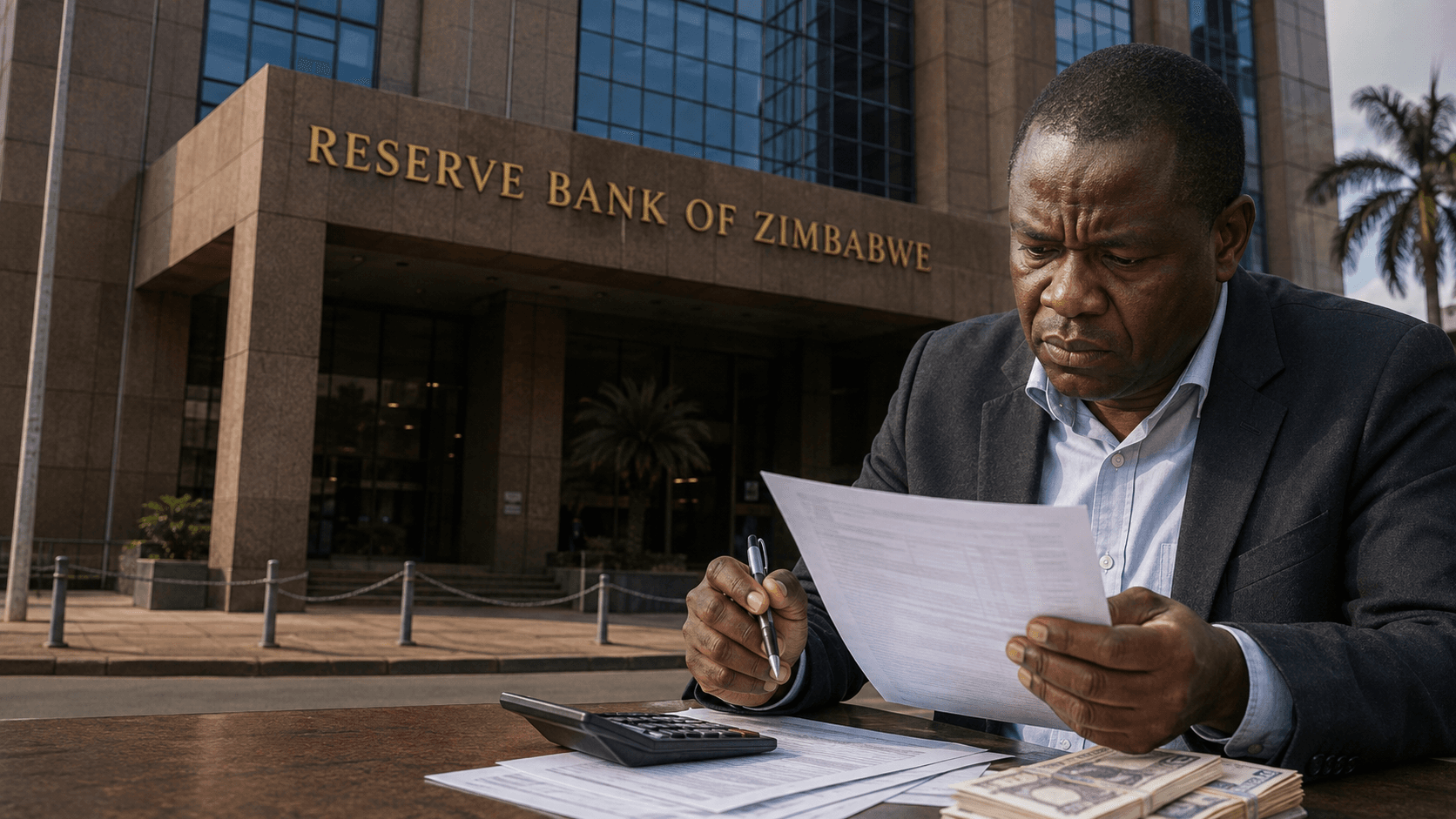
ZiG Inflation Falls to 2.9% but Bank Loans Still Cost Over 40%
Annual ZiG inflation dropped to 2.9% in August, the lowest since independence, 18 April 1980. But the central bank says some banks have not cut lending rates since June, leaving borrowers paying more than 40% while prices barely move.


Support independent journalism
Support our journalismSupport The Granite Post Zimbabwe
Your subscription helps fund investigations, public-interest reporting and deeper Zimbabwe coverage.



Comments
Join the conversation
Share your view.
No comments yet. Be the first.