
Can Zimbabwe’s ZiG earn public trust and challenge the US dollar?
In short
- Reserve backing supports the case for ZiG, but policy discipline and practical usefulness are essential to confidence.
- Wider use in payments is different from people voluntarily keeping their savings in the currency.
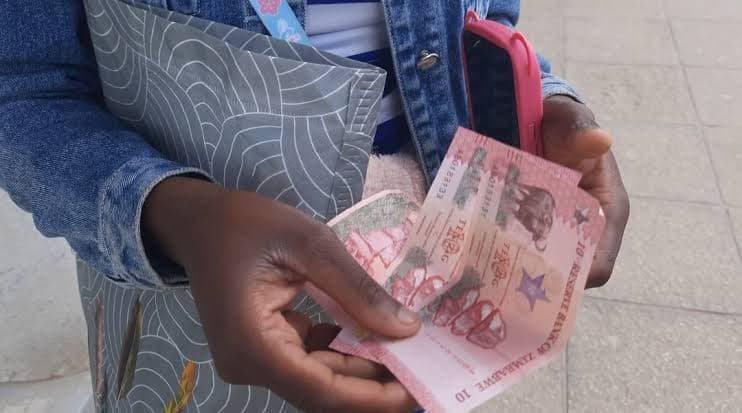
Zimbabwe’s ZiG can challenge the US dollar only if people see a reason to keep it after payday. That means preserving purchasing power, making payments straightforward and giving households confidence that today’s rules will still apply tomorrow.
The Reserve Bank of Zimbabwe introduced the currency in April 2024. In its public education material, the bank says ZiG is anchored by foreign currency and precious metal reserves, mainly gold.
That backing is part of the case for confidence. It cannot settle the question on its own. A currency also needs to work for the people earning, spending and saving it.
The distinction matters for Zimbabwe’s ambition to reduce dollar dependence. Expanding the number of payments made in ZiG would show wider use. Persuading people to hold their savings in it would demonstrate something deeper.
Households and businesses need a currency that lets them plan expenses and preserve earnings. Those choices will help determine whether ZiG can reduce reliance on the dollar.
Why confidence remains the harder test
The ZiG’s own history shows why a period of calm needs time to become a record people can rely on.
In its February 2025 assessment, International Monetary Fund staff said the exchange rate had initially remained stable after the currency’s introduction, before weakening in September 2024. Relative stability returned after monetary policy was tightened.
That sequence underlines the importance of policy discipline. Reserve backing cannot substitute for decisions that keep the supply of money consistent with a stable currency.
In April 2026, the IMF approved a non-financing programme intended to consolidate Zimbabwe’s stabilisation gains. Its stated priorities included strengthening confidence in ZiG, improving the foreign exchange market and rebuilding reserves.
Those are institutional commitments. For a household, their value will ultimately be measured by what an income can buy and how reliably a budget can be maintained.
A currency must be useful beyond payday
Consider a family receiving part of its income in ZiG while facing some expenses in dollars. Seeking dollars to meet those obligations is a practical response to its bills.
If conversion carries a cost or introduces uncertainty, the family bears that burden. Appeals for confidence do not remove it.
The same calculation applies to a trader. Accepting local currency becomes easier when the proceeds can replenish stock and meet supplier payments without an unexpected loss.
The RBZ’s 2026 currency education material itself addresses questions about paying for fuel and passport applications in ZiG. Its answer links wider use for critical imports to stronger reserve cover. That explanation shows why the debate involves access to foreign currency as well as confidence in domestic money.
Can the dollar’s role shrink?
It can, but a durable transition should rest on conditions people can recognise in their everyday transactions.
Predictable public payment rules, reliable banking services and transparent conversion arrangements would make ZiG more useful. Consistent monetary and budget decisions would help make holding it less risky.
The US dollar does not need to disappear for the local currency to demonstrate progress. A meaningful early test would be whether people voluntarily keep more ZiG for future expenses and whether businesses can plan in it with greater certainty.
Zimbabwe should judge currency reform by those choices alongside monetary indicators. A rising transaction count alone cannot establish that confidence has returned.
The answer to whether ZiG can earn trust is therefore conditional. It must offer households and businesses a dependable way to carry value from today into tomorrow. If it does, the argument for using it more widely will become much stronger.
How we reported this
The Granite Post Zimbabwe verifies documents, interviews sources and checks official records before publication. Our editorial standards explain what we require before a story runs.
Read our editorial standardsAbout the author
News and practical explainers on the developments shaping everyday life in Zimbabwe, from connectivity and business to public services and opportunities.
View author profileLatest Updates



Business & Economy
Harare to open COMESA business programme ahead of Thursday summit
Related Articles




Premium
View all Premium →
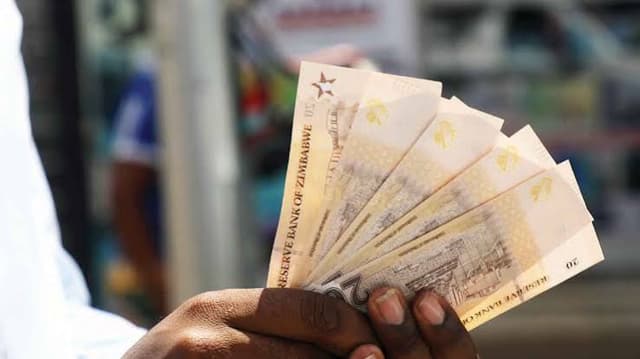
ZiG Inflation Falls to 2.9% but Bank Loans Still Cost Over 40%
Annual ZiG inflation dropped to 2.9% in August, the lowest since independence, 18 April 1980. But the central bank says some banks have not cut lending rates since June, leaving borrowers paying more than 40% while prices barely move.


Support independent journalism
Support our journalismSupport The Granite Post Zimbabwe
Your subscription helps fund investigations, public-interest reporting and deeper Zimbabwe coverage.
Trending This Week

Zimbabweans Warned Over WhatsApp Account Takeovers: How to Protect Yourself

Can Your Employer Fire You Without Notice in Zimbabwe? What the Law Says

49 Illegal Health Facilities Shut Down in Zimbabwe as Authorities Warn Patients

Mnangagwa Approves Recall of Three Chiefs From Senate
Comments
Join the conversation
Share your view.
No comments yet. Be the first.