
Chitungwiza Tenant Faces Murder Charge After Landlord Dies Following Rent Dispute
 By Rebecca Zimera3 min read

A 30-year-old Chitungwiza woman is facing a murder charge following the death of her landlord, who was allegedly struck with a metal chain during a dispute over unpaid rent earlier this month.
Beauty Mbeve is accused of attacking Maxwell Mhangarai, 50, at a residential property in Unit E, Seke, on the night of 1 October 2026.
According to reports published by Zimbo Live News and My Zimbabwe News, the confrontation occurred at approximately 11pm after Mhangarai approached his tenant to ask about outstanding rental payments.
Prosecutors allege that an argument followed and Mbeve struck Mhangarai twice on the head with a metal chain.
Mhangarai survived the initial incident but subsequently died from his injuries, prompting prosecutors to reportedly change the charge against Mbeve from assault to murder.
The case raises questions about the circumstances of a fatal rental dispute and the evidence prosecutors must establish before a murder conviction can follow.
The amount of rent allegedly owed, the circumstances immediately preceding the confrontation and the date of Mhangarai's death have not been established in the published accounts.
Murder charge and court proceedings
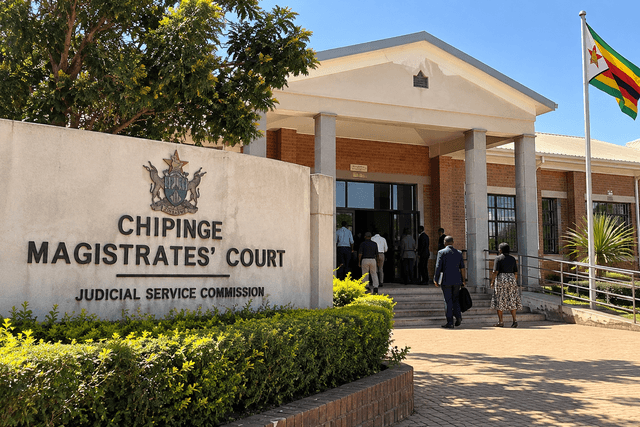
The case is reportedly being handled under court references CRB 2403/26 and PPS 5536/26, with the murder allegation brought under Section 47 of Zimbabwe's Criminal Law (Codification and Reform) Act.
Mbeve was reported to remain in custody as proceedings continued. However, details of her latest court appearance, any bail application and the next hearing date were not available in the reports examined by The Granite Post.
Section 47 provides that murder may be established where a person causes another's death intending to kill, or continues conduct despite recognising a real risk that death could result.
A fatal injury alone does not automatically establish murder. Prosecutors must prove the necessary legal elements, including the accused person's state of mind, to the required criminal standard.
In this case, the reported use of a metal chain, the nature of the injuries and the circumstances surrounding the confrontation may become relevant to the prosecution's evidence.
However, the available reports do not establish what evidence has been presented in court or whether the accused has entered a plea.
The allegations have not been tested through a completed trial, and Mbeve is presumed innocent unless convicted.
Questions surrounding the fatal confrontation
Several important details remain unclear, including whether anyone witnessed the alleged assault, how soon Mhangarai received medical treatment and what medical findings have been recorded concerning his death.
The published accounts also do not establish whether the landlord and tenant had previously disagreed over rent or whether any attempt had been made to resolve the alleged arrears.
These questions matter because the court must consider evidence rather than assumptions about how the confrontation began or why it escalated.
The case comes amid renewed warnings from Zimbabwean police against the use of violence to settle personal disagreements.
In remarks reported on 14 October, national police spokesperson Commissioner Paul Nyathi urged members of the public to resolve disputes peacefully and avoid taking the law into their own hands.
His remarks concerned violent disputes generally and were not presented as a response to the Chitungwiza case.
For landlords and tenants, disagreements over rent can be pursued through negotiation and lawful dispute-resolution procedures. Unpaid rent does not justify violence, regardless of which party is involved.
The criminal proceedings will ultimately determine whether the prosecution can establish responsibility for Mhangarai's death and prove the murder allegation.
The Granite Post has not independently obtained the court documents, medical findings or a response from Mbeve's legal representatives. Further developments will depend on verified information from the proceedings.
How we reported this
The Granite Post Zimbabwe verifies documents, interviews sources and checks official records before publication. Our editorial standards explain what we require before a story runs.
Read our editorial standardsAbout the author
Rebecca Zimera is Senior Business and Courts Correspondent at The Granite Post. She reports on money and property in Zimbabwe, covering economic policy, household finances, local government spending and the court cases that decide who owns what
View author profileLatest Updates



Business & Economy
Harare to open COMESA business programme ahead of Thursday summit
Related Articles




Premium
View all Premium →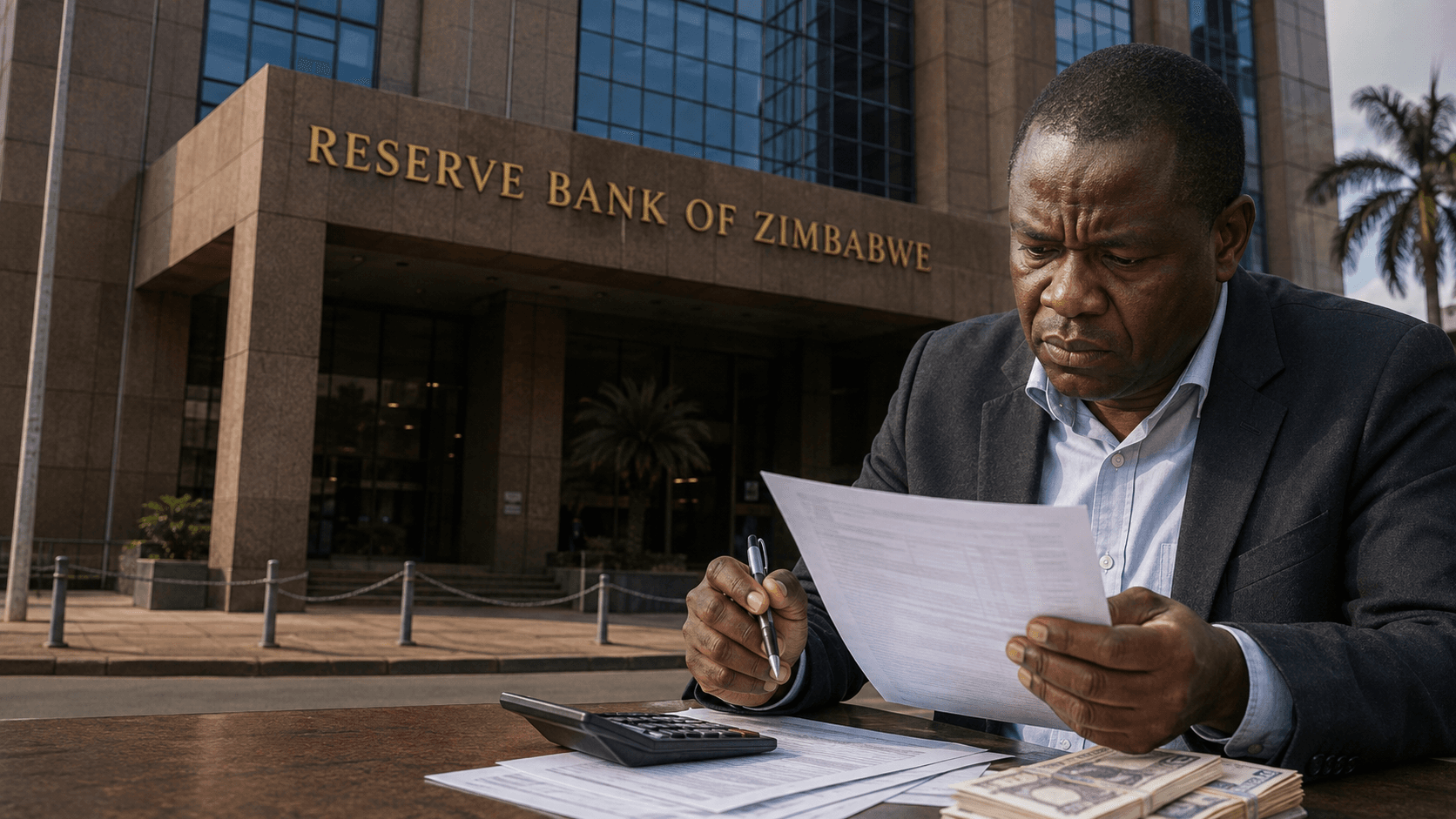
ZiG Inflation Falls to 2.9% but Bank Loans Still Cost Over 40%
Annual ZiG inflation dropped to 2.9% in August, the lowest since independence, 18 April 1980. But the central bank says some banks have not cut lending rates since June, leaving borrowers paying more than 40% while prices barely move.


Support independent journalism
Support our journalismSupport The Granite Post Zimbabwe
Your subscription helps fund investigations, public-interest reporting and deeper Zimbabwe coverage.




Comments
Join the conversation
Share your view.
No comments yet. Be the first.