
Mabvuku Interchange Passes 80% Completion as Opening Shifts to Year-End
 By Rebecca Zimera3 min read
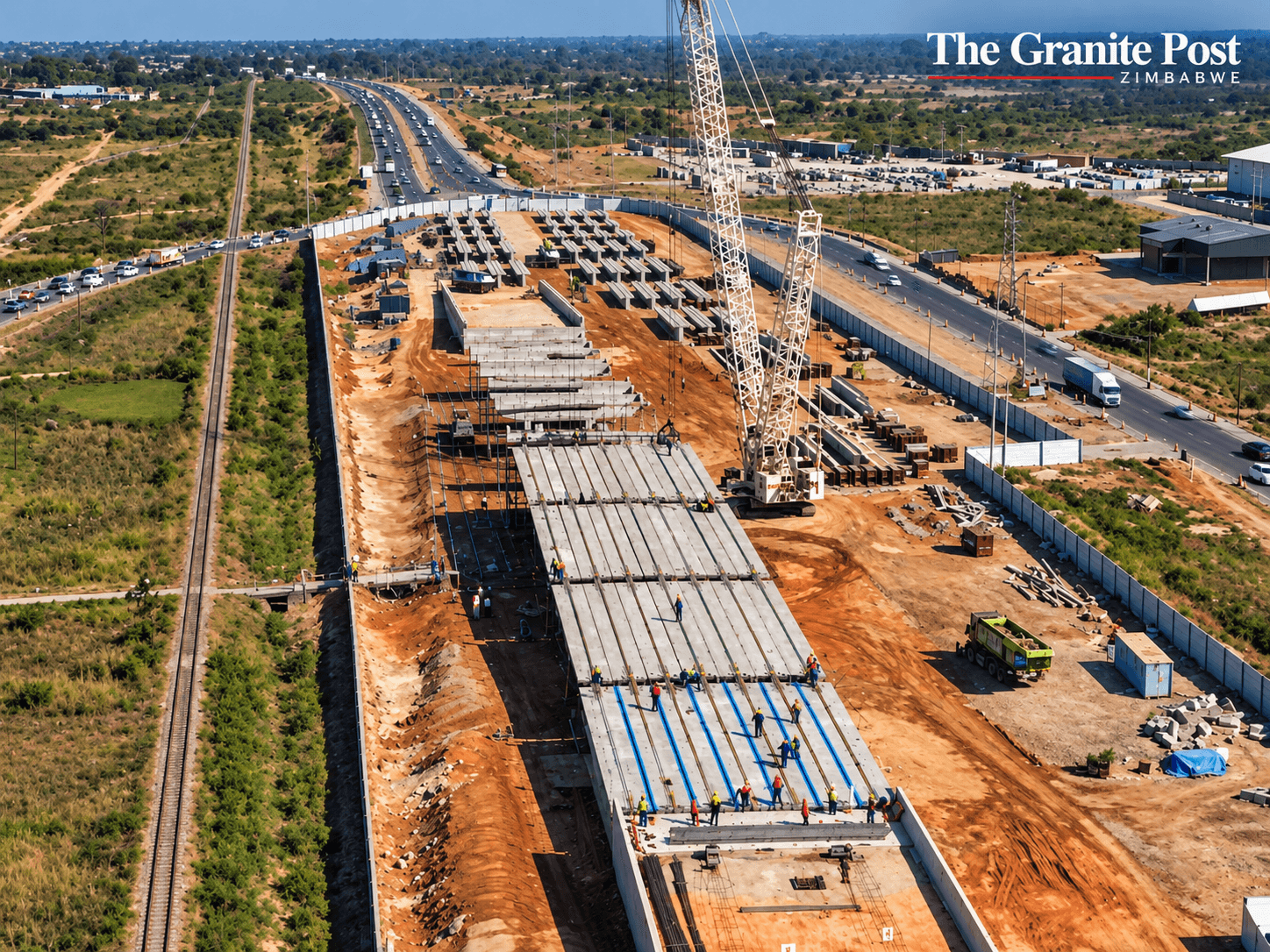
HARARE - Construction of the Mabvuku Interchange has passed 80 percent, with the Government now expecting the major road project along the Harare-Mutare Highway to open to traffic before the end of 2026.
The latest assessment places the interchange closer to completion after months of construction that have affected one of Harare's busiest eastern approaches.
Engineer Virginia Mawere, deputy director of construction in the Ministry of Transport and Infrastructural Development, confirmed that the bridge deck has been installed and is being allowed to gain strength before surfacing begins.
The remaining work includes surfacing sections of the bridge and slip lane, according to the ministry official.
The progress was reported by ZBC on October 6 and again by The Herald on October 13. Both accounts placed overall completion above 80 percent.
The interchange is expected to ease congestion for motorists travelling between Harare, Mabvuku, Tafara and Ruwa, while improving movement along the Harare-Mutare Highway.
September Deadline Gives Way to Year-End Target
Construction began in September 2025, with the interchange intended to improve traffic movement where the Harare-Mutare Highway serves Mabvuku, Tafara, Ruwa and surrounding communities.
The project has not met an earlier completion timetable.
In April, the Government indicated that construction was expected to finish by September 2026. That deadline has passed, and the latest reports now point to completion and opening by year-end.
No revised opening date has been announced.
The change matters to motorists who have had to navigate construction activity and temporary traffic arrangements while waiting for the new road connections.
Progress has nevertheless accelerated in recent months.
ZBC reported that the project stood at 54 percent completion in August. Since then, the main beams have been installed and the bridge deck completed.
The increase to more than 80 percent represents substantial progress, although it does not establish how long the remaining work will take.
A Busy Route Into Harare
The interchange is being built along the Harare-Mutare Highway, a major route carrying commuters, public transport and commercial vehicles.
The road also forms part of the Beira Corridor, linking Zimbabwe's capital with eastern transport routes towards Mozambique.
Traffic from Mabvuku, Tafara and Ruwa adds to pressure on the highway, particularly during morning and evening commuting periods.
The Government expects the completed interchange to reduce congestion, improve traffic movement and make the junction safer.
Those benefits remain projections until the road opens and its performance can be assessed.
The project is part of a wider programme of road upgrades around Harare, including work on another interchange near the Harare Drive and Mutare Road junction in the Msasa area.
What Remains Before Motorists Can Use It
The completion of the bridge deck is a significant construction milestone, but the interchange is not yet ready for traffic.
Surfacing and other outstanding works must be completed before the structure can operate as intended.
The ministry has not publicly provided a detailed timetable for each remaining stage in the latest progress reports.
For motorists, the immediate question is whether the contractor can finish those works and meet the revised December target.
The interchange is expected to improve movement along a road used daily by residents and businesses across Harare's eastern suburbs.
For now, the confirmed development is that construction has passed 80 percent. The promised relief from congestion will depend on the project being completed, opened and functioning as planned.
How we reported this
The Granite Post Zimbabwe verifies documents, interviews sources and checks official records before publication. Our editorial standards explain what we require before a story runs.
Read our editorial standardsAbout the author
Rebecca Zimera is Senior Business and Courts Correspondent at The Granite Post. She reports on money and property in Zimbabwe, covering economic policy, household finances, local government spending and the court cases that decide who owns what
View author profileLatest Updates


Business & Economy
Harare to open COMESA business programme ahead of Thursday summitRelated Articles



Premium
View all Premium →
ZiG Inflation Falls to 2.9% but Bank Loans Still Cost Over 40%
Annual ZiG inflation dropped to 2.9% in August, the lowest since independence, 18 April 1980. But the central bank says some banks have not cut lending rates since June, leaving borrowers paying more than 40% while prices barely move.

Support independent journalism
Support our journalismSupport The Granite Post Zimbabwe
Your subscription helps fund investigations, public-interest reporting and deeper Zimbabwe coverage.
More from Rebecca Zimera
View all →
Trending This Week

Zimbabweans Warned Over WhatsApp Account Takeovers: How to Protect Yourself

Econet Revives Technites Platform to Create Jobs for Skilled Zimbabweans

Can Your Employer Fire You Without Notice in Zimbabwe? What the Law Says
49 Illegal Health Facilities Shut Down in Zimbabwe as Authorities Warn Patients

Comments
Join the conversation
Share your view.
No comments yet. Be the first.