
Police Disperse Grade 7 Pupils at Bulawayo Drinking Spots After Exams
 By Rebecca Zimera4 min read
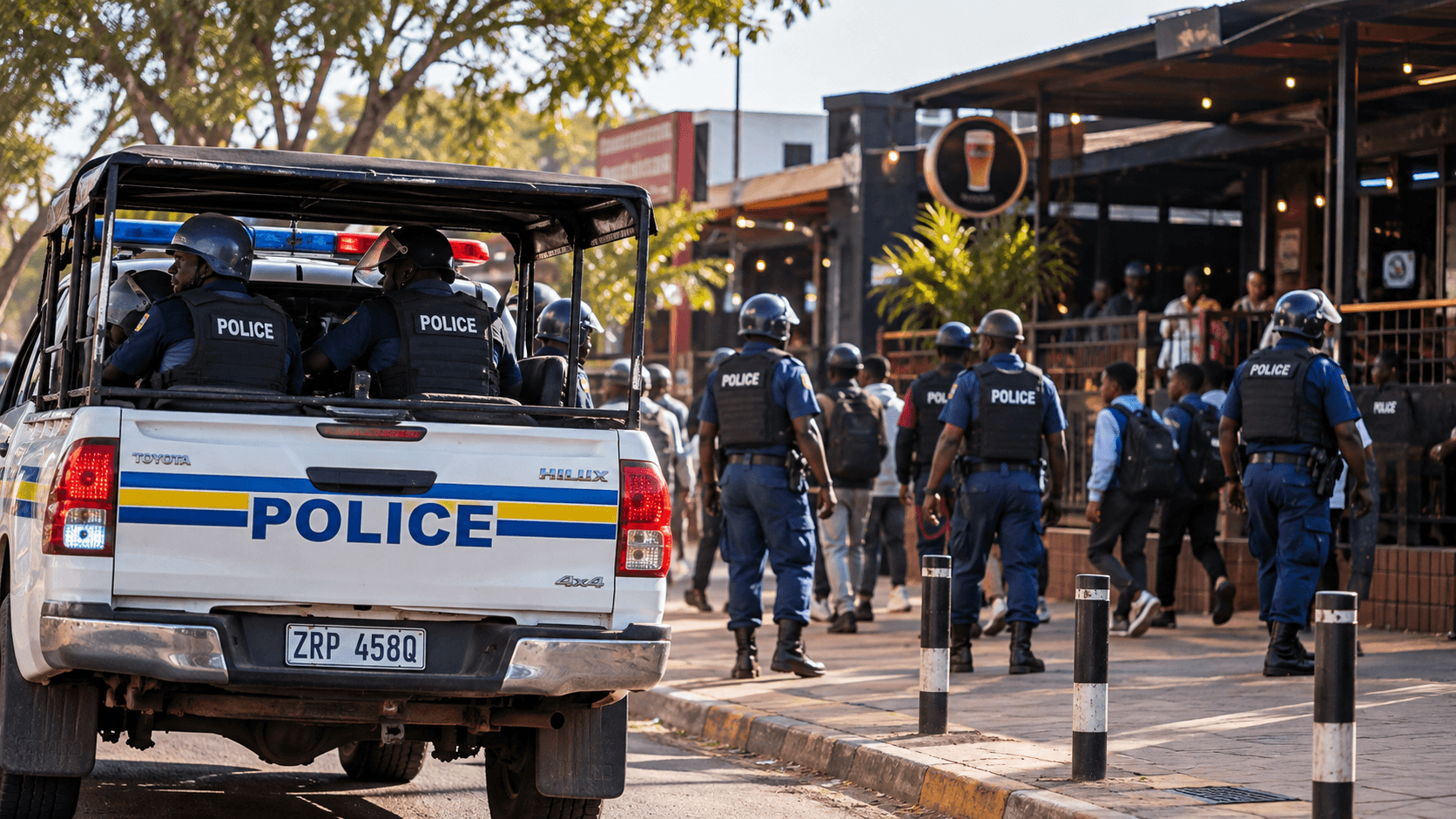
Police in Bulawayo rounded up and dispersed groups of Grade Seven pupils found drinking alcohol and smoking at entertainment venues after completing their national examinations, raising fresh concerns about underage drinking and the supervision of children during school holidays.
The pupils, reportedly aged between 12 and 13, had gathered at several locations for celebrations commonly described as “pens down parties”, marking the end of their primary school examinations.
Police intervened on Friday and Saturday, 9 and 10 October, after receiving information from members of the public who had spotted children drinking and smoking in places frequented by adults.
Bulawayo provincial police spokesperson Inspector Nomalanga Msebele confirmed the operations, expressing concern that young children were consuming alcohol in public while adults were present.
The incidents occurred days after 413,792 candidates completed the 2026 Zimbabwe School Examinations Council Grade Seven examinations, bringing an important stage of their education to an end.
The incidents raise child-safety concerns and questions about parental supervision, alcohol sales to minors and the responsibility of authorities to protect children without unnecessarily criminalising them.
Police Question Adults Who Allowed Children to Drink
Inspector Msebele criticised adults who witnessed the gatherings without intervening, arguing that protecting children from alcohol and other harmful activities should be a responsibility shared by families and communities.
Speaking at Barbourfields Stadium during Sunday's Highlanders and Dynamos exhibition match, she said police had acted on reports from concerned residents and removed the pupils from the venues.
The police spokesperson also warned that authorities would pursue establishments selling alcohol to minors.
Her remarks shifted attention beyond the behaviour of the pupils themselves to the responsibilities of business operators, parents and other adults who may have been aware of the gatherings.
The police account indicates that the children were dispersed, but it does not establish that all the pupils were formally arrested or charged. No confirmed number of arrests arising from these particular operations was provided.
The distinction is important because the children involved are minors whose safety and welfare must remain central to any official response.
A Growing Concern Over Unsupervised Youth Gatherings
The latest incidents have renewed attention on Bulawayo's longstanding problems with unsupervised gatherings involving schoolchildren.
Such events are sometimes associated with the city's so-called Vuzu party culture, which police have previously linked to underage drinking, substance abuse and other unsafe activities.
In August, Bulawayo police warned learners against attending these gatherings during school holidays, while authorities raised concerns that some organisers had begun using commuter omnibuses as mobile party venues.
A separate police operation in September also uncovered nine schoolchildren at a suspected drinking party in the Bellevue suburb.
The latest Grade Seven incidents involve considerably younger pupils, some barely entering their teenage years.
Their ages raise particular concerns about exposure to alcohol, the influence of older participants and the ability of children to recognise potentially dangerous situations.
The gatherings also highlight the challenges families face when pupils complete major examinations and suddenly have more unsupervised time.
For many children, finishing Grade Seven is an important milestone worthy of celebration. The concern arises when those celebrations take place in environments where alcohol is available and responsible adult supervision is absent.
Parents, Businesses and Police Face Questions
The Bulawayo incidents raise questions about how parents, schools, entertainment businesses and law enforcement authorities can work together to prevent children from being exposed to harmful environments.
Parents and guardians have a role in knowing where their children are spending time, particularly during the period immediately following examinations.
Businesses serving alcohol also have responsibilities to prevent sales to underage customers and to ensure their premises do not become unsafe gathering places for children.
Police, meanwhile, face the task of intervening when children are at risk while ensuring that their response remains appropriate to the ages and circumstances of those involved.
The public reporting reviewed does not establish whether any of the pupils suffered injuries during the operations or whether formal action has been taken against the venues concerned.
Nor does it provide sufficient evidence to determine how widely such gatherings are occurring among Grade Seven pupils across Zimbabwe.
What is clear is that the latest intervention has brought an existing child-protection concern into sharper focus.
Inspector Msebele has urged parents and guardians to monitor children's activities and warned against sending minors to purchase alcohol on behalf of adults.
As the school holiday period approaches, the incident offers a reminder that completing examinations should be an occasion for celebration without exposing children to avoidable risks.
The challenge for families, businesses and authorities is to ensure that young people can enjoy that milestone in environments where their safety comes first.
How we reported this
The Granite Post Zimbabwe verifies documents, interviews sources and checks official records before publication. Our editorial standards explain what we require before a story runs.
Read our editorial standardsAbout the author
Rebecca Zimera is Senior Business and Courts Correspondent at The Granite Post. She reports on money and property in Zimbabwe, covering economic policy, household finances, local government spending and the court cases that decide who owns what
View author profileLatest Updates

Business & Economy
Harare to open COMESA business programme ahead of Thursday summit
Related Articles


Premium
View all Premium →
ZiG Inflation Falls to 2.9% but Bank Loans Still Cost Over 40%
Annual ZiG inflation dropped to 2.9% in August, the lowest since independence, 18 April 1980. But the central bank says some banks have not cut lending rates since June, leaving borrowers paying more than 40% while prices barely move.


Support independent journalism
Support our journalismSupport The Granite Post Zimbabwe
Your subscription helps fund investigations, public-interest reporting and deeper Zimbabwe coverage.




Comments
Join the conversation
Share your view.
No comments yet. Be the first.