
Why Bulawayo’s water cuts continue despite better dam levels
 By Rebecca Zimera2 min read
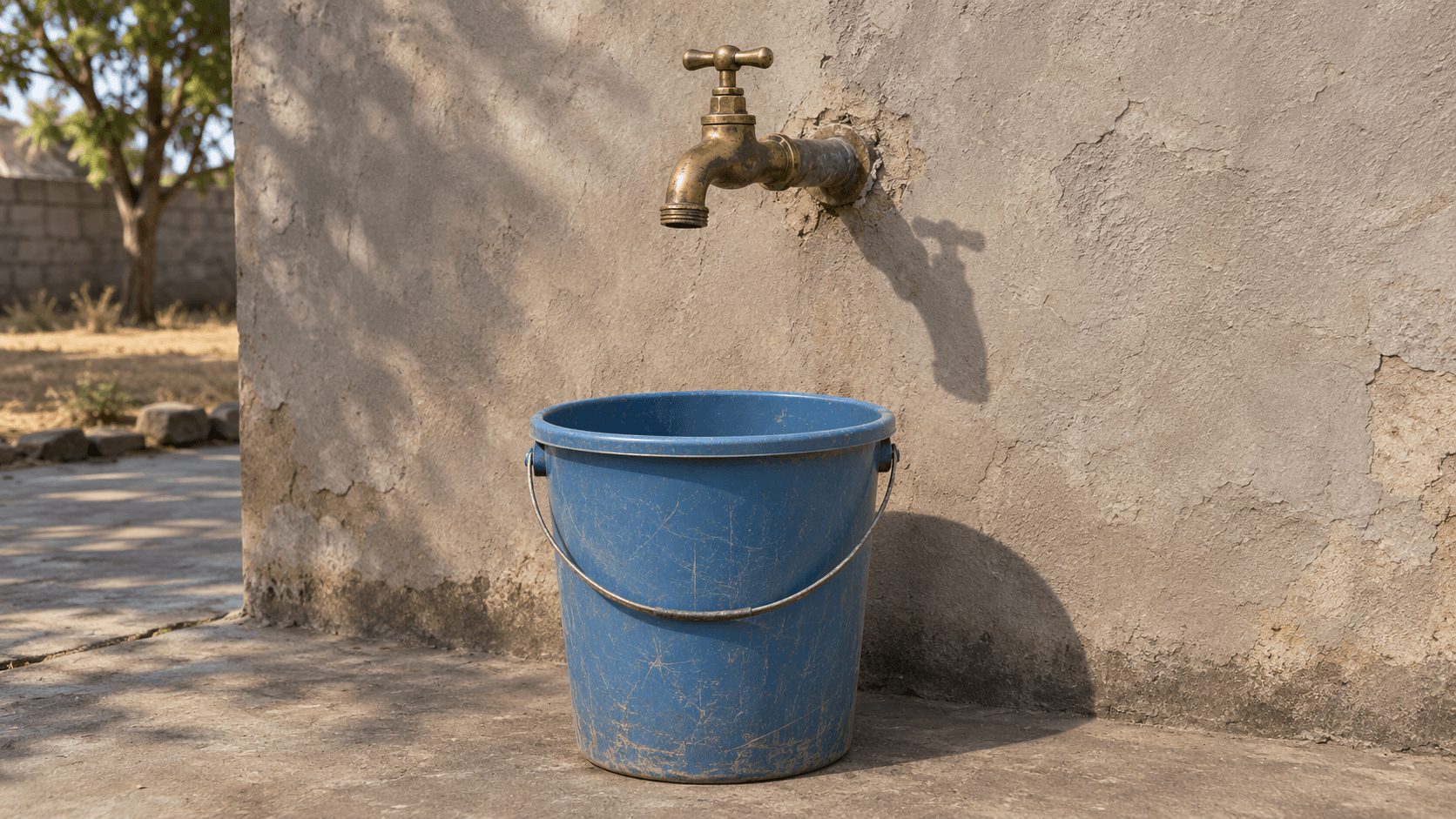
Some Bulawayo households are still waiting for water after scheduled cuts end. Residents in parts of Pumula South and Tshabalala told Zimpapers they had turned to communal boreholes after municipal water failed to reach their homes.
The city eased its standard rationing programme in May after better inflows during the rainy season. But breakdowns, burst pipes, leaks and interruptions to electricity supply continue to disrupt the network that carries water from the dams to homes, Bulawayo’s acting assistant director of water and sanitation, Kwanele Sibanda, told Zimpapers.
The Zimbabwe National Water Authority’s readings for 23 November show how uneven storage is across the city’s six supply dams. Mtshabezi was 97.7% full and Insiza was at 77.1%. Upper Ncema stood at 39.2% and Lower Ncema at 35%. Mzingwane and Inyankuni were both below 28%.
What happens between the dam and the tap
Even at Mtshabezi, where the dam was nearly full on 23 November, pipeline constraints and intermittent power limited how much water could be pumped from it, Sibanda told Zimpapers.
When pumping stops or a reservoir takes longer to refill, households can go without running water beyond the scheduled cut. Low pressure can extend the wait for homes on higher ground.
A power fault can delay supply even after pumping resumes. Water has to be pumped to treatment works and then fed into reservoirs before it reaches neighbourhood pipes. If reservoirs run low during an outage, they take time to refill. When network pressure is low, homes on higher ground can still be left without water.
That happened in September, when electrical faults disrupted pumping to treatment works and reservoirs. After the faults were fixed, the city was still refilling reservoirs and gradually restoring supplies, town clerk Christopher Dube said in a statement reported by The Southern Eye.
Why some suburbs wait longer
On 6 May, the City of Bulawayo reduced its standard weekly water-shedding programme from 96 to 72 hours. It kept areas supplied by Tuli Reservoir on a separate schedule of 96 to 120 hours while pumps were being repaired.
Zimpapers reported on Sunday that the 72-hour programme remained in place for most suburbs, with some Tuli areas still experiencing cuts of four to five days. A Tshabalala resident told the outlet that taps had stayed dry even on days when supplies were due to return.
Sibanda said the city had been using water tankers to assist some affected communities. A current suburb-by-suburb restoration timetable and a completion date for the Tuli pump repairs could not be independently confirmed.
Sources & reporting
The Granite Post Zimbabwe verifies documents, interviews sources and checks official records before publication. Our editorial standards explain what we require before a story runs.
Read our editorial standards
Related Articles

Join the discussion
Share your view.
No comments yet. Be the first.