
Zimbabwe heat warning runs through Tuesday, with valleys most exposed
In short
- The advisory covers 18–20 October, with particular concern for low-lying areas.
- Reduce exposure to intense afternoon heat and follow daily weather updates.
Zimbabwe faces another day of very hot weather on Monday under an advisory covering 18 to 20 October, with low-lying parts of the country expected to experience the strongest heat.
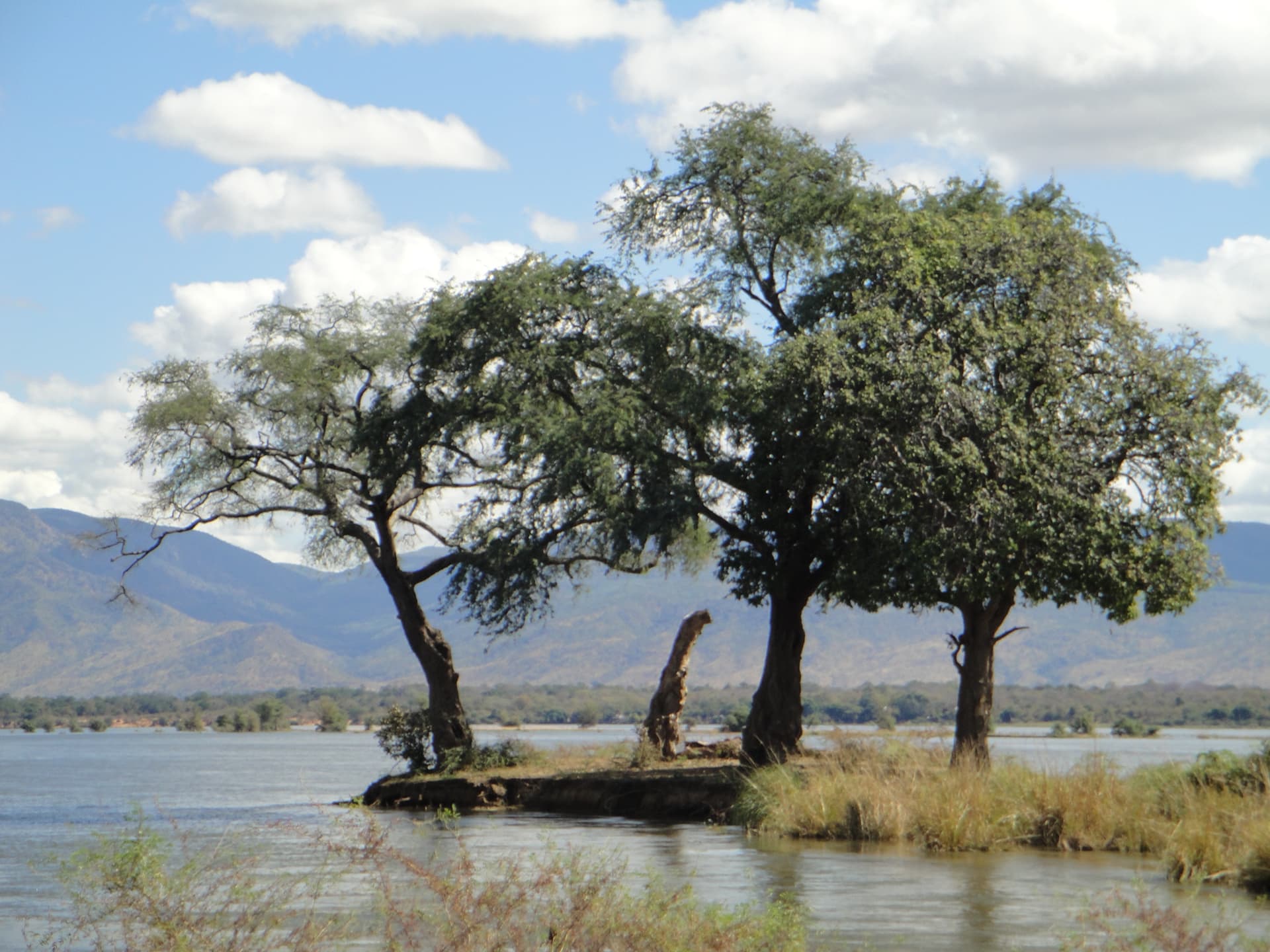
The Meteorological Services Department, working with the Department of Civil Protection, has warned of hotter afternoons under largely sunny skies. The Zambezi and Save valleys are among the areas singled out.
The warning calls for precautions by families, outdoor workers and farmers as the three-day spell continues through Tuesday. It does not mean temperatures will be the same in every district.
Reduced cloud cover is expected to allow longer periods of sunshine. The advisory also identifies possible stress on crops and livestock, with water and shade important for animals exposed to the heat.
The warning affects outdoor work, school journeys and farming, particularly where access to shade and water is limited.
Reduce exposure during the hottest hours
The World Health Organization advises avoiding strenuous activity during the hottest part of the day, staying in shade and drinking water regularly. Light, loose clothing and access to a cool place can help reduce exposure.
Children, older people and people with existing health conditions may need particular attention. Outdoor and manual workers are also exposed because of the conditions in which they earn a living.
WHO warns that extreme heat can worsen heart, lung and kidney conditions and that heatstroke is a medical emergency. Children and animals should never be left in parked vehicles, even for a short period.
Checking on someone who lives alone can be as important as preparing one's own home. The health agency also recommends limiting direct sunlight entering rooms during the day and using cooler night air when outdoor temperatures fall below those indoors.
Farmers urged to watch water supplies
The MSD advisory urges livestock owners to provide drinking water and suitable shade. Farmers should seek local agricultural extension advice when deciding how to respond to heat stress in crops.
For the Monday morning commute and school run, the useful distinction is between a forecast and an observation. The advisory describes expected conditions; it is not a record of temperatures already reached today.
Residents should follow the department's daily updates, particularly before prolonged outdoor activity. The three-day warning ends on Tuesday, 20 October; conditions beyond that period require an updated forecast.
How we reported this
The Granite Post Zimbabwe verifies documents, interviews sources and checks official records before publication. Our editorial standards explain what we require before a story runs.
Read our editorial standardsAbout the author
News and practical explainers on the developments shaping everyday life in Zimbabwe, from connectivity and business to public services and opportunities.
View author profileLatest Updates



Business & Economy
Harare to open COMESA business programme ahead of Thursday summit
Related Articles




Premium
View all Premium →
ZiG Inflation Falls to 2.9% but Bank Loans Still Cost Over 40%
Annual ZiG inflation dropped to 2.9% in August, the lowest since independence, 18 April 1980. But the central bank says some banks have not cut lending rates since June, leaving borrowers paying more than 40% while prices barely move.


Support independent journalism
Support our journalismSupport The Granite Post Zimbabwe
Your subscription helps fund investigations, public-interest reporting and deeper Zimbabwe coverage.
Trending This Week

Zimbabweans Warned Over WhatsApp Account Takeovers: How to Protect Yourself

Econet Revives Technites Platform to Create Jobs for Skilled Zimbabweans

Can Your Employer Fire You Without Notice in Zimbabwe? What the Law Says

49 Illegal Health Facilities Shut Down in Zimbabwe as Authorities Warn Patients

Comments
Join the conversation
Share your view.
No comments yet. Be the first.