
Zimbabwe’s Gold Output Target Rises to 59 Tonnes in 2027
In short
- Zimbabwe is targeting 59 tonnes of gold production in 2027, with the mining sector forecasting higher revenues and investment.
By Simba Zimunya
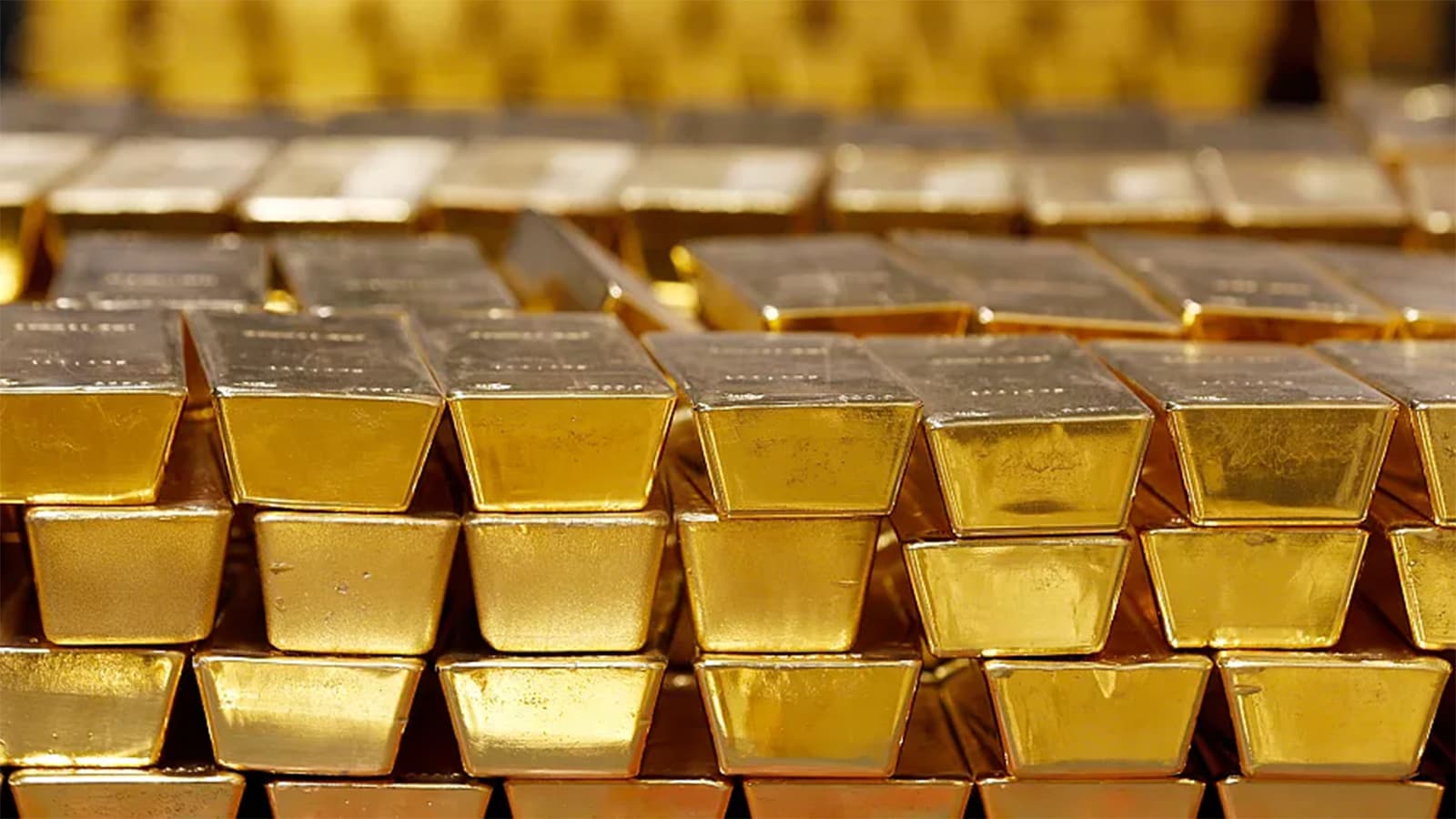
Zimbabwe's gold production is expected to increase from 55 tonnes in 2026 to 59 tonnes in 2027, as the mining sector anticipates higher mineral revenues and increased investment.
The projections are contained in the Chamber of Mines of Zimbabwe's State of the Mining Industry Survey: Prospects for 2027.
The survey indicates that gold output could reach 60 tonnes if supported by favourable policies. Projected gold revenue is expected to rise to US$8.85 billion, representing 61 percent of total mineral exports.
Higher gold production could strengthen export earnings, create employment opportunities and support local mineral value addition if the projections are achieved.
Gold Prices and Investment Prospects
The projected increase in gold revenue is underpinned by an anticipated gold price of US$4,250 per ounce, compared with a historical average of US$1,600 per ounce.
Platinum is also expected to benefit from stronger prices, with the survey projecting US$1,750 per ounce against a historical average of US$935.
Gold producers are expected to invest US$400 million in new capital projects in 2027, making gold the mining sector's second-largest recipient of planned investment after lithium, which is projected to attract US$1 billion.
Overall, the mining industry is expected to require US$1.9 billion in capital investment next year.
Mining Revenue Projected to Reach US$14.6 Billion
Total mineral revenue is projected to increase to US$14.6 billion in 2027, up from US$13.6 billion in 2026 and US$8.4 billion in 2025.
Gold, lithium and platinum group metals are expected to remain the major contributors to mineral export earnings.
The survey projects lithium revenue at US$3 billion, while platinum group metals are expected to generate US$1.14 billion. Together with gold, the three mineral groups are projected to account for 95 percent of mineral exports.
Mining remains a major source of foreign currency for Zimbabwe. The report says the sector accounted for 83 percent of national exports in 2026 and contributed 22 percent of its revenue to Government through taxes and levies.
Employment and Capacity Utilisation Expected to Improve
The mining sector is also anticipating improved production capacity and employment.
Capacity utilisation is projected to rise to 91 percent in 2027, from 76 percent in 2026.
Formal employment in the sector is expected to increase from 60,000 workers in 2026 to 62,000 next year.
If achieved, the projected growth could strengthen the sector's contribution to national economic activity and foreign currency earnings.
Gold Boom Presents Opportunity for Value Addition
The survey says stronger gold earnings could provide Zimbabwe with an opportunity to build foreign currency reserves, support beneficiation and accelerate local value addition.
These ambitions are linked to the National Development Strategy 2 (NDS2), which targets growth in manufactured and value-added exports to US$1 billion by 2030.
The projected increase in gold production therefore carries significance beyond mining output. Its wider economic impact will depend on investment, production performance, policy support and the country's ability to retain more value from its mineral resources.
Sources & reporting
The Granite Post Zimbabwe verifies documents, interviews sources and checks official records before publication. Our editorial standards explain what we require before a story runs.
Read our editorial standardsRelated Articles



Join the discussion
Share your view.
No comments yet. Be the first.