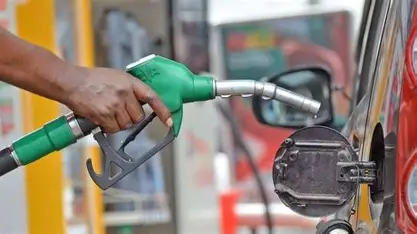
HARARE - Zimbabwe is exploring a move to raise the ethanol content in its fuel blend from the current 5% to 20%, as the government seeks ways to cushion consumers against rising pump prices.
Ministers confirmed the proposal after Cabinet agreed in principle to reduce some government levies on fuel, though no specific figures were announced. The increase in ethanol blending would allow more locally produced ethanol to substitute for imported crude-derived fuel, reducing the country's exposure to global oil price swings.
Global fuel prices have risen sharply in recent months, linked to renewed tensions involving the United States, Israel, and Iran. Zimbabwe, which imports most of its fuel, has felt the effects. Diesel prices have climbed to some of the highest levels in the SADC region.
An E20 blend would represent a significant policy shift. Zimbabwe currently produces ethanol primarily through Green Fuel at Chisumbanje and Middle Sabi. Scaling up blending requirements would likely boost local production and create additional rural employment, though it could also put pressure on agricultural land use.
Analysts have previously noted that higher ethanol blending can reduce fuel costs when crude prices are elevated, but the benefit depends heavily on the cost of sugarcane feedstock and the efficiency of local distilleries.
No implementation date has been set for the E20 policy. The government is expected to consult with fuel retailers and the energy sector before finalising the framework.