Zimbabwe Rejects US$367 Million Health Aid Deal Over Data Concerns
Zimbabwe has rejected a proposed US$367 million health funding agreement with the United States after government officials raised concerns about requests for access to sensitive biological data and medical samples.
Details of the decision emerged following the leak of a government memorandum from December which indicated that President Emmerson Mnangagwa considered the proposed agreement to be "lopsided".
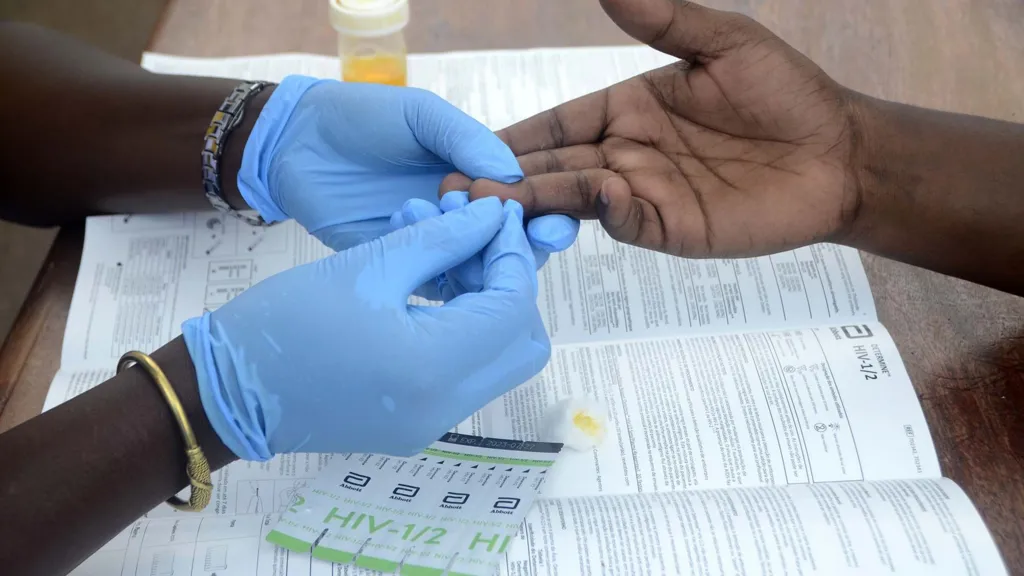
The funding package was intended to support Zimbabwe's national programmes targeting HIV and Aids treatment, tuberculosis, malaria prevention, maternal health and disease outbreak preparedness.
According to the US embassy in Harare, Washington has provided more than US$1.9 billion in health related funding to Zimbabwe over the past two decades.
US Ambassador to Zimbabwe Pamela Tremont said the collapse of the agreement meant the United States would now begin scaling down its health assistance programmes in the country.
"We will now turn to the difficult and regrettable task of winding down our health assistance in Zimbabwe," Tremont said in a statement.
The embassy said the proposed funding would have supported critical programmes including HIV treatment for more than 1.2 million Zimbabweans currently receiving care through US backed initiatives.
However Zimbabwean officials said the conditions attached to the agreement raised serious concerns about national sovereignty and data governance.
Government spokesperson Nick Mangwana explained that the deal would have required Zimbabwe to share biological samples and long term medical data without clear guarantees that Zimbabwe would benefit from future medical discoveries resulting from that research.
"Zimbabwe was being asked to share its biological resources and data over an extended period with no corresponding guarantee of access to any medical innovations such as vaccines, diagnostics or treatments that might result from that shared data," Mangwana said.
"In essence our nation would provide the raw materials for scientific discovery without assurance that the end products would be accessible to our people should a future health crisis emerge."
Mangwana also pointed to changes in global health cooperation following the United States decision to withdraw from the World Health Organization and pursue bilateral health agreements with individual countries.
He said the move could undermine existing global health frameworks designed to ensure equitable sharing of benefits from medical research.
One such framework is the Pathogen Access and Benefit Sharing system, which aims to ensure that countries providing biological data during health emergencies receive fair access to vaccines and treatments developed from that information.
"These systems exist to ensure that when countries contribute critical data, the benefits including vaccines and treatments are shared fairly rather than commercialised exclusively by those with the resources to develop them," Mangwana said.
He stressed that Zimbabwe's rejection of the deal should not be interpreted as hostility toward the United States.
"Zimbabwe remains open to continued dialogue with our American counterparts on how future cooperation can be structured in a way that respects the sovereignty and dignity of both nations," he added.
Health experts within Zimbabwe have also urged caution.
The Zimbabwe College of Public Health Physicians acknowledged the government's concerns but called for further negotiations to ensure essential HIV and public health programmes remain funded.
The organisation noted that Zimbabwe's HIV response still depends heavily on international support and warned that sudden funding gaps could affect treatment programmes.
"Where technical issues exist including those relating to data governance or implementation frameworks these can often be addressed through technical clarification and negotiated safeguards," the association said in a statement.
Zimbabwe is home to approximately 1.2 million people receiving HIV treatment through programmes supported by international partners.
Health analysts say continued dialogue between Harare and Washington may still offer a pathway to a revised agreement that protects Zimbabwe's interests while maintaining critical funding for life saving health services.
For now, however, the proposed health funding agreement remains suspended.
By The Granite Post Reporter