
49 Illegal Health Facilities Shut Down in Zimbabwe as Authorities Warn Patients
 By Rebecca Zimera4 min read
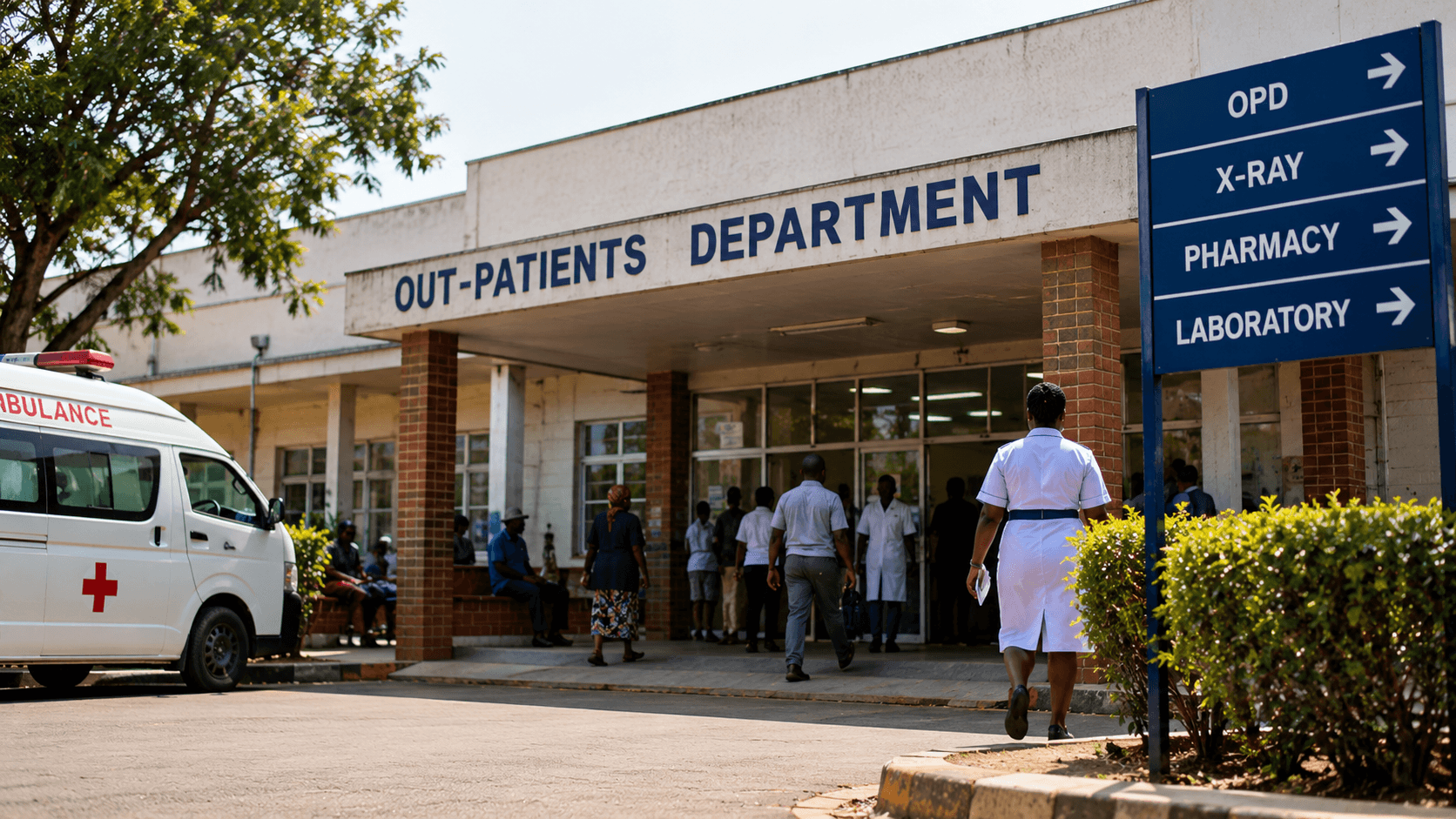
Zimbabwe's health regulator has shut down 49 illegal medical facilities since the beginning of 2026, including drug and substance abuse rehabilitation centres, after inspections and complaints exposed institutions operating outside the country's healthcare registration requirements.
The Health Professions Authority of Zimbabwe (HPA) announced the closures on Tuesday, 13 October, warning that patients seeking treatment at unregistered institutions could be exposed to unsafe procedures, unqualified personnel and inadequate medical supervision.
The enforcement action brings renewed attention to a problem that can be difficult for patients to detect: a clinic or rehabilitation centre may appear legitimate, advertise medical services and accept payment without holding the registration required to operate lawfully.
HPA secretary-general Clotilda Chimbwanda said the facilities were identified through regulatory inspections and information supplied by members of the public.
The authority warned that some unregistered institutions lack suitable infrastructure, do not follow established medical protocols and may employ people without the professional qualifications necessary to provide the services being offered.
Unregistered medical facilities can expose patients to unsafe treatment and inadequate supervision. The closures highlight why families should verify healthcare providers before paying for services or admitting relatives for treatment.
The regulator has not publicly provided a complete list of the 49 closed facilities in the reports reviewed, making it difficult to establish their geographical distribution or determine how many were rehabilitation centres rather than other types of health institutions.
Patients Warned Over Unregistered Clinics
The HPA said the dangers associated with unregistered health facilities extend beyond administrative non-compliance.
Patients may receive inappropriate treatment, be exposed to unproven procedures or experience neglect in environments where essential safeguards are absent.
The warning is particularly significant for families seeking rehabilitation services for relatives affected by drug and substance abuse. Such patients may require qualified clinical assessment, ongoing supervision and access to appropriate medical care.
An institution presenting itself as a rehabilitation centre does not necessarily possess the personnel or facilities needed to provide those services safely.
The regulator also raised concerns about the difficulties patients may face when seeking accountability for harmful treatment received outside the regulated healthcare system.
However, the announcement does not establish that every closed facility caused patient injuries or that criminal proceedings have been instituted against all its operators.
Those distinctions remain important. Operating without the required registration is a regulatory concern, while allegations of abuse, negligence or criminal misconduct require evidence relating to the individual institution involved.
How Zimbabweans Can Check Whether a Clinic Is Registered
The HPA has urged patients and their relatives to verify the credentials of healthcare institutions before accepting treatment.
A registered institution should be able to produce a valid certificate of institutional registration issued by the authority.
Healthcare practitioners should also hold current practising certificates from their respective professional councils, while facilities offering specialised services may require additional authorisations.
Patients can consult the HPA's official website at https://hpa.co.zw, which provides access to information about registered health institutions.
The authority maintains an electronic register that allows members of the public to search for facilities by speciality and location.
Checking an institution's registration is particularly important before paying for expensive procedures, admitting a relative to residential rehabilitation or committing to prolonged treatment.
A professional-looking building, advertising campaign or social media presence should not be treated as proof of regulatory approval.
Where a facility's credentials cannot be verified, patients can contact the regulator directly for clarification.
The HPA has also encouraged members of the public to report suspected unregistered facilities to the nearest police station or to the authority itself.
Closures Raise Questions About Healthcare Oversight
Under the Health Professions Act [Chapter 27:19], the HPA is responsible for regulating healthcare institutions and coordinating oversight of health professionals and their respective councils.
Its inspectorate is empowered to intervene where institutions pose public health risks or fail to meet prescribed operating requirements.
According to the authority's published inspection guidance, immediate closure may be warranted where a facility presents a health hazard. In other compliance cases, institutions may first be directed to correct deficiencies before enforcement action is taken.
The regulator describes closure as a measure of last resort, recognising that shutting down a healthcare institution can also interrupt access to treatment for communities that depend on its services.
That creates an important distinction between enforcement against unsafe operators and the wider challenge of ensuring patients can obtain legitimate, affordable healthcare.
The latest announcement leaves several questions unanswered, including whether affected patients have been referred to registered facilities, how many operators have faced prosecution and whether previously closed institutions have subsequently met the requirements for reopening.
The HPA has not disclosed those details in the public reporting reviewed.
For patients, the immediate message is straightforward: healthcare providers should be checked before treatment begins, not only after something goes wrong.
The closure of 49 facilities illustrates the scale of enforcement activity undertaken this year. Its longer-term significance will depend on continued inspections, public access to reliable registration information and effective action against institutions that place patients at risk.
How we reported this
The Granite Post Zimbabwe verifies documents, interviews sources and checks official records before publication. Our editorial standards explain what we require before a story runs.
Read our editorial standardsAbout the author
Rebecca Zimera is Senior Business and Courts Correspondent at The Granite Post. She reports on money and property in Zimbabwe, covering economic policy, household finances, local government spending and the court cases that decide who owns what
View author profileLatest Updates


Business & Economy
Harare to open COMESA business programme ahead of Thursday summit

Premium
View all Premium →
ZiG Inflation Falls to 2.9% but Bank Loans Still Cost Over 40%
Annual ZiG inflation dropped to 2.9% in August, the lowest since independence, 18 April 1980. But the central bank says some banks have not cut lending rates since June, leaving borrowers paying more than 40% while prices barely move.


Support independent journalism
Support our journalismSupport The Granite Post Zimbabwe
Your subscription helps fund investigations, public-interest reporting and deeper Zimbabwe coverage.





Comments
Join the conversation
Share your view.
No comments yet. Be the first.