
Chirumhanzu Records No Adolescent HIV-Related Deaths Since 2022
In short
- Chirumhanzu reports no adolescent HIV-related deaths since 2022, alongside 95 percent viral suppression among children and adolescents.
By Simba Zimunya
Chirumhanzu District in the Midlands Province has reported no HIV-related deaths among adolescents since 2022, with health officials crediting a peer-support programme for helping young people living with HIV remain on treatment and achieve viral suppression.
The Community Adolescent Treatment Supporters (CATS) programme recruits and trains young people living with HIV to support their peers through treatment adherence guidance, counselling, community follow-ups and psychosocial support.
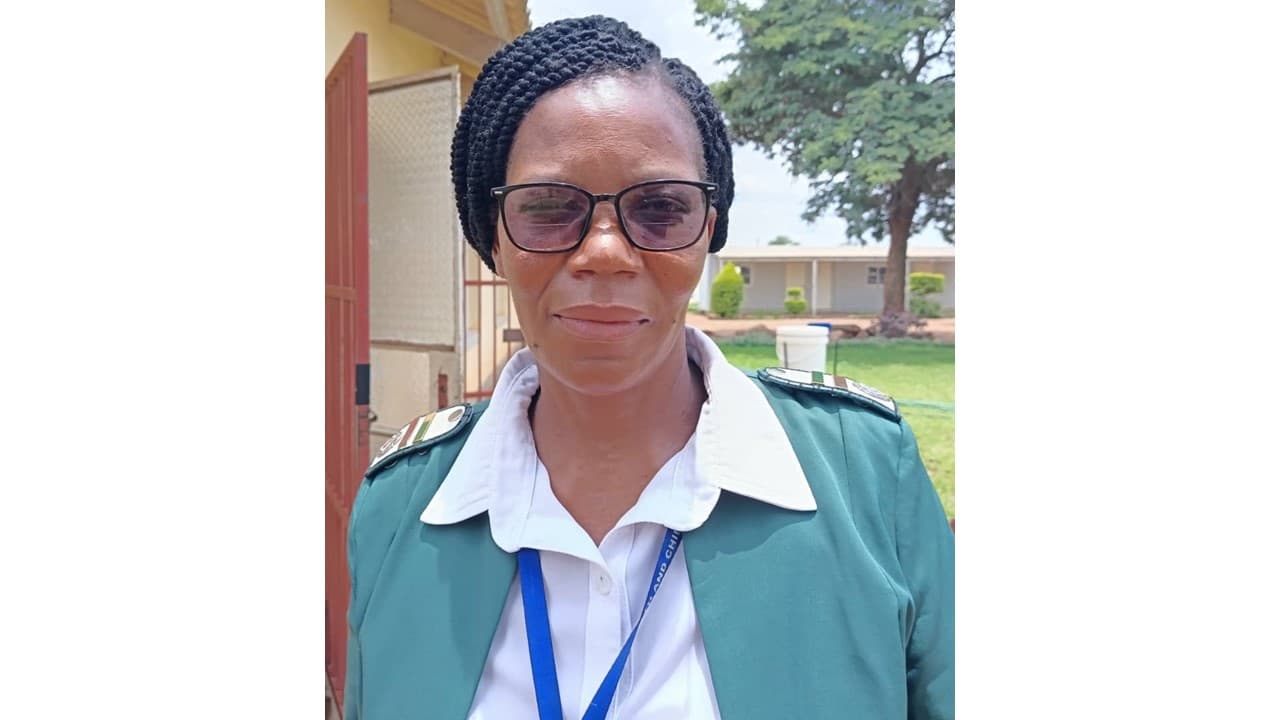
Acting Chirumhanzu District Hospital District Nursing Officer Sister Tendai Nyika said the district had recorded no adolescent HIV-related deaths over the past four years, while viral suppression among children and adolescents had reached 95 percent.
Peer support can help address stigma, missed treatment appointments and emotional challenges that affect young people living with HIV.
She made the remarks during a National AIDS Council (NAC) media tour ahead of the World AIDS Day commemorations scheduled for Shurugwi on 1 December.
“From 2022 to date, we have not recorded any HIV-related deaths among our adolescents. They are doing very well because they are being supported by their peers,” Nyika said.
She said the programme had improved treatment adherence, reduced the effects of stigma and discrimination, and helped young people gain confidence in managing their health.
Peer Support Helps Adolescents Stay on Treatment
The programme addresses challenges faced by adolescents who struggle to accept their HIV status, particularly those who acquired the virus through mother-to-child transmission.
CATS supporters share similar experiences with the young people they assist, making it easier for beneficiaries to discuss treatment, relationships, school life and personal challenges.
Nyika said health workers had also received training on how to work with peer supporters and provide appropriate professional guidance.
The district has established age-appropriate support groups for younger children and older adolescents. The groups meet once every quarter, providing opportunities for participants to share experiences and receive counselling.
Nyika also highlighted the story of a couple who met through the initiative, later married and had an HIV-negative child, describing it as an example of the importance of treatment adherence and access to health information.
Programme Expands to 36 Peer Supporters
Chirumhanzu District CATS Supervisor Lewis Mache said the initiative started in 2022 with 15 trained peer supporters serving nine health facilities.
The programme has since grown to 36 peer providers, although it is currently operating in nine of the district's 22 health facilities.
Mache said the district had 1,934 children and young people receiving antiretroviral therapy (ART), comprising 212 males and 1,722 females.
Peer supporters, aged between 18 and 24, are recruited from young people living with HIV and trained to assist younger beneficiaries. Each supporter is expected to work with approximately 25 children.
Their responsibilities include identifying beneficiaries who miss medication appointments or viral load tests and encouraging them to return to health facilities.
The supporters also conduct community follow-ups, mental health screening, tuberculosis screening and checks for eligibility for tuberculosis preventive treatment. Those requiring professional attention are referred to health facilities.
Tackling Stigma and Treatment Defaulting
Mache said some adolescents who acquired HIV through mother-to-child transmission struggled to understand their status, particularly when they had not been adequately prepared for disclosure.
This could contribute to missed medication and treatment appointments.
However, interacting with peers who have faced similar experiences has helped some beneficiaries accept their status and take greater responsibility for their health.
The programme has also encouraged young people to pursue education and professional careers. Mache said some former beneficiaries and peer supporters had gone on to nursing training and university studies.
He said these examples helped demonstrate to younger participants that living with HIV did not mean abandoning their ambitions.
Supporting the Supporters
Mache said the programme had also recognised the need to provide psychosocial support to peer providers, who assist others while managing their own health and personal challenges.
Chirumhanzu District AIDS Coordinator Gwatirisa Masara said the care-for-the-carer approach was important in keeping peer supporters motivated and ensuring the programme remained sustainable.
The district is working with stakeholders, including the National AIDS Council, to strengthen services for adolescents and young people living with HIV.
The CATS initiative demonstrates how community-based support can complement clinical treatment by addressing the emotional, social and behavioural challenges that affect HIV treatment adherence.
With viral suppression among children and adolescents reported at 95 percent and no adolescent HIV-related deaths recorded since 2022, health officials say the programme is contributing to improved health outcomes in Chirumhanzu.
Sources & reporting
The Granite Post Zimbabwe verifies documents, interviews sources and checks official records before publication. Our editorial standards explain what we require before a story runs.
Read our editorial standardsRelated Articles


Join the discussion
Share your view.
No comments yet. Be the first.