
Jonathan Moyo’s Reported Reunion With Mnangagwa Raises Questions Over Tagwirei’s Political Ambitions
 By Prosper Makunike4 min read
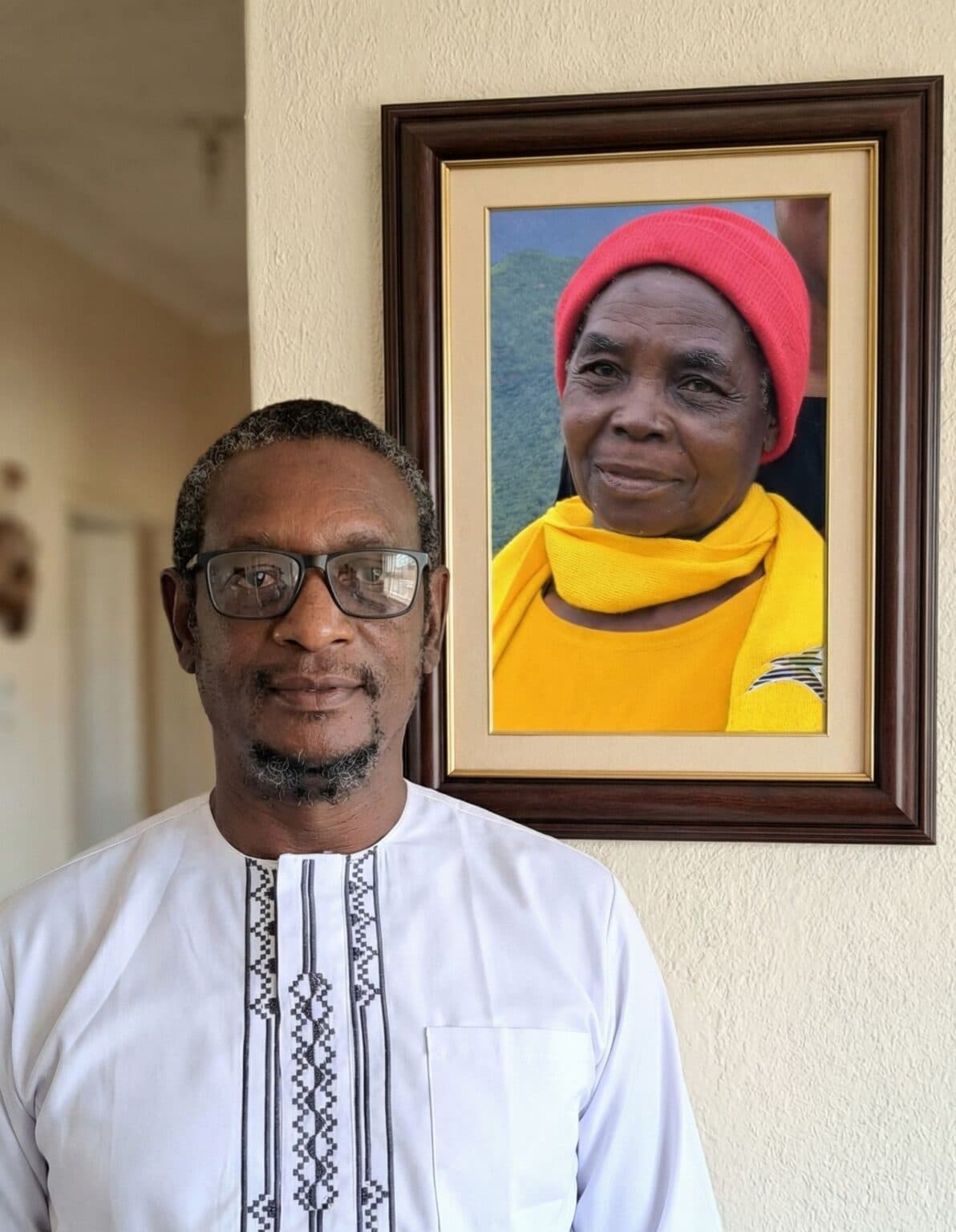
In an opinion article, social justice advocate and writer Tendai Ruben Mbofana argues that the apparent reconciliation between the two figures could have significant implications for businessman and Cabinet minister Kudakwashe Tagwirei, whose growing influence has attracted attention in political circles.
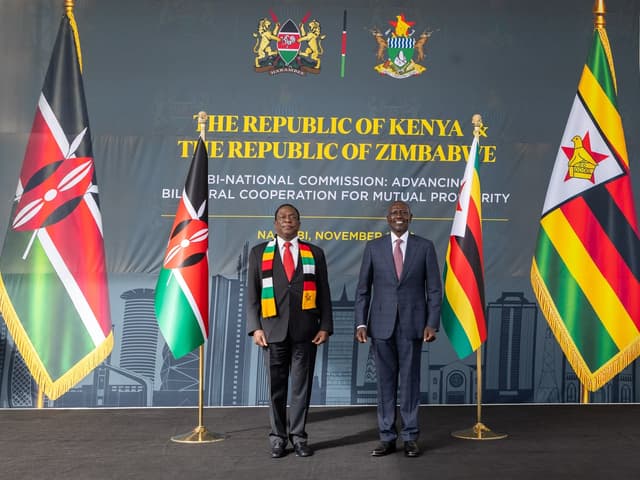
According to media reports cited by Mbofana, Mnangagwa and Moyo met at Nairobi's Villa Rosa Kempinski Hotel on November 26, ahead of the inaugural Kenya-Zimbabwe Bi-National Commission summit.
The reported meeting is particularly notable given the strained relationship between the two men following Moyo's departure into exile in 2017.
For several years, Moyo publicly criticised Mnangagwa and his administration. However, the latest reported engagement has raised questions about whether their political relationship is being restored.
Mbofana argues that political alliances in Zimbabwe have frequently shifted according to changing interests, with former rivals sometimes finding common ground when circumstances demand it.
Why Tagwirei Could Be Affected
The writer identifies Tagwirei as one of the figures who could be affected by any renewed relationship between Mnangagwa and Moyo.
He argues that Tagwirei has steadily increased his political influence over the past two years, moving into prominent positions within ZANU PF and government.
His rise has included membership of the party's Central Committee and Politburo, appointment to the Senate and elevation to Cabinet.
Mbofana suggests that Tagwirei's growing political profile has been accompanied by expectations that he could become an influential figure in discussions about succession after Mnangagwa.
However, the writer believes Moyo's reported re-engagement with the President could introduce another influential player into the political equation.
Moyo's History of Political Alliances
Mbofana describes Moyo as an experienced political strategist who has previously moved between opposing political camps.
He recalls Moyo's transformation from a prominent critic of former President Robert Mugabe in the late 1990s into one of Mugabe's influential political defenders and spokespersons.
The article also revisits the political developments of 2014, when Moyo, Mnangagwa and then First Lady Grace Mugabe were reportedly aligned during efforts that culminated in the removal of then Vice-President Joice Mujuru from government and ZANU PF.
That alliance later broke down as competing political interests emerged, with Moyo becoming associated with the G40 faction while Mnangagwa became the central figure in the Lacoste faction.
Mbofana uses this history to argue that political cooperation does not necessarily translate into lasting loyalty, particularly when succession questions are involved.
Chiwenga's Position in the Succession Debate
The writer also draws comparisons with the changing relationship between Mnangagwa and Vice-President Constantino Chiwenga.
Chiwenga played a central role in the 2017 military intervention that resulted in Mugabe leaving office and Mnangagwa becoming President.
Mbofana argues that Chiwenga was initially widely viewed as a potential successor but that political developments over subsequent years altered the relationship between the two leaders.
He suggests that Tagwirei's growing influence has added another dimension to the succession debate.
Constitutional Changes and the Battle for Influence
A significant part of Mbofana's argument centres on Constitutional Amendment Bill No. 3, which is associated with proposed changes to presidential tenure and the method of selecting Zimbabwe's next President.
The writer claims Moyo played an important intellectual and strategic role in developing the constitutional framework supporting the changes.
He argues that the proposed shift from direct presidential elections to parliamentary selection would fundamentally alter the political environment in which future leadership contests are conducted.
Under such a system, political influence within Parliament, party structures and internal alliances would become particularly important.
Mbofana contends that these circumstances could favour political operators with experience in negotiations, political messaging and coalition-building, rather than those whose influence is primarily based on financial resources.
He also recalls Moyo's public criticism of the idea that wealth alone could secure political legitimacy within ZANU PF.
A Potential Shift in ZANU PF Power Dynamics
Mbofana argues that Tagwirei's political influence should not be viewed independently of the relationships surrounding Mnangagwa.
In his assessment, Moyo's reported return to engagement with the President could complicate assumptions about how succession arrangements might develop within the ruling party.
The writer suggests that Moyo may have interests of his own in the political changes currently unfolding, rather than simply supporting Mnangagwa or Tagwirei.
He therefore interprets the Nairobi meeting as a development that could have implications beyond the immediate relationship between the President and his former minister.
However, the reported meeting does not by itself establish that Moyo has formally rejoined Mnangagwa's inner circle, nor does it confirm the existence of any agreement concerning future leadership arrangements.
The meeting and its possible political implications remain subjects of speculation and analysis as debate over constitutional changes and succession continues within ZANU PF.
The article's central argument is based on political analysis and interpretation by Tendai Ruben Mbofana, rather than confirmed details of an agreed succession plan.
Sources & reporting
The Granite Post Zimbabwe verifies documents, interviews sources and checks official records before publication. Our editorial standards explain what we require before a story runs.
Read our editorial standards
Related Articles

Join the discussion
Share your view.
No comments yet. Be the first.