Constantino Chiwenga's 2017 Coup Remarks: What He Said Then and Why They Matter Now
In short
- Chiwenga's November 2017 warning against political purges preceded the military intervention that ended Robert Mugabe's presidency.
- His October 2026 speech questioned whether ZANU-PF was repeating past mistakes, but did not explicitly threaten another military intervention.
Nearly nine years after Constantino Chiwenga issued a military warning that preceded Robert Mugabe's removal from power, the former army commander has questioned whether ZANU-PF is repeating the mistakes that led to Zimbabwe's political transition in November 2017.
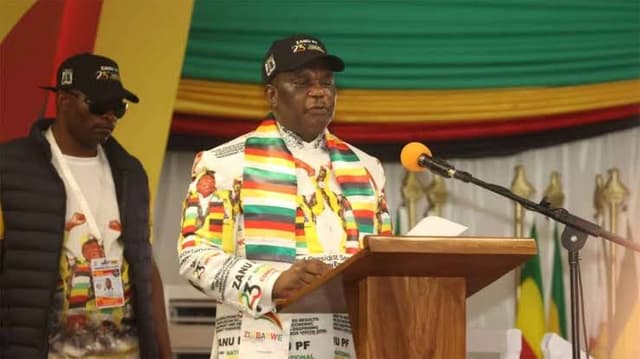
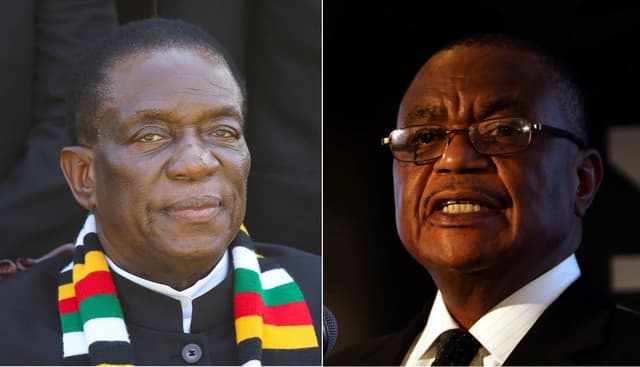
Chiwenga, now the country's vice president, raised the issue on October 16 while introducing President Emmerson Mnangagwa at ZANU-PF's 23rd National People's Conference in Chinhoyi.
His remarks have renewed attention on one of the most consequential episodes in Zimbabwe's political history, when a bitter dispute over Mugabe's succession escalated into military intervention and brought an end to his 37-year presidency.
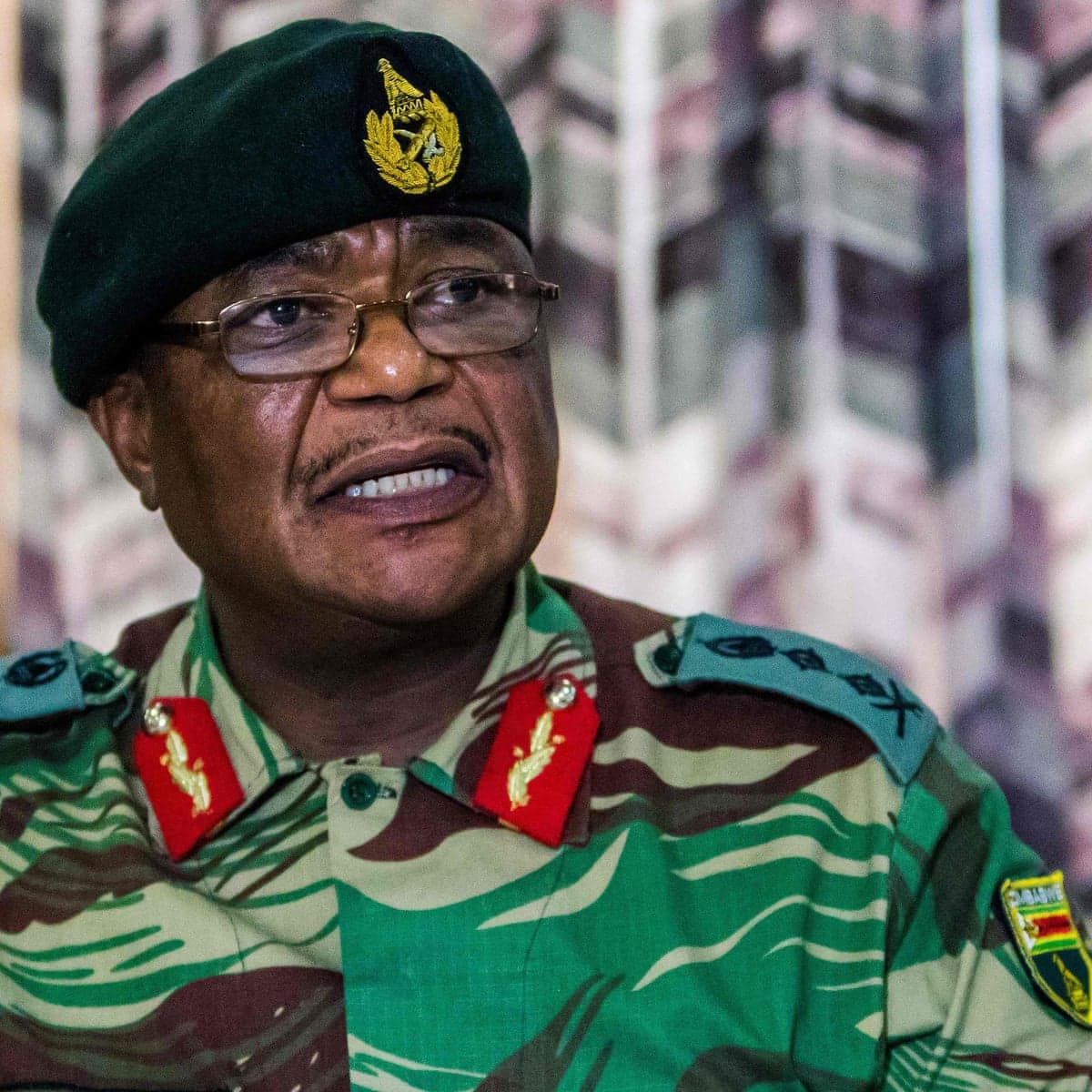
The significance of Chiwenga's latest speech lies partly in his own role in that transition. In November 2017, he was commander of the Zimbabwe Defence Forces and issued a public warning against political purges within ZANU-PF. Days later, soldiers moved into Harare.
The comparison raises questions about political accountability, leadership succession and whether Zimbabwe's Second Republic has fulfilled the promises associated with the 2017 transition.
This time, however, Chiwenga did not threaten military action. Instead, he challenged the ruling party to examine its record, its leadership practices and whether it had fulfilled the promises made following Mugabe's departure.
The warning that preceded Mugabe's removal
On November 13, 2017, Chiwenga appeared before journalists alongside senior military officers and delivered a statement expressing concern about instability within ZANU-PF.
The party was experiencing a fierce succession struggle following Mugabe's dismissal of Mnangagwa as vice president a week earlier.
Mnangagwa's removal was widely interpreted as strengthening the position of a faction associated with Grace Mugabe, the then president's wife, as competing groups sought influence over the country's future leadership.
Chiwenga condemned the targeting of party members with liberation war backgrounds and warned that the military could intervene to protect the revolution.
As Reuters reported at the time, the military leadership warned that it would not hesitate to step in if the political purges continued.
The intervention came shortly afterwards.
During the night of November 14 and the early hours of November 15, soldiers and military vehicles appeared in Harare. The armed forces took control of the state broadcaster and announced an operation against what they described as criminals surrounding Mugabe.
Although military officials denied staging a coup, Mugabe was placed under military control and his authority was severely restricted.
Large public demonstrations followed, while ZANU-PF moved to remove him as party leader.
On November 21, as Parliament began impeachment proceedings, Mugabe resigned. Mnangagwa was sworn in as president three days later.
The transition was welcomed by Zimbabweans who hoped the change in leadership would bring political reform, economic recovery and a departure from the practices associated with Mugabe's final years.
It also left unresolved questions about the military's involvement in civilian politics and the constitutional implications of removing a sitting president through armed intervention.
What Chiwenga said in Chinhoyi
Addressing the ZANU-PF conference on October 16, Chiwenga returned to the circumstances that led to the creation of the Second Republic.
He asked delegates to consider why the political transition had occurred and whether the party was once again displaying the conduct it had sought to correct.
Speaking partly in Shona, he questioned whether the mistakes of the past were being repeated.
He called for a "brutal and honest self-appraisal", challenging party officials to establish whether their resolutions genuinely reflected the views of ordinary members.
His questions extended beyond the party's internal affairs to the effect of government programmes on people's livelihoods.
Chiwenga argued that conference decisions should produce measurable improvements in communities rather than remain statements of political intention.
He also emphasised that ZANU-PF belonged to its membership and that leaders were temporary custodians of the organisation.
Significantly, his speech stressed that political change should follow established structures and constitutional procedures.
That distinction separates the October 2026 address from his November 2017 military statement.
In 2017, Chiwenga was speaking as the head of the armed forces and openly raised the possibility of military intervention. In Chinhoyi, he was speaking as vice president and a senior ruling-party official, calling for internal accountability and orderly political change.
His latest address contained no explicit call for another coup, nor did he announce any intention to use the military to resolve political disagreements.
Why the remarks matter in 2026
The renewed attention comes amid debate over Zimbabwe's political leadership, constitutional changes and the direction of ZANU-PF nearly a decade after Mugabe's departure.
Chiwenga and Mnangagwa were central figures in the political transition of 2017, but the question of how the Second Republic should be judged remains contested.
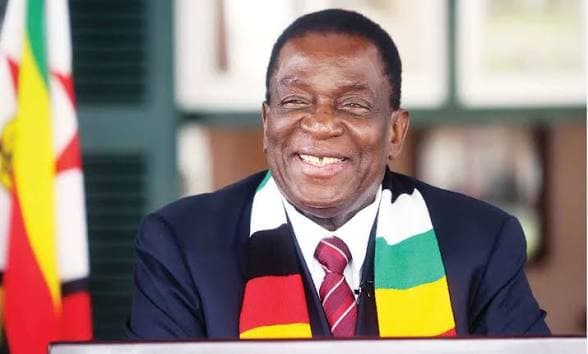
At the Chinhoyi conference, Mnangagwa defended his administration's economic performance, pointing to infrastructure development, economic growth and improvements in monetary stability.
Chiwenga's remarks, by contrast, placed greater emphasis on whether the ruling party had maintained accountability, listened to its grassroots membership and delivered meaningful improvements in living standards.
The differing emphasis attracted criticism from political figures.
Former ZANU-PF Mashonaland West provincial chairman Temba Mliswa accused Chiwenga of using the conference to revisit grievances rather than concentrating on government programmes and development priorities.
Mliswa argued that the vice president's remarks were inconsistent with the message of unity and progress he believed the gathering should have presented.
The criticism illustrates the competing interpretations of Chiwenga's address. Some reporting has placed it within the broader debate over political succession, while his stated message focused on self-examination and the responsibilities of leadership.
The comparison with 2017 is therefore important, but it requires historical precision.
Chiwenga's original warning was issued during an immediate confrontation between the military leadership and Mugabe's administration. His latest comments were made at a ruling-party conference and were framed around political accountability and constitutional processes.
The two speeches occurred under substantially different circumstances.
What connects them is Chiwenga's repeated concern about the direction of ZANU-PF and his invocation of the principles associated with Zimbabwe's liberation struggle.
Nine years after the military intervention, his questions have returned public attention to the promises made when Mugabe left office.
Whether those promises have been fulfilled remains a matter of political debate and public scrutiny. What is clear from the documented speeches is that Chiwenga has again asked ZANU-PF to confront its past, this time from within the civilian government established after the events of November 2017.
How we reported this
The Granite Post Zimbabwe verifies documents, interviews sources and checks official records before publication. Our editorial standards explain what we require before a story runs.
Read our editorial standardsAbout the author
News and practical explainers on the developments shaping everyday life in Zimbabwe, from connectivity and business to public services and opportunities.
View author profileLatest Updates



Business & Economy
Harare to open COMESA business programme ahead of Thursday summit
Related Articles
Premium
View all Premium →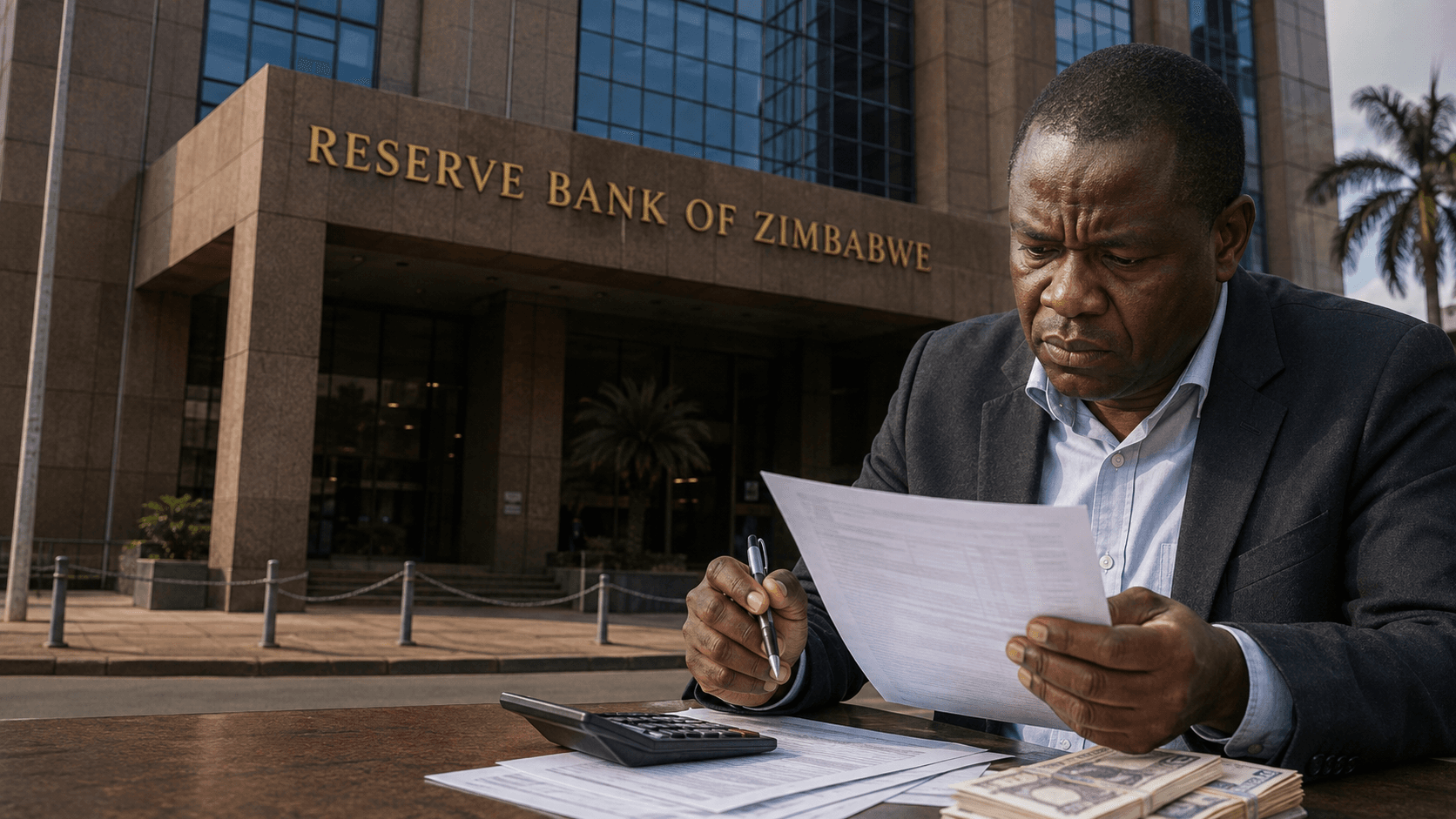
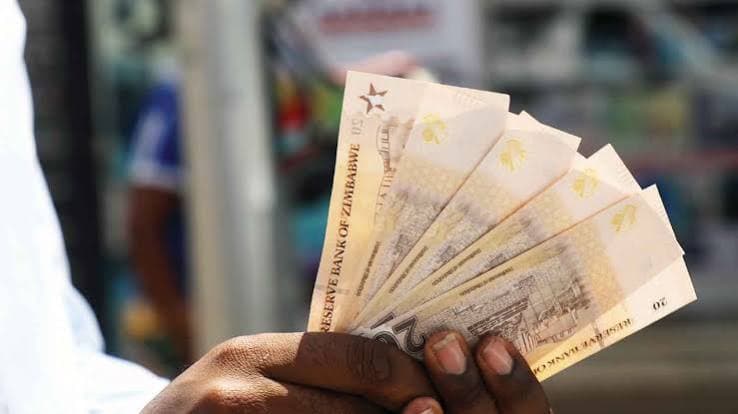
ZiG Inflation Falls to 2.9% but Bank Loans Still Cost Over 40%
Annual ZiG inflation dropped to 2.9% in August, the lowest since independence, 18 April 1980. But the central bank says some banks have not cut lending rates since June, leaving borrowers paying more than 40% while prices barely move.

Support independent journalism
Support our journalismSupport The Granite Post Zimbabwe
Your subscription helps fund investigations, public-interest reporting and deeper Zimbabwe coverage.

Comments
Join the conversation
Share your view.
No comments yet. Be the first.