
Google expands Android scam warnings: what Zimbabwean users should know
In short
- Google announced optional stronger scam checks for Messages, with a staged rollout and different device requirements.
- Zimbabwean users should verify availability on their handset and never share mobile money PINs or one-time passwords.
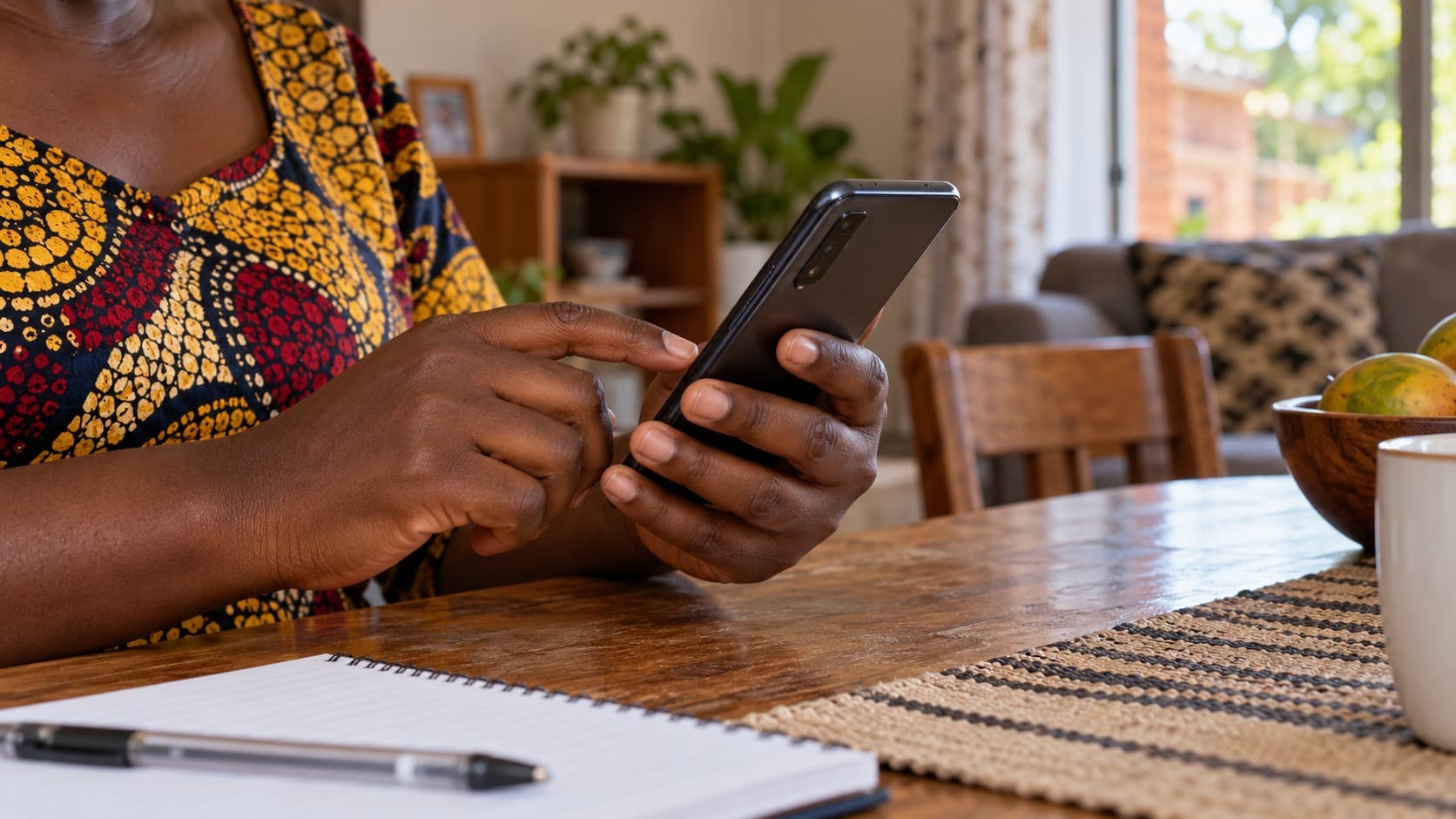
Google is adding stronger scam warnings to Android phones, a development Zimbabwean users should watch while continuing to protect the codes and passwords that secure their mobile money and messaging accounts.
Announced on 14 October, the changes include an optional Enhanced protection setting in Google Messages. Google says it will use its Gemini models to help identify suspicious conversations with unknown senders, alongside stronger checks on unfamiliar links.
The rollout will take place in stages. Availability depends on the feature, handset and country, so the announcement does not mean every Android phone in Zimbabwe can use the new tools immediately.
Check the handset, not just the headline
Google's device requirements differ across the protections. Some checks support older compatible models, while its new Gemini Nano link analysis requires selected newer devices.
Suspicious messages can put money and accounts at risk. Knowing what a phone can detect, and what still needs independent verification, helps readers make safer decisions.
The company is also working with manufacturers including TECNO, Infinix, itel and Xiaomi to expand scam alerts in chat notifications later this year. That is a rollout commitment, not confirmation that every phone from those brands already supports the feature.
For buyers, the practical implication is to check the exact model and available settings before treating a security announcement as a reason to replace a working phone.
Why the update matters locally
The relevance to Zimbabwe is the information a fraudster may try to obtain through a convincing message. EcoCash's own public guidance tells customers not to share their PIN or one-time password with anyone.
A warning on a phone can help interrupt that approach. It cannot make a payment request genuine or establish that someone claiming to represent a bank, mobile money service or employer is who they say they are.
Android's existing security guidance explains that criminals can disguise caller identities to appear trustworthy. An apparently familiar number should therefore not replace independent verification when money or account access is involved.
Readers can also review The Granite Post's guide to protecting a WhatsApp account.
Protection still needs a pause
Keep supported software updated and review the security options actually available on the device. If a message asks for payment or an account code, pause and contact the organisation through a channel obtained independently of that message.
The clearest advice for EcoCash users remains the provider's own rule: keep the PIN private. New scam detection is another layer of protection, not permission to hand over credentials when no warning appears.
How we reported this
The Granite Post Zimbabwe verifies documents, interviews sources and checks official records before publication. Our editorial standards explain what we require before a story runs.
Read our editorial standardsAbout the author
News and practical explainers on the developments shaping everyday life in Zimbabwe, from connectivity and business to public services and opportunities.
View author profileLatest Updates

Business & Economy
Harare to open COMESA business programme ahead of Thursday summit
Related Articles



Premium
View all Premium →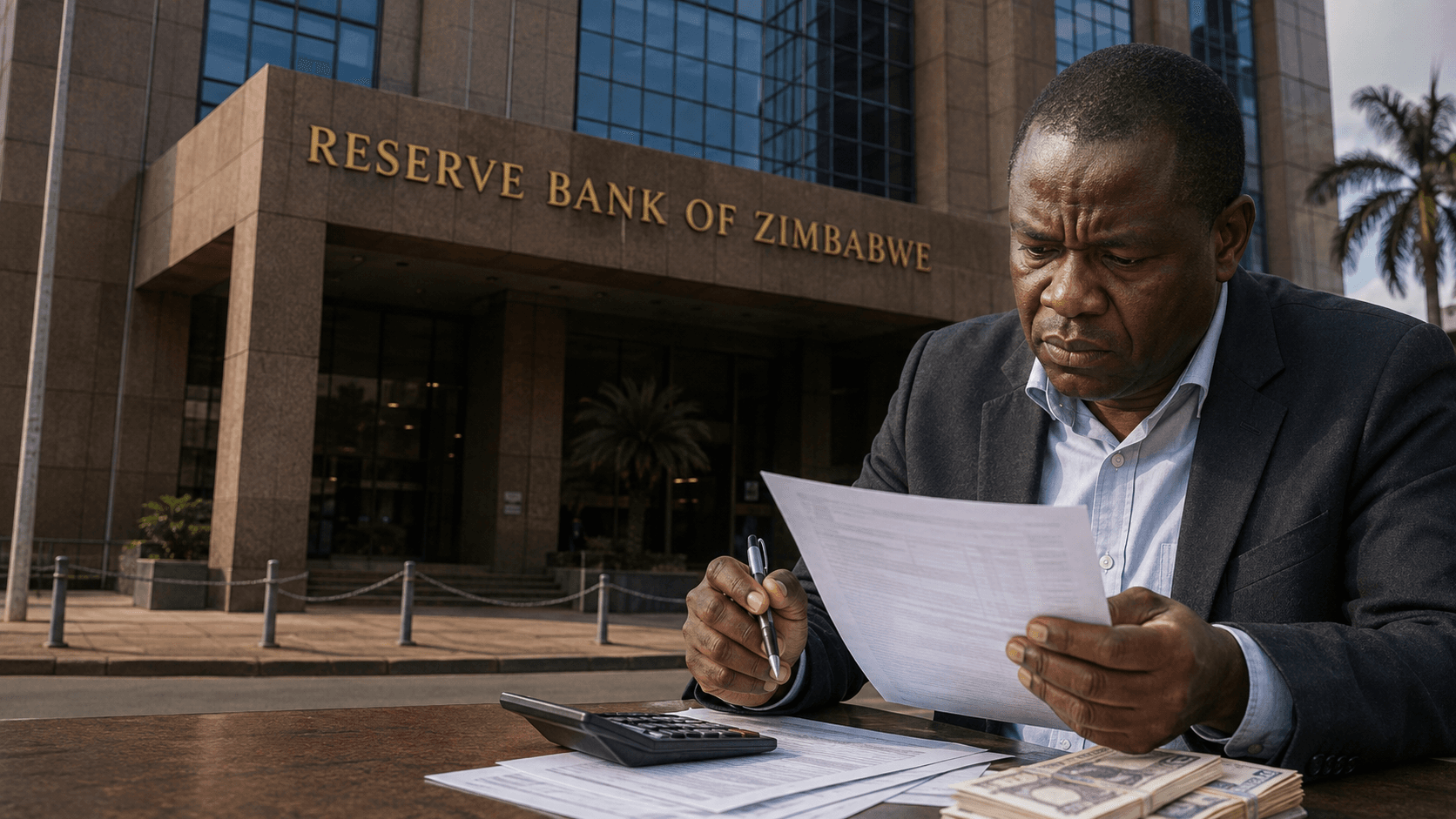
ZiG Inflation Falls to 2.9% but Bank Loans Still Cost Over 40%
Annual ZiG inflation dropped to 2.9% in August, the lowest since independence, 18 April 1980. But the central bank says some banks have not cut lending rates since June, leaving borrowers paying more than 40% while prices barely move.

Support independent journalism
Support our journalismSupport The Granite Post Zimbabwe
Your subscription helps fund investigations, public-interest reporting and deeper Zimbabwe coverage.



Comments
Join the conversation
Share your view.
No comments yet. Be the first.