
Nearly one in four Zimbabwean girls aged 15–19 has been pregnant, survey finds
 By Rebecca Zimera2 min read
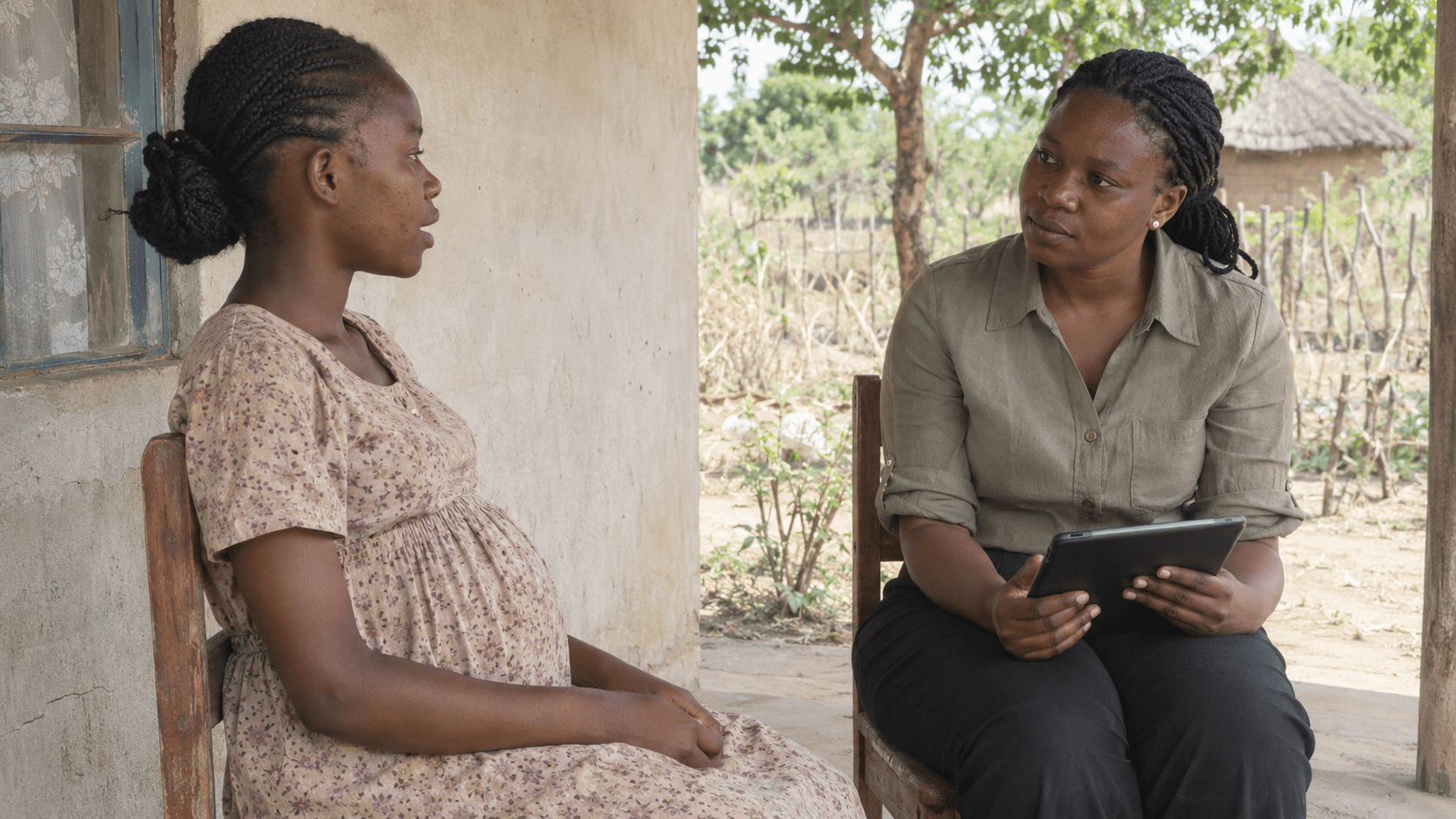
The findings describe pregnancy experience among teenagers interviewed during the survey period. They do not mean that nearly a quarter of teenage girls were pregnant at the same time.
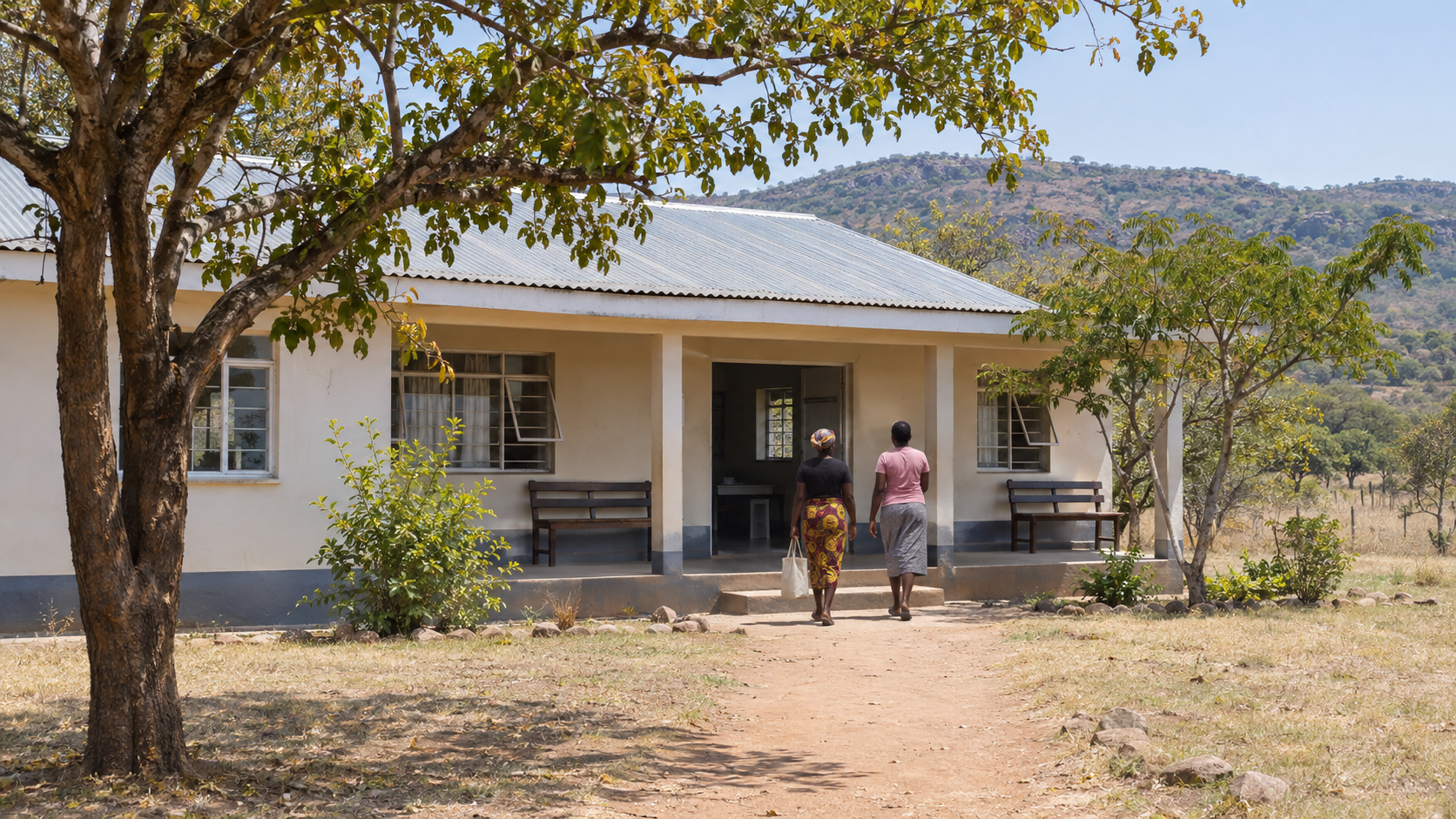
Conducted by ZimStat in collaboration with the Ministry of Health and Child Care and development partners, the survey’s key findings were publicly launched in June 2025.
A wide rural–urban gap
About 30% of girls aged 15–19 in rural areas reported having been pregnant, compared with about 15% in urban areas. The rural proportion was roughly twice the urban figure.
UNFPA’s account of the survey launch identified Mashonaland Central as having the highest provincial proportion, at about 37%. Bulawayo had the lowest, at about 13%.
The differences between communities raise questions about access to reproductive healthcare, education and support for young mothers.
These differences describe the pattern among respondents. They do not, on their own, establish why pregnancy was more common in one province or between rural and urban communities.
The figures also need to be read alongside the teenagers’ ages. The survey groups together girls aged 15 through to young women aged 19, whose circumstances and pregnancy histories can differ considerably.
National and provincial averages therefore provide a starting point for understanding the issue, rather than an explanation of every teenager’s experience.
What “ever pregnant” means
The survey distinguishes between having previously given birth, being pregnant when interviewed and having experienced a pregnancy loss.
About 17% of respondents aged 15–19 had given birth, 6% were pregnant when interviewed and 3% had experienced a pregnancy loss. These categories can overlap and should not be added together.
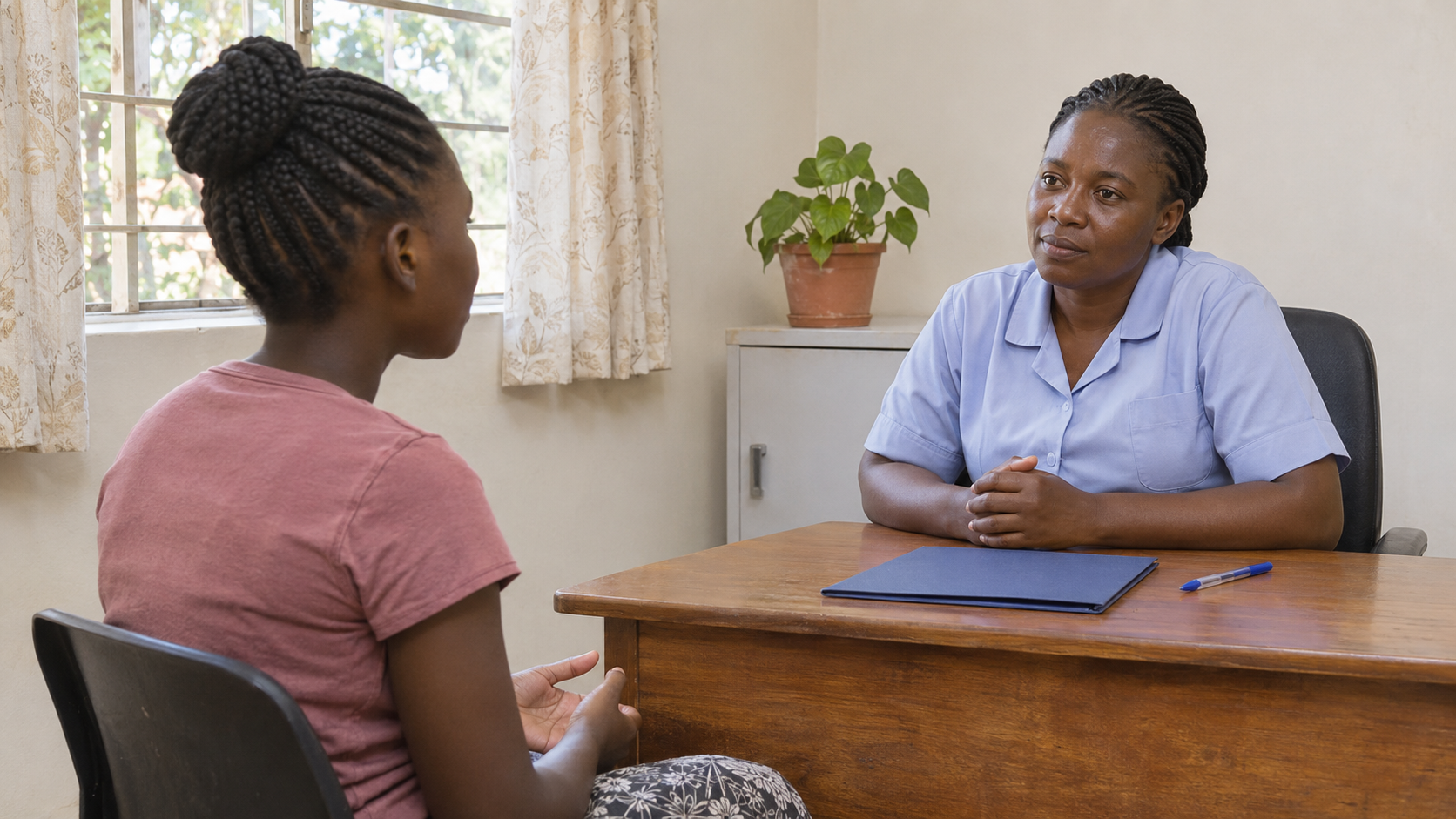
A teenager who had previously given birth could also have been pregnant again when interviewed. Someone who had experienced a pregnancy loss would also count towards the proportion who had ever been pregnant.
The national figure should consequently not be described as the proportion who are mothers, or as the proportion currently pregnant.
It also should not be compared directly with an earlier “begun childbearing” figure without checking whether the definitions match.
The findings provide a basis for questions about access to reproductive healthcare, school attendance and support for young mothers. They do not establish whether a particular programme has succeeded or failed.
Further reporting is needed on how services reach teenagers in the provinces with the highest recorded proportions, and on the experiences of girls seeking to remain in or return to education.
Sources & reporting
The Granite Post Zimbabwe verifies documents, interviews sources and checks official records before publication. Our editorial standards explain what we require before a story runs.
Read our editorial standards
Related Articles


Join the discussion
Share your view.
No comments yet. Be the first.