
GSU Innovation Complexes Target Mineral Beneficiation and Agricultural Growth Under NDS2
In short
- GSU Innovation Complexes Target Mineral Beneficiation and Agricultural Growth Under NDS2
- By Simba Zimunya
- Gwanda State University (GSU) has commissioned two innovation facilities aimed at strengthening Zimbabwe’s capacity in mineral beneficiation, agricultural research and industrial development.
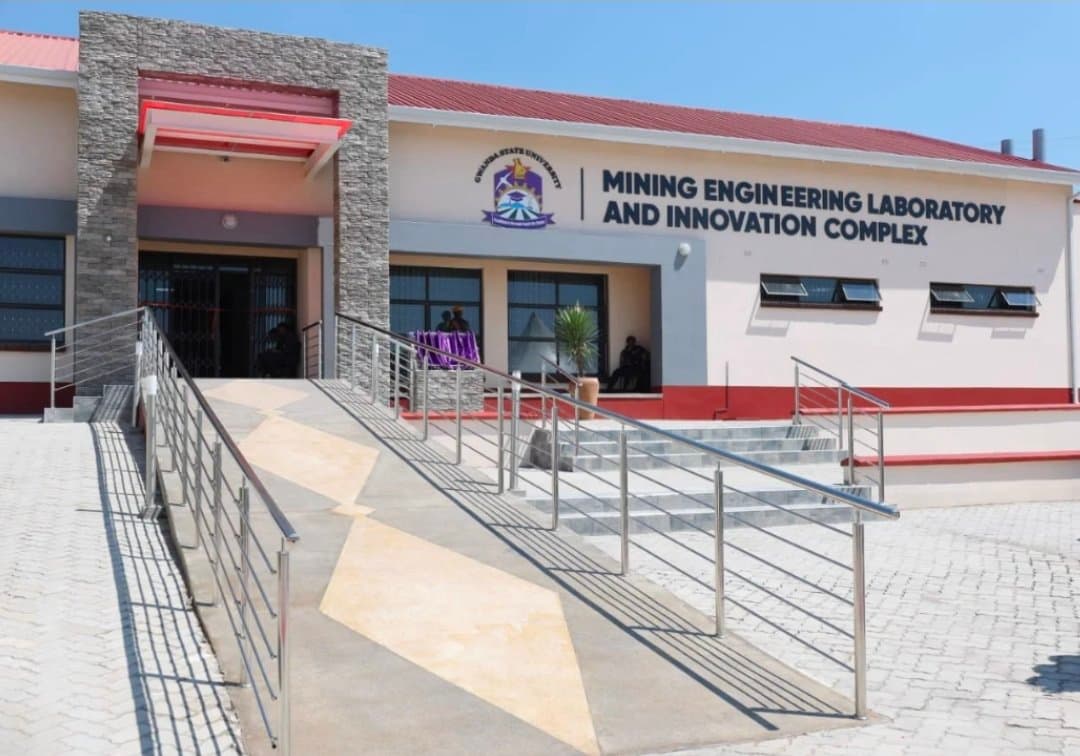
- President Emmerson Mnangagwa commissioned the Mining Engineering Laboratory and Innovation Complex and the Agro-Innovation Complex during the university’s fifth graduation ceremony, where 104 students graduated.
- The facilities are expected to strengthen the connection between higher education, scientific research and industry by providing platforms for practical training, technological innovation and research into challenges affecting Zimbabwe’s productive sectors.
- Their development comes as the country implements the National Development Strategy 2 (NDS2), which prioritises productivity, value addition, beneficiation, agricultural modernisation and industrialisation between 2026 and 2030.
- Mining innovation could strengthen mineral beneficiation
- The Mining Engineering Laboratory and Innovation Complex is expected to contribute to the development of technical expertise and research within Zimbabwe’s mining sector.
- The facility is particularly relevant to Matabeleland South, a province with significant mineral resources, including gold.
- Zimbabwe has long sought to move beyond exporting raw minerals by expanding local processing and beneficiation. Achieving this requires specialised skills, appropriate technologies, research capacity and investment in processing infrastructure.
- Through practical training and research, GSU's mining complex has the potential to support the development of local solutions to mining challenges.
- Small-scale miners could also benefit from improved technical knowledge and research-based approaches to mining operations.
- Stronger collaboration between universities, mining companies and local miners could help develop homegrown technologies, improve mining practices and increase the value derived from the country's mineral resources.
- However, the facility's contribution to mineral beneficiation will depend on its research capacity, industry partnerships and the extent to which innovations are adopted commercially.
- Agro-Innovation Complex targets food security and agricultural productivity
- Agriculture remains central to Zimbabwe’s economy, supporting household livelihoods, food security and industries that depend on agricultural raw materials.
- The Agro-Innovation Complex is intended to strengthen research and practical innovation aimed at improving agricultural production and modernising farming systems.
- Through collaboration with farmers, researchers and industry, the facility could contribute to the development of technologies and farming methods suited to local conditions.
- Research in areas such as improved crop varieties, climate resilience and agricultural production could help address some of the challenges facing farmers.
- Beyond increasing agricultural output, innovation could also support agro-processing and manufacturing by improving the availability and quality of locally produced raw materials.
- This is important for reducing post-harvest losses, strengthening agricultural value chains and creating opportunities for local processing.
- The long-term impact will depend on whether research findings can be translated into affordable technologies and practical solutions accessible to farmers and agricultural businesses.
- Education 5.0 places innovation at the centre of development
- The commissioning of the two complexes also reflects the Government’s Education 5.0 approach, which seeks to connect teaching, research, community service, innovation and industrialisation.
- Under this model, universities are expected to contribute beyond producing graduates by developing knowledge, technologies and solutions that address national development challenges.
- The graduation of 104 students alongside the commissioning of the facilities highlights the importance of combining academic training with practical skills development.
- Graduates equipped with relevant technical knowledge can contribute to sectors such as mining, agriculture, manufacturing and technology.
- Universities can also help bridge the gap between research and industry by working with businesses to develop products, improve production processes and commercialise locally developed innovations.
- The success of this approach will depend on sustained investment in research, equipment, skilled personnel and opportunities for graduates to apply their expertise in the economy.
- NDS2 and Zimbabwe’s industrialisation ambitions
- The two facilities are aligned with the broader objectives of NDS2, which seeks to accelerate economic transformation through increased productivity, industrial growth and value addition.
- In mining, this means developing greater local capacity to process minerals and manufacture products from the country's natural resources.
- In agriculture, it means improving productivity, strengthening food security and expanding agro-processing.
- In education, it means ensuring that universities produce graduates and research outputs that respond to the needs of the economy.
- These priorities are also connected to Zimbabwe’s Vision 2030 ambition of attaining upper-middle-income economy status.
- The commissioning of the GSU facilities represents an investment in the infrastructure needed to support these objectives. However, their economic contribution will ultimately be measured by practical outcomes, including research breakthroughs, technologies developed, industry partnerships, improved production and employment opportunities.
- The broader challenge is to ensure that knowledge generated in universities does not remain confined to academic institutions but becomes part of the country's productive economy.
- As Zimbabwe advances its industrialisation agenda, Gwanda State University’s innovation complexes provide an opportunity to strengthen the role of local research and human capital in national development.
By Simba Zimunya
Gwanda State University (GSU) has commissioned two innovation facilities aimed at strengthening Zimbabwe’s capacity in mineral beneficiation, agricultural research and industrial development.
President Emmerson Mnangagwa commissioned the Mining Engineering Laboratory and Innovation Complex and the Agro-Innovation Complex during the university’s fifth graduation ceremony, where 104 students graduated.
The facilities are expected to strengthen the connection between higher education, scientific research and industry by providing platforms for practical training, technological innovation and research into challenges affecting Zimbabwe’s productive sectors.
GSU's new mining and agricultural innovation complexes are intended to support research, practical skills development and Zimbabwe's industrialisation agenda.
Their development comes as the country implements the National Development Strategy 2 (NDS2), which prioritises productivity, value addition, beneficiation, agricultural modernisation and industrialisation between 2026 and 2030.
Mining innovation could strengthen mineral beneficiation
The Mining Engineering Laboratory and Innovation Complex is expected to contribute to the development of technical expertise and research within Zimbabwe’s mining sector.
The facility is particularly relevant to Matabeleland South, a province with significant mineral resources, including gold.
Zimbabwe has long sought to move beyond exporting raw minerals by expanding local processing and beneficiation. Achieving this requires specialised skills, appropriate technologies, research capacity and investment in processing infrastructure.
Through practical training and research, GSU's mining complex has the potential to support the development of local solutions to mining challenges.
Small-scale miners could also benefit from improved technical knowledge and research-based approaches to mining operations.
Stronger collaboration between universities, mining companies and local miners could help develop homegrown technologies, improve mining practices and increase the value derived from the country's mineral resources.
However, the facility's contribution to mineral beneficiation will depend on its research capacity, industry partnerships and the extent to which innovations are adopted commercially.
Agro-Innovation Complex targets food security and agricultural productivity
Agriculture remains central to Zimbabwe’s economy, supporting household livelihoods, food security and industries that depend on agricultural raw materials.
The Agro-Innovation Complex is intended to strengthen research and practical innovation aimed at improving agricultural production and modernising farming systems.
Through collaboration with farmers, researchers and industry, the facility could contribute to the development of technologies and farming methods suited to local conditions.
Research in areas such as improved crop varieties, climate resilience and agricultural production could help address some of the challenges facing farmers.
Beyond increasing agricultural output, innovation could also support agro-processing and manufacturing by improving the availability and quality of locally produced raw materials.
This is important for reducing post-harvest losses, strengthening agricultural value chains and creating opportunities for local processing.
The long-term impact will depend on whether research findings can be translated into affordable technologies and practical solutions accessible to farmers and agricultural businesses.
Education 5.0 places innovation at the centre of development
The commissioning of the two complexes also reflects the Government’s Education 5.0 approach, which seeks to connect teaching, research, community service, innovation and industrialisation.
Under this model, universities are expected to contribute beyond producing graduates by developing knowledge, technologies and solutions that address national development challenges.
The graduation of 104 students alongside the commissioning of the facilities highlights the importance of combining academic training with practical skills development.
Graduates equipped with relevant technical knowledge can contribute to sectors such as mining, agriculture, manufacturing and technology.
Universities can also help bridge the gap between research and industry by working with businesses to develop products, improve production processes and commercialise locally developed innovations.
The success of this approach will depend on sustained investment in research, equipment, skilled personnel and opportunities for graduates to apply their expertise in the economy.
NDS2 and Zimbabwe’s industrialisation ambitions
The two facilities are aligned with the broader objectives of NDS2, which seeks to accelerate economic transformation through increased productivity, industrial growth and value addition.
In mining, this means developing greater local capacity to process minerals and manufacture products from the country's natural resources.
In agriculture, it means improving productivity, strengthening food security and expanding agro-processing.
In education, it means ensuring that universities produce graduates and research outputs that respond to the needs of the economy.
These priorities are also connected to Zimbabwe’s Vision 2030 ambition of attaining upper-middle-income economy status.
The commissioning of the GSU facilities represents an investment in the infrastructure needed to support these objectives. However, their economic contribution will ultimately be measured by practical outcomes, including research breakthroughs, technologies developed, industry partnerships, improved production and employment opportunities.
The broader challenge is to ensure that knowledge generated in universities does not remain confined to academic institutions but becomes part of the country's productive economy.
As Zimbabwe advances its industrialisation agenda, Gwanda State University’s innovation complexes provide an opportunity to strengthen the role of local research and human capital in national development.
Sources & reporting
The Granite Post Zimbabwe verifies documents, interviews sources and checks official records before publication. Our editorial standards explain what we require before a story runs.
Read our editorial standardsRelated Articles



Join the discussion
Share your view.
No comments yet. Be the first.