
Isn’t it time for Africa to move on from colonial paranoia and accept white leadership?
 By Rebecca Zimera4 min read

*THERE are facts we can no longer afford to ignore.*
Across Southern Africa, a quiet political seismic shift is underway, one that the political establishment is desperately trying to ignore.
In South Africa, the African National Congress has watched its absolute dominance fragment, pinned back by massive voter gains from the opposition Democratic Alliance.
In Zimbabwe, an online political phenomenon is gaining surprising momentum across social media and civic spaces.
At the center of this movement is Brett “Muvheti” Holley, a white businessman whose Varanda VeZimbabwe initiative has captured the imagination of thousands of ordinary citizens.
The column examines the relationship between colonial history, political representation and democratic choice in Southern Africa.
The common thread uniting these two developments is unmistakable.
A rapidly growing portion of the black electorate is no longer voting based on skin color or liberation credentials.
They are voting for pragmatic governance, clean administration, and functional public services.
Yet, whenever the prospect of white political leadership or a white-led party entering high executive office rears its head, the immediate response from ruling elites is a predictable, reflexive panic.
Opponents of the DA in South Africa weaponize racial rhetoric to paint the party as a Trojan horse for apartheid-era privilege.
In Zimbabwe, critics attempt to dismiss Holley as an alien outsider or a imperialist proxy, questioning his very right to participate in the nation’s political life simply because of his heritage.
This institutional paranoia is both outdated and self-sabotaging.
It rests on a fundamental fallacy: that accepting a leader of European descent is somehow a retreat back to colonial subjugation.
Defining true nationality by race or ethnicity is a dangerous folly that reduces citizenship to bloodline rather than belonging and commitment.
Look across the globe, and the absurdity of this anxiety becomes stark.
The United Kingdom—a nation whose identity was historically defined by white heritage—embraced leadership of South Asian descent under Prime Minister Rishi Sunak.
Today, it has elevated black leadership to the highest echelons through Conservative Party leader Kemi Badenoch, positioning her to potentially become the country’s first Black Prime Minister.
Western democracies have demonstrated that political maturity means evaluating leaders by their competence, character, and policy platforms rather than their ancestral origins.
Why should Southern Africa, a region blessed with rich diversity and immense human potential, remain bound by a standard of racial gatekeeping that the rest of the world is steadily leaving behind?
The fear of white leadership in Africa is not a grassroots phenomenon; it is an engineered survival mechanism for liberation-era political elites.
For decades, parties like ZANU-PF and the ANC have relied on the ghosts of colonialism to shield themselves from accountability.
When taps run dry, power grids collapse, and state coffers are looted, the ruling class retreats into the comfortable trench of identity politics.
They tell the public that any vote for an alternative—especially one involving white leadership—is a vote to undo emancipation.
However, ordinary citizens living through these economic crises are increasingly refusing to buy the lie.
Young Africans born decades after the end of minority rule do not view the world through the narrow lens of 20th-century liberation struggles.
They care about employment, economic stability, working hospitals, and transparent government.
If a white politician or a party with strong white representation can deliver those basic rights where decades of post-colonial governance have failed, millions of voters are entirely prepared to hand them the mandate.
Africa cannot claim to be building a modern, democratic future while remaining emotionally held hostage by its past.
To suggest that a black-majority country is too fragile to be governed by a white citizen is not an act of anti-colonial resistance—it is a confession of deep institutional insecurity.
True sovereignty means having the confidence to elect the best candidate for the job, regardless of race.
It is time for the continent to shed this lingering colonial paranoia.
For how long will we remain prisoners of our history?
For how long shall we remain terrified of a ghost that died decades ago?
The voters on the ground are already moving past the racial divide.
It is time for the political elites, commentators, and gatekeepers to catch up and accept that competence has no color.
_● Tendai Ruben Mbofana is a social justice advocate and writer. Please feel free to contact him on +263715667700 or mbofana.tendairuben73@gmail.com_
How we reported this
The Granite Post Zimbabwe verifies documents, interviews sources and checks official records before publication. Our editorial standards explain what we require before a story runs.
Read our editorial standardsAbout the author
Rebecca Zimera is Senior Business and Courts Correspondent at The Granite Post. She reports on money and property in Zimbabwe, covering economic policy, household finances, local government spending and the court cases that decide who owns what
View author profileLatest Updates


Related Articles


Premium
View all Premium →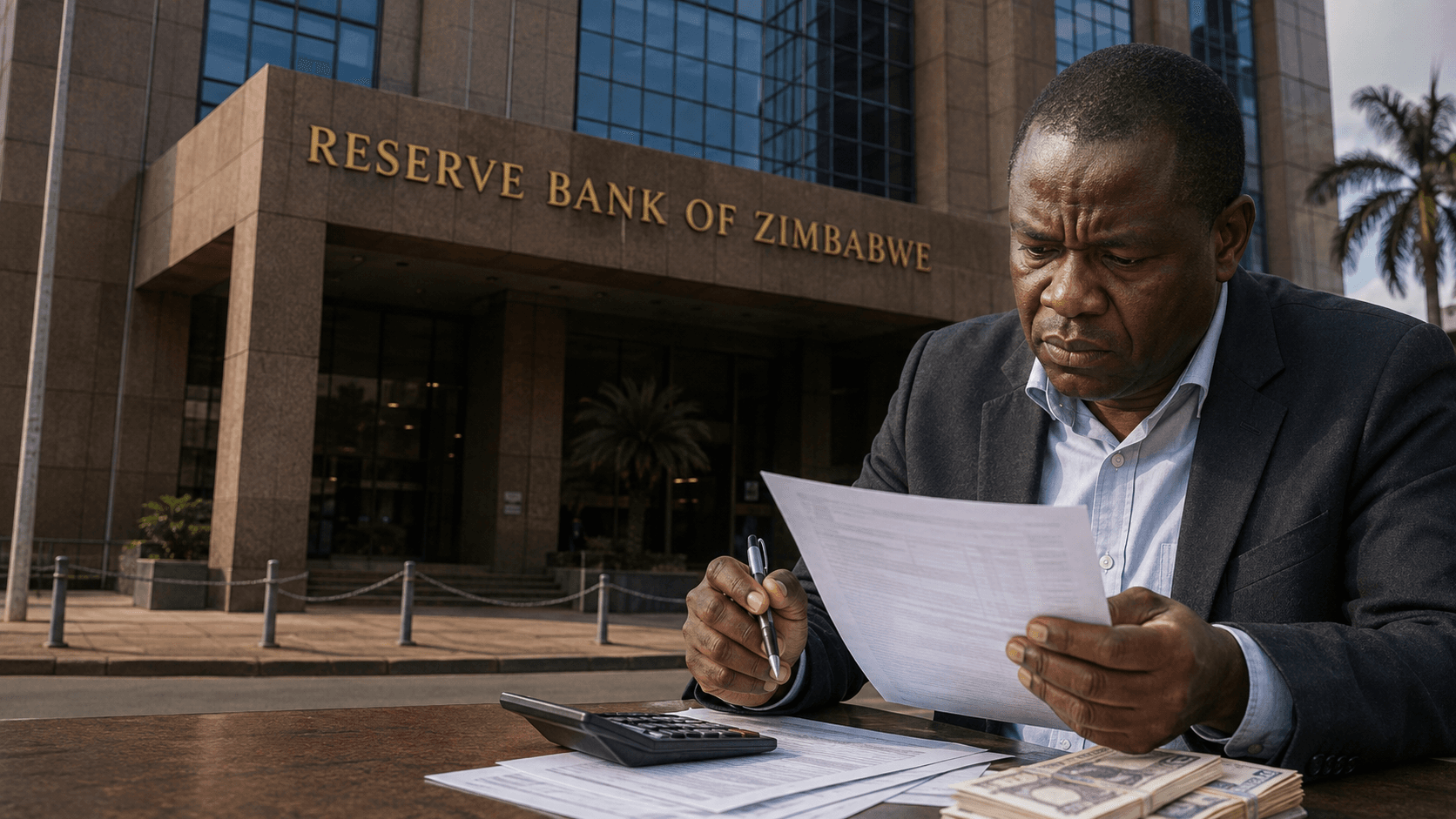
ZiG Inflation Falls to 2.9% but Bank Loans Still Cost Over 40%
Annual ZiG inflation dropped to 2.9% in August, the lowest since independence, 18 April 1980. But the central bank says some banks have not cut lending rates since June, leaving borrowers paying more than 40% while prices barely move.


Support independent journalism
Support our journalismSupport The Granite Post Zimbabwe
Your subscription helps fund investigations, public-interest reporting and deeper Zimbabwe coverage.
More from Rebecca Zimera
View all →
Trending This Week

Will Mabvuku’s new interchange meet tomorrow’s traffic needs?

How Much Does a 5kW Solar System Cost in Zimbabwe? Batteries, Installation and Hidden Costs
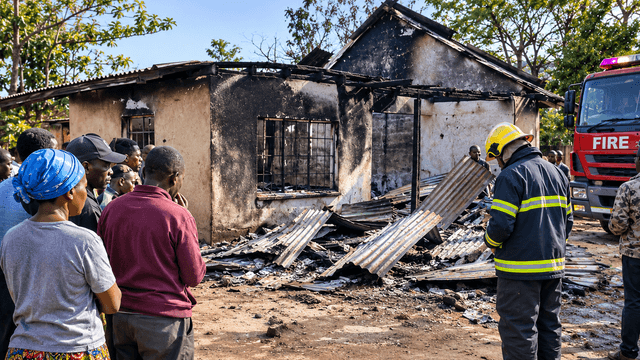
Mutare Father Dies After Saving Family From Chikanga House Fire
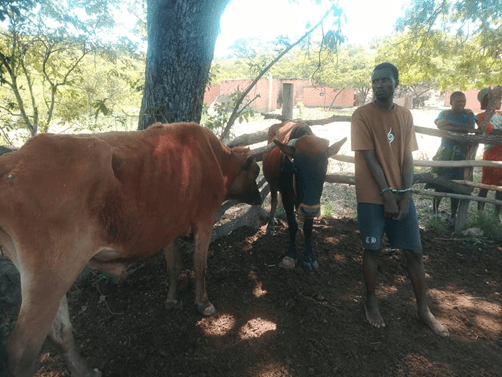
ZRP Arrests 25-Year-Old Suspect Over Stock Theft in Macheke

Bellarmine Chatunga Mugabe and Four Others Arrested Over Assault in Harare
Comments
Join the conversation
Share your view.
No comments yet. Be the first.