
Zimbabwe’s Demolitions: Why Are Ordinary Citizens Paying for a Crisis Created by Land Barons and Failed Oversight?
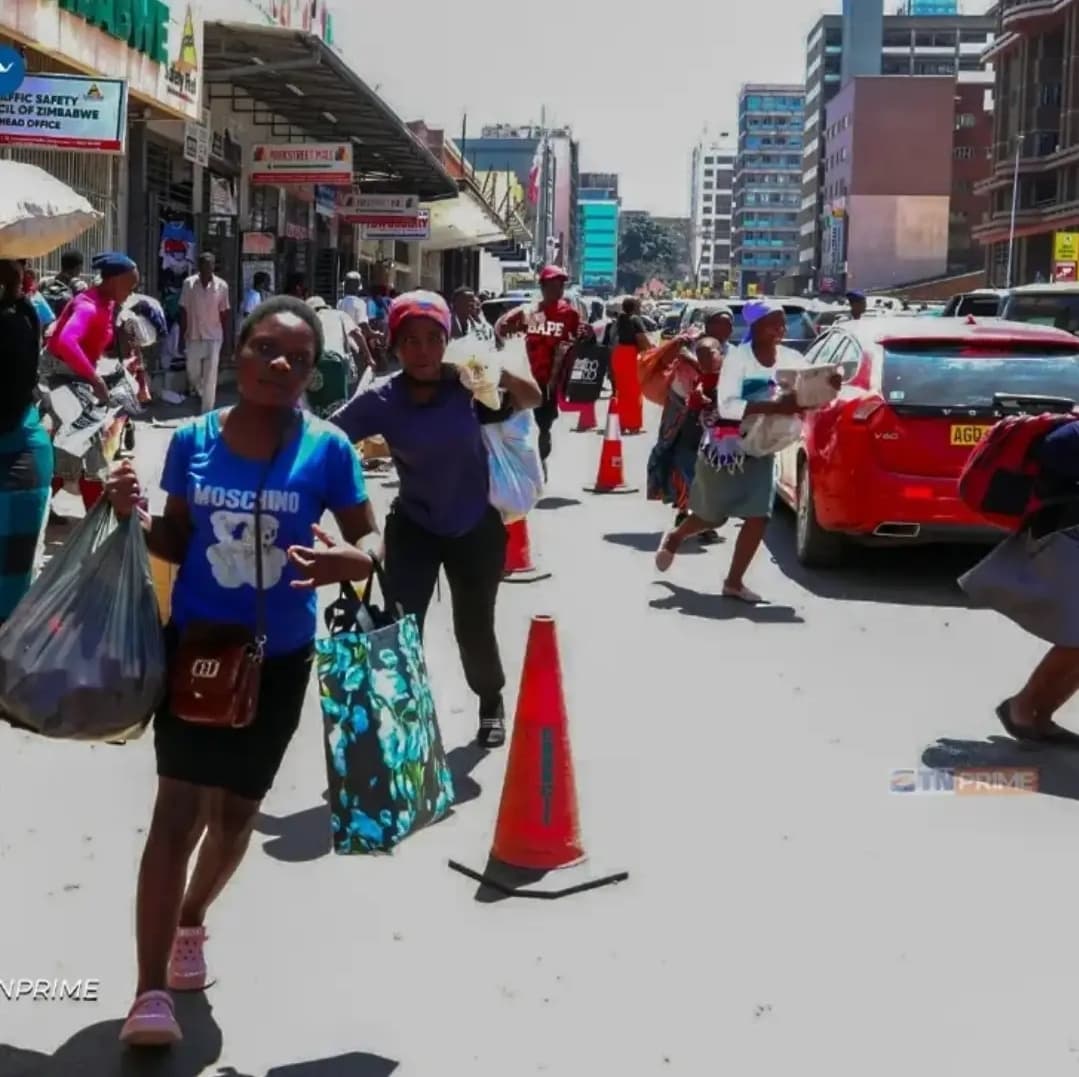
In short
- Zimbabwe’s demolitions have exposed questions about illegal land sales, weak oversight, housing shortages and accountability for those allegedly involved in unlawful allocations.
By Simba Zimunya
For many Zimbabweans, owning a home represents years of sacrifice, savings and hope for a more secure future. Families work for years to raise money for residential stands, purchase building materials and construct houses they believe will provide lasting security.
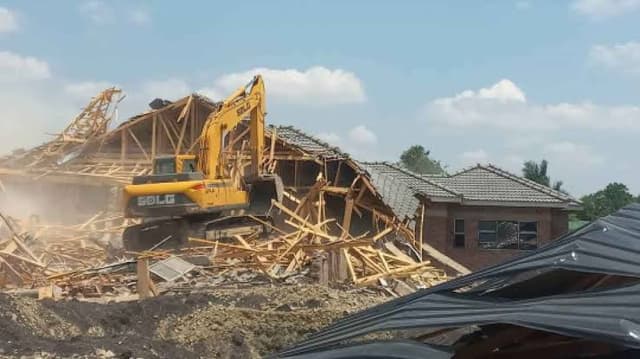
But for some, that dream is ending in rubble.
Across parts of Zimbabwe, demolitions of unlawful structures have reignited a difficult national debate about housing, land administration, corruption, urban planning and the protection of ordinary citizens.
As authorities intensify enforcement against illegal settlements, an uncomfortable question deserves attention: why are families who may have been deceived into purchasing residential stands now facing the destruction of their homes, while the individuals who allegedly sold or facilitated those transactions are not always visibly held accountable?
Without transparent land allocation, affordable housing and accountability, demolitions risk addressing illegal structures without preventing future unlawful developments.
The issue is bigger than demolitions. It is about how Zimbabwe manages land, protects home seekers and holds those responsible for unlawful land dealings accountable.
The Land Baron Problem: Who Sold the Dream?
Zimbabwe’s housing shortage has created opportunities for individuals and syndicates who exploit the desperation of people seeking affordable residential stands.
Some home seekers have reportedly paid substantial amounts to people claiming to represent housing cooperatives, developers or authorities, only to discover later that the land was not legally allocated for residential development.
In August 2026, Harare City Council reported concerns about land invasions, forged documents and illegal developments, including cases involving people allegedly using fraudulent offer letters and other paperwork to justify occupation.
The council also identified land reserved for schools, recreational facilities and other public amenities as areas affected by illegal subdivisions.
These developments raise serious questions about how individuals manage to sell or allocate land without proper approval and why some unlawful developments continue long enough for families to build permanent structures.
If a person can collect money from hundreds of home seekers for land they have no legal authority to sell, the response should not end with demolishing the houses built by those who purchased it.
The individuals who organised, financed and profited from fraudulent transactions must also face investigation and, where evidence establishes wrongdoing, prosecution.
Where Was the Oversight?
Another important issue is the effectiveness of local authority and government oversight.
Illegal settlements do not always emerge overnight. Land is identified, subdivided, marketed, sold and eventually occupied. In some cases, houses are constructed and families move in before enforcement action is taken.
This raises questions about whether authorities have effective systems to identify unlawful land transactions and stop illegal construction before people invest their life savings.
Harare City Council has acknowledged serious legacy problems in land management, linking some of the challenges to the manipulation of the 2004 Parallel Development Policy, which was intended to improve access to affordable housing.
According to the council, land barons manipulated the policy, contributing to illegal settlements that often developed without adequate infrastructure such as roads, water, sewer systems, schools and health facilities.
The council has also said it began efforts to regularise affected settlements in 2017.
These explanations expose a deeper institutional problem: if unlawful developments have persisted for years, why has it been so difficult to prevent them at the point of land allocation and construction?
Effective oversight should prevent citizens from being exposed to fraudulent transactions in the first place, rather than relying mainly on enforcement after houses have been built.
Ordinary Families Are Bearing the Financial and Emotional Cost
The consequences of demolitions go far beyond the physical destruction of buildings.
For a family, a house may represent years of savings, loans, borrowed money and personal sacrifice. Some people may have spent years building one room at a time, hoping to complete a home for their children.
When that structure is demolished, the financial loss can be devastating.
Children may lose the stability of their homes and schools. Families may be forced to seek alternative accommodation, while people who invested their retirement savings or borrowed money to build may have little capacity to start again.
On November 5, 2026, the Zimbabwe Human Rights Commission (ZHRC) raised concerns over the human impact of the ongoing demolitions.
The commission acknowledged the responsibility of government and local authorities to enforce planning laws and protect public spaces, including wetlands. However, it warned that demolitions can cause emotional distress, financial hardship and social disruption, particularly for children, older people and other vulnerable groups.
The commission called for enforcement to follow established legal and administrative procedures and urged authorities to consider measures to reduce the hardship experienced by affected households.
Its position highlights an important point: enforcing the law and protecting human dignity should not be treated as competing responsibilities.
Are Demolitions Addressing the Root Cause?
There is a legitimate argument for enforcing urban planning laws.
Land reserved for schools, hospitals, roads, recreational facilities and other public infrastructure cannot simply be taken over for residential development. Construction on wetlands and other environmentally sensitive areas can also create serious long-term risks.
Authorities cannot allow land allocation and urban development to operate outside the law.
However, demolitions alone cannot solve the problem.
If the people selling illegal stands remain active, if fraudulent allocations are not investigated and if affordable legal housing remains inaccessible, the same crisis can continue to emerge in new locations.
The Zimbabwe Human Rights Commission has called for stronger investigations into fraudulent land sales, unlawful allocations and corruption. It has also urged government and local authorities to improve housing delivery, reduce waiting lists and establish transparent systems for allocating residential stands.
This is a more comprehensive approach because it addresses both the unlawful developments and the conditions that allow them to occur.
The Government and Local Authorities Must Answer Difficult Questions
The ongoing situation demands accountability from every institution involved in land administration.
Who authorised the allocation of disputed land?
Who collected money from home seekers?
Were the relevant authorities aware of the developments before construction began?
Were complaints reported, and what action followed?
Have individuals accused of facilitating illegal land sales been investigated?
These questions should not be ignored.
The City of Harare has stated that it wants to regularise settlements wherever possible rather than demolish homes indiscriminately. In October 2026, council officials said that fewer than 100 properties across the city could be negatively affected under its initial assessment, although the final number would depend on compliance and the status of individual properties.
The council has also distinguished between developments that may qualify for regularisation and structures in sensitive areas that cannot legally be regularised.
This distinction matters. Not every affected household or settlement necessarily has the same legal circumstances, and enforcement decisions should be assessed individually.
What Should Happen Next?
Zimbabwe needs a land management system that protects public spaces while ensuring that ordinary citizens can access affordable and legally allocated residential stands.
First, authorities must investigate suspected land barons and syndicates, trace the money involved and prosecute individuals where sufficient evidence exists.
Second, local authorities must strengthen land allocation systems, improve public access to information and make it easier for home seekers to verify the legal status of residential stands before making payments.
Third, government and local authorities should accelerate the provision of affordable housing. Citizens should not have to choose between remaining without a home and risking their savings in questionable land deals.
Fourth, demolitions must follow the law, with proper procedures, clear communication and reasonable consideration for vulnerable households.
Finally, where authorities or officials are found to have facilitated unlawful allocations or ignored credible warnings, they should also be held accountable.
Conclusion: The People Who Profit Must Not Escape Accountability
Zimbabwe cannot build orderly towns and cities through illegal land allocations. Neither can it achieve sustainable urban development by allowing fraudulent land dealers to exploit people seeking decent homes.
The law must be enforced, public land must be protected and unlawful developments must be addressed. But accountability must extend beyond the families whose houses are being demolished.
A system that removes illegal structures without adequately investigating those who allegedly sold the land risks treating the consequences while leaving the causes untouched.
Ordinary citizens should not become the easiest targets in a crisis involving land administration, housing shortages and alleged unlawful dealings.
If a family loses its home because it purchased land through an illegal scheme, the country must also ask what happened to the person who sold that land, the people who facilitated the transaction and the institutions responsible for preventing it.
The bulldozers may remove the structures, but unless the land system itself is fixed, Zimbabwe risks repeating the same painful cycle.
How we reported this
The Granite Post Zimbabwe verifies documents, interviews sources and checks official records before publication. Our editorial standards explain what we require before a story runs.
Read our editorial standardsAbout the author
Simba Zimunya reports for The Granite Post, focused on accountability and public-interest journalism.
View author profileLatest Updates

Business & Economy
Taguta Business Centre Officially Opens in Manicaland
Business & Economy
Zimbabwe–China Trade Growth Opens New Doors for Local BusinessesRelated Articles




Premium
View all Premium →
ZiG Inflation Falls to 2.9% but Bank Loans Still Cost Over 40%
Annual ZiG inflation dropped to 2.9% in August, the lowest since independence, 18 April 1980. But the central bank says some banks have not cut lending rates since June, leaving borrowers paying more than 40% while prices barely move.


Support independent journalism
Support our journalismSupport The Granite Post Zimbabwe
Your subscription helps fund investigations, public-interest reporting and deeper Zimbabwe coverage.


Comments
Join the conversation
Share your view.
No comments yet. Be the first.