
Zimbabwe–China Trade Growth Opens New Doors for Local Businesses
By Simba Zimunya
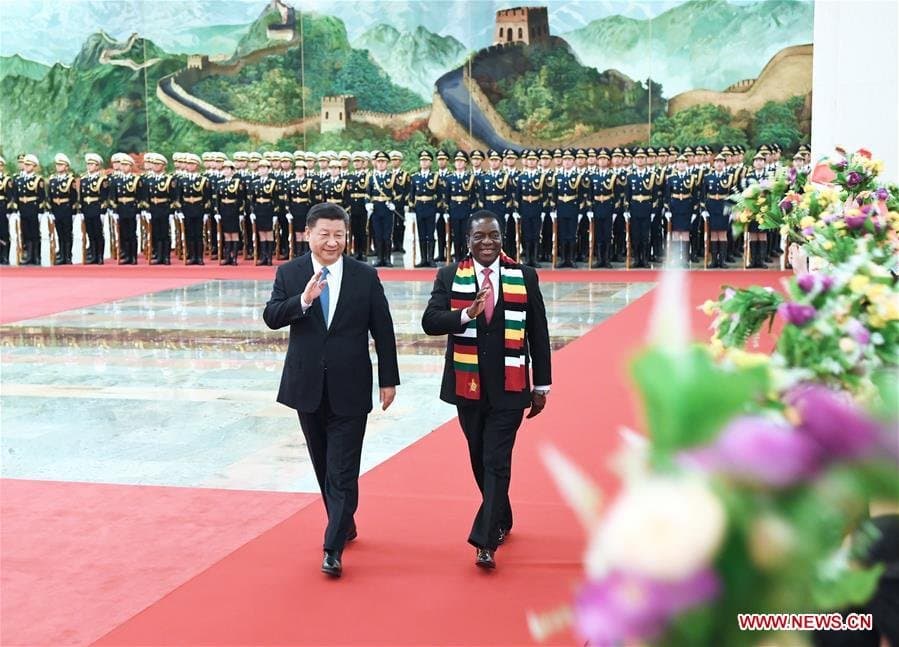
Zimbabwe's growing trade relationship with China is creating fresh opportunities for local businesses seeking access to international markets, as bilateral trade between the two countries continues to expand.
Trade between Zimbabwe and China reached approximately US$5.01 billion during the first nine months of 2026, representing a 51.6 percent increase compared with the same period last year, according to China Customs data cited by the Chinese Embassy in Zimbabwe.
The growth comes as 17 Zimbabwean companies participate in the ninth China International Import Expo (CIIE), taking place in Shanghai from November 5 to 10, 2026.
The delegation, led by ZimTrade, Zimbabwe's national trade development and export promotion organisation, includes businesses from sectors such as horticulture, manufacturing, handicrafts, leather, construction, tourism and e-commerce.
The exhibition provides local companies with an opportunity to showcase Zimbabwean products, engage potential international buyers, establish business partnerships and explore opportunities in the Chinese market.
GROWING TRADE RELATIONS
China has become one of Zimbabwe's important trading partners, with the latest figures highlighting the expanding commercial relationship between the two countries.
Zimbabwe's exports to China include tobacco, minerals and agricultural products, while imports from China include machinery, electrical equipment and manufactured goods.
According to figures reported by the Chinese Embassy, Zimbabwe's tobacco exports to China reached US$860 million during the first nine months of 2026, an increase of 9.3 percent compared with the corresponding period last year.
Another development is the entry of Zimbabwean blueberries into the Chinese market for the first time in July 2026, creating an additional export destination for the country's horticultural industry.
CHINA'S ZERO-TARIFF POLICY PRESENTS NEW OPPORTUNITIES
Zimbabwean exporters are also seeking to benefit from China's expanded zero-tariff arrangements for African countries with which it maintains diplomatic relations.
The policy, which took effect on May 1, 2026, provides preferential market access for qualifying products from 53 African countries.
For Zimbabwean businesses, this creates opportunities to explore the Chinese market with a wider range of agricultural products, processed foods, leather goods and manufactured products.
However, accessing the market requires businesses to meet applicable quality standards, food-safety requirements, customs procedures and rules of origin.
CAN LOCAL BUSINESSES TURN TRADE GROWTH INTO REAL BENEFITS?
While the increase in bilateral trade reflects expanding economic ties, the bigger challenge is ensuring that Zimbabwean businesses benefit meaningfully from the relationship.
Participation in international exhibitions can help local companies identify buyers and establish commercial partnerships. However, the real measure of success will be whether these engagements translate into actual export orders, sustainable supply agreements, increased production and employment opportunities.
There is also a need to diversify Zimbabwe's export basket beyond traditional commodities such as tobacco and minerals.
Expanding exports of processed agricultural products, finished leather goods, manufactured products and other value-added goods could allow local businesses to capture more value from international trade.
SUPPORTING ZIMBABWE'S DEVELOPMENT GOALS
The growing trade relationship with China and Zimbabwe's participation in the import expo align with the country's broader economic ambitions under National Development Strategy 2 (NDS2), covering the 2026–2030 period, and Vision 2030.
These development frameworks emphasise export growth, industrialisation, investment attraction, value addition and economic transformation.
For local businesses, the opportunity is to move beyond simply attending international exhibitions and develop the production capacity, quality standards and distribution networks required to compete in global markets.
As Zimbabwe strengthens its commercial engagement with China, the challenge will be turning growing trade figures and international partnerships into tangible benefits for local producers, workers and the wider economy.
How we reported this
The Granite Post Zimbabwe verifies documents, interviews sources and checks official records before publication. Our editorial standards explain what we require before a story runs.
Read our editorial standardsAbout the author
Simba Zimunya reports for The Granite Post, focused on accountability and public-interest journalism.
View author profileLatest Updates



Related Articles





Premium
View all Premium →
ZiG Inflation Falls to 2.9% but Bank Loans Still Cost Over 40%
Annual ZiG inflation dropped to 2.9% in August, the lowest since independence, 18 April 1980. But the central bank says some banks have not cut lending rates since June, leaving borrowers paying more than 40% while prices barely move.

Support independent journalism
Support our journalismSupport The Granite Post Zimbabwe
Your subscription helps fund investigations, public-interest reporting and deeper Zimbabwe coverage.



Comments
Join the conversation
Share your view.
No comments yet. Be the first.