
Opinion & Analysis
Why Zimbabwe's Youth Are Struggling to Find Jobs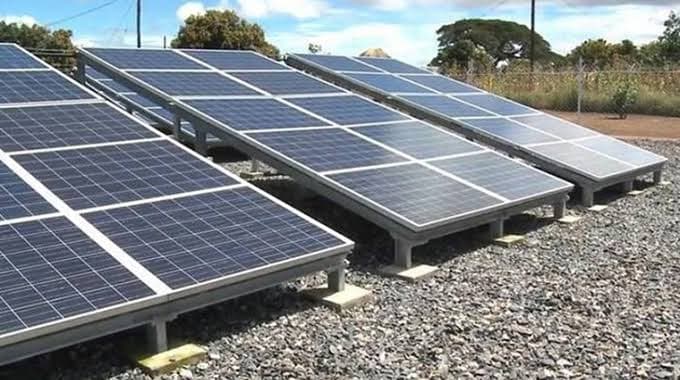
Tatanga Energy and Modaso Energy have announced a proposed US$300 million wind, solar and battery project in Guruve-Mazowe, with financial close targeted for mid-2027 and commercial operations expected in 2029.
The development, announced at the Zimbabwe-Zambia Energy Projects Summit on November 3, would combine 128MW of wind generation and 100MW of solar generation in the Chikonyora area of Mashonaland Central.
A separate battery system is specified at 50MW with 100MWh of storage. The distinction matters: the project’s generation capacity is 228MW, while the battery’s power rating describes how quickly stored electricity can be delivered. Adding the battery rating does not create 278MW of generating capacity.
The proposed plant would use a single 100MW grid connection. That connection capacity is also distinct from the combined ratings of its wind turbines and solar panels, whose output will vary over time.
The proposal could diversify electricity supply, but planned capacity should not be counted as power already available to consumers.
Developers project annual production of about 550GWh. That is a forecast for a completed, operating facility, rather than electricity already supplied to the national grid.
Tatanga originated the project and has handled local development work, including engagement on land, communities and permitting. Its earlier project page described a 100MW wind scheme, reflecting an earlier configuration than the hybrid proposal announced this week.
The latest announcement identifies Modaso, part of MISA Group, as a development partner. Standard Bank is reported to have been appointed to arrange debt, while ZESA is expected to be the principal buyer under a planned power-purchase arrangement.
Zim GreenCo is also identified as a prospective buyer and trader through a separate agreement framework. These arrangements concern the route to financing and sales; they should not be described as evidence that construction funding has already been fully drawn down.
Battery storage is intended to help manage differences between generation and demand, rather than make wind and sunshine constant. The project’s contribution to dependable supply will ultimately depend on its operating design, grid connection and actual performance.
For electricity users, the immediate development is the announcement of a proposed investment and its timetable. Financial close, construction, testing and commissioning remain milestones to be completed before the facility can supply power.
The 2029 operating target places the scheme within a longer-term expansion of electricity supply. It is not an announcement of additional generation available for this year’s households or businesses.
The Granite Post Zimbabwe verifies documents, interviews sources and checks official records before publication. Our editorial standards explain what we require before a story runs.
Read our editorial standardsNews and practical explainers on the developments shaping everyday life in Zimbabwe, from connectivity and business to public services and opportunities.
View author profile





Annual ZiG inflation dropped to 2.9% in August, the lowest since independence, 18 April 1980. But the central bank says some banks have not cut lending rates since June, leaving borrowers paying more than 40% while prices barely move.
Your subscription helps fund investigations, public-interest reporting and deeper Zimbabwe coverage.




Comments
Join the conversation
Share your view.
No comments yet. Be the first.