
Where are families supposed to sleep after their homes are demolished?
In short
- The reported Warwick Farm evictions and displacement require independent verification.
- Any response must address immediate shelter needs alongside the facts and terms of the eviction.
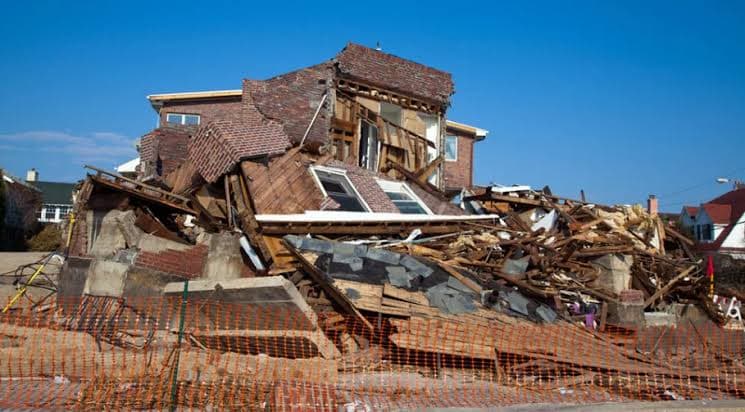
A house can be demolished in hours. The family that lived inside it still needs somewhere to sleep that night.
That is the question raised by reports of demolitions and evictions at Warwick Farm near Lake Chivero, where families are said to have had their household belongings deposited along Oatlands Road.
The account remains unverified. The number of people affected, the circumstances of the operation and the terms of any court order need to be established. Those gaps matter, and nobody should use them to declare residents unlawful occupiers or accuse another party of wrongdoing without evidence.
But the reported displacement raises a question that deserves attention: what happens to people after they lose their shelter?
The consequences of losing shelter extend to safety, livelihoods and access to school and work.
For a family facing eviction, the immediate concerns are practical. Where will they sleep? Where can they keep their furniture and documents? How will they reach work or school the following morning?
A roadside cannot answer those questions.
Property disputes require lawful resolution. Owners have interests that deserve protection, and court decisions cannot simply be ignored. Yet the enforcement of an eviction should be accompanied by serious attention to its human consequences.
Even where an eviction is authorised, there should be clarity about the notice given, the people affected and the arrangements for anyone facing immediate homelessness. Authorities should establish whether vulnerable residents need assistance and explain who is responsible for providing it.
These questions should be addressed before trucks arrive.
The Warwick Farm report also demands careful scrutiny. The relevant court documents should establish precisely what was authorised. Residents should have an opportunity to explain their circumstances. The party seeking possession should explain its position. Officials should clarify whether demolition formed part of the operation and what assistance, if any, was available.
Without that information, public anger risks running ahead of the facts. Without scrutiny, however, displaced families risk disappearing from attention as soon as the trucks leave.
Both failures are avoidable.
Zimbabwe’s housing disputes must be examined beyond the moment a structure comes down. Where people paid for land or received assurances that they could settle, those transactions and promises deserve investigation. Where occupation was disputed, the history of that dispute should be explained.
None of those circumstances has yet been established in this case. They are questions for reporting, not conclusions to invent.
For now, the most urgent issue is whether families have somewhere safe to stay. Establishing that should be a priority alongside obtaining the documents and accounts needed to explain what happened.
If the reported scenes along Oatlands Road are confirmed, the response must extend beyond clearing the land.
The trucks may leave. The families still need somewhere to go.
How we reported this
The Granite Post Zimbabwe verifies documents, interviews sources and checks official records before publication. Our editorial standards explain what we require before a story runs.
Read our editorial standardsAbout the author
News and practical explainers on the developments shaping everyday life in Zimbabwe, from connectivity and business to public services and opportunities.
View author profileLatest Updates



Related Articles





Premium
View all Premium →
ZiG Inflation Falls to 2.9% but Bank Loans Still Cost Over 40%
Annual ZiG inflation dropped to 2.9% in August, the lowest since independence, 18 April 1980. But the central bank says some banks have not cut lending rates since June, leaving borrowers paying more than 40% while prices barely move.


Support independent journalism
Support our journalismSupport The Granite Post Zimbabwe
Your subscription helps fund investigations, public-interest reporting and deeper Zimbabwe coverage.




Comments
Join the conversation
Share your view.
No comments yet. Be the first.