Zimbabwe Keeps Declaring Disasters. It Never Prevents Them
 By Prosper Makunike4 min read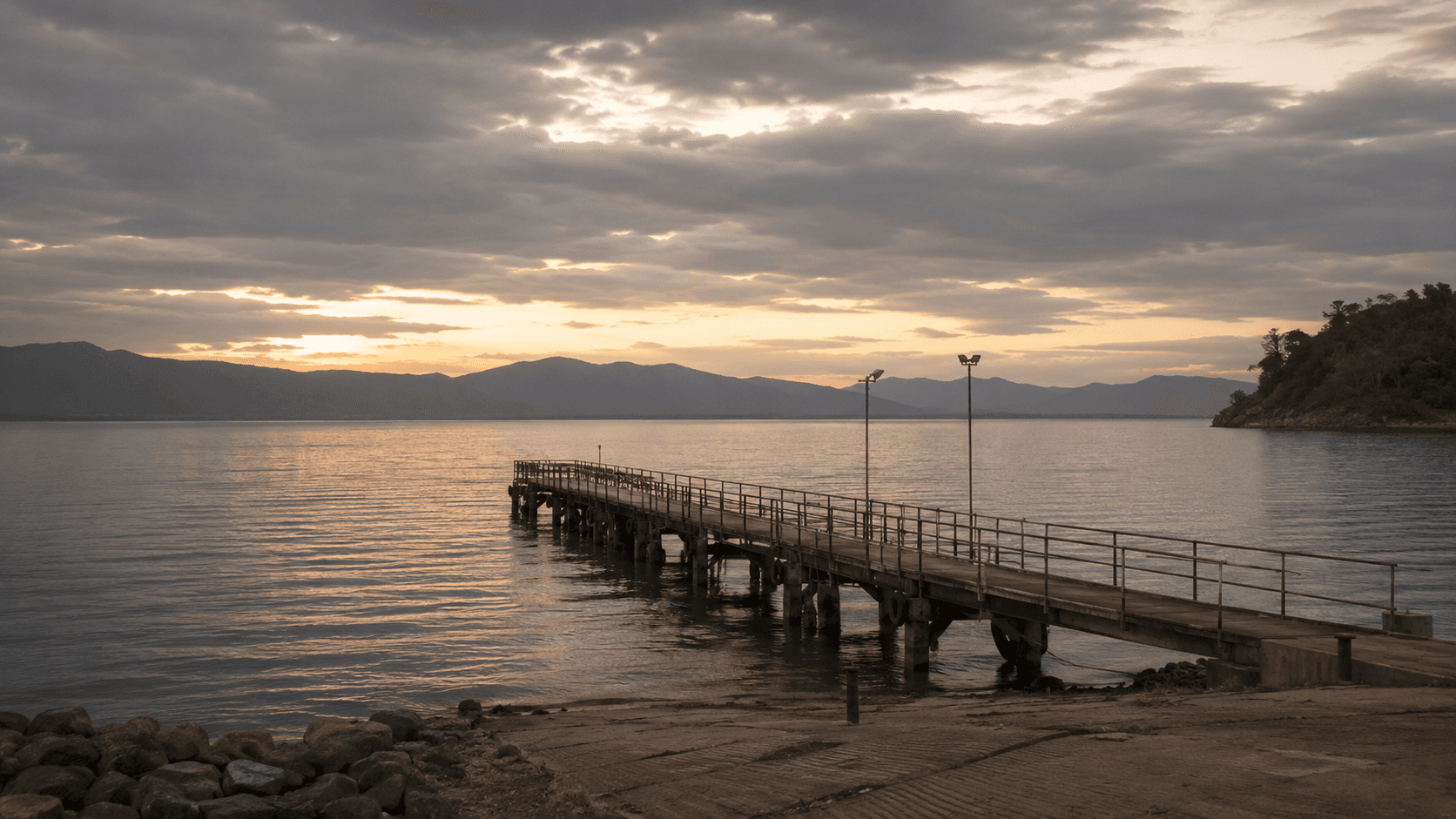
There is a script Zimbabwe follows every time mass tragedy strikes, and it rarely changes. A vehicle carrying far more people than it should overturns, capsizes or crashes. The president declares a national disaster. Funds are pledged for burials. Officials promise reform. Then, in time, the country moves on, until the next one.
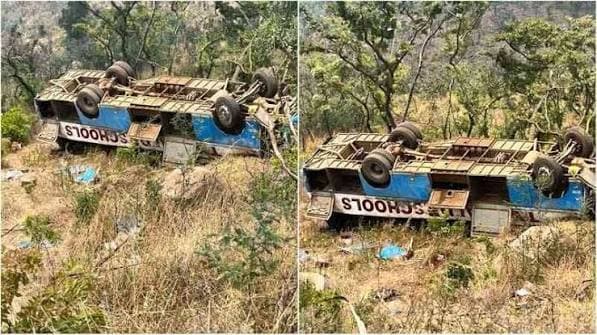
We are living through that script again. The Mbuya Nehanda ferry, a 41-year-old vessel operated by the Rural Infrastructure Development Agency, capsized on Lake Kariba on August 11 carrying nearly twice its licensed capacity. Ninety-seven people are now confirmed dead. It is the worst transport disaster in the country's history, a record that had belonged, for 35 years, to the Nyanga bus disaster of 1991, in which 89 schoolchildren, teachers and a driver died after an overloaded bus left a mountain road in Manicaland.
Read those two sentences again. Two of Zimbabwe's deadliest disasters, more than three decades apart, share the same root cause. Too many people. Not enough vehicle. Not enough oversight to stop it before it happened.
This is not a coincidence. It is a pattern, and patterns are, by definition, things we should have learned to interrupt.
In 1991, investigators found the Nyanga bus was carrying roughly 100 people against a stipulated limit of 75. Survivors said the driver ignored warnings to slow down. President Robert Mugabe called it a national disaster and promised to fix the state of the country's ageing bus fleet. In 2026, the Mbuya Nehanda was licensed for 90 passengers but was carrying, by the government's own account, around 180 people and cargo. Passengers reportedly asked to turn back as weather worsened. They were not heard. President Emmerson Mnangagwa called it a national disaster and said it had exposed gaps in the country's maritime safety capacity.
The vocabulary of government response has not changed in 35 years. What should worry us is that neither, apparently, has the underlying failure.
It would be easy, and largely correct, to point at the individuals closest to each tragedy: a driver who would not slow down, a crew that did not turn back. But blaming the person at the wheel lets the system that put them there off the hook. A 41-year-old ferry does not remain in service on a major transport route without someone signing off on its continued licensing, year after year. A vessel does not carry double its rated capacity without operators, regulators, or both, deciding that the rule mattered less than the revenue or the demand.
Former Foreign Affairs minister Walter Mzembi has already said publicly that the Mbuya Nehanda should never have been licensed to operate on Kariba's waters at all. If that is true, and if it takes a former Cabinet minister to say it after 97 people have died, then the machinery meant to catch that risk before it became a tragedy simply is not working.
Zimbabwe does not lack laws about vehicle capacity, licensing or maritime safety. What it appears to lack is the institutional will to enforce those laws when enforcement is inconvenient, whether because a state agency needs the revenue an overloaded vessel brings in, or because a remote community has no real alternative and will board the ferry anyway, rules or no rules.
That last point deserves honesty rather than deflection. The Chalala route exists because road access to that part of the country is poor, and because the ferry fare is a fraction of the cost of travelling by road. Communities along Lake Kariba did not board an overloaded boat out of recklessness. They boarded it because it was the only practical way to reach markets, hospitals, and each other. Any accountability that stops at blaming passengers, or even a single crew, ignores that the state built the conditions under which an unsafe choice became the only affordable one.
What should follow now is not another round of condolences that fade by the next news cycle. It should be a public, transparent account of who licensed the Mbuya Nehanda in its current condition, who inspected it last, and why a vessel carrying double its capacity was allowed to leave shore into worsening weather. It should also mean investment in safer, more affordable transport options for communities that have none, so the next family boarding an overloaded vehicle is not choosing between an unsafe option and no option at all.
Zimbabwe has proven, twice now in the space of one generation, that it knows how to grieve a disaster with genuine, national sorrow. What it has not yet proven is that it knows how to prevent the next one. Until it does, the country will keep adding names to a list it never seems willing to actually shorten.
How we reported this
The Granite Post Zimbabwe verifies documents, interviews sources and checks official records before publication. Our editorial standards explain what we require before a story runs.
Read our editorial standardsAbout the author
Prosper Makunike is a Staff Writer at The Granite Post covering Zimbabwean news, public affairs, business and major national developments. He reports on stories affecting communities across the country, with a focus on clear, factual and accessible journalism.
View author profileLatest Updates


Business & Economy
Harare to open COMESA business programme ahead of Thursday summit
Related Articles



Premium
View all Premium →
ZiG Inflation Falls to 2.9% but Bank Loans Still Cost Over 40%
Annual ZiG inflation dropped to 2.9% in August, the lowest since independence, 18 April 1980. But the central bank says some banks have not cut lending rates since June, leaving borrowers paying more than 40% while prices barely move.

Support independent journalism
Support our journalismSupport The Granite Post Zimbabwe
Your subscription helps fund investigations, public-interest reporting and deeper Zimbabwe coverage.





Comments
Join the conversation
Share your view.
No comments yet. Be the first.