
The Nyanga Bus Disaster: Zimbabwe's Deadliest Wreck Before Kariba
 By Prosper Makunike3 min read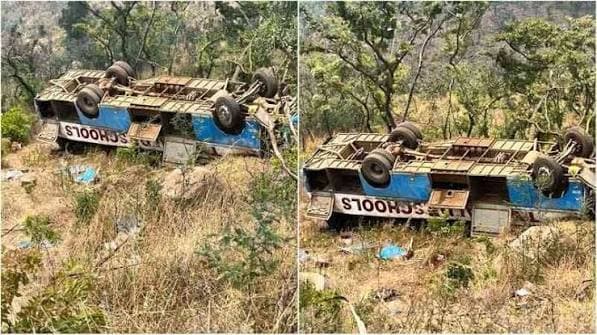
NYANGA - On the night of August 3, 1991, a bus carrying schoolchildren home from a sports competition left the road in the Nyanga mountains and plunged into a ravine, killing 89 people in what became known as the Nyanga bus disaster, Zimbabwe's worst road accident until this month's Kariba ferry tragedy took that grim record.
The bus belonged to Regina Coeli Secondary School and was returning from a regional Catholic schools sports competition held at St Killian's Mission near Rusape. It was carrying about 98 students aged 13 to 15, along with teachers and the driver, on the winding Nyanga-Ruwangwe road toward Nyamaropa, where the school is located.
Survivors later said the driver had been speeding on the mountain curves and ignored repeated pleas to slow down. A motorist who had been driving behind the bus reportedly warned the driver while both vehicles stopped to refuel at a service station along the route, but the warning went unheeded. One survivor, Ignatius Bukuta, told local media years later that the driver dismissed the students' concerns, citing what he described as his experience navigating difficult mountain terrain elsewhere in the country.
The bus was also overloaded. Reports at the time said it was carrying roughly 100 people against a stipulated limit of 75. Some accounts say the vehicle lost its brakes before it left the road at the 32-kilometre peg along the route, careened off the mountainside and overturned into a ravine below.
Of the dead, 82 to 83 were schoolchildren, alongside five teachers and the driver. Only a handful of passengers survived, some of them seriously injured, including a student teacher who was airlifted to hospital and later described the final hour of the journey to reporters. Then-President Robert Mugabe declared the crash a national disaster, ordered government funds for burials and compensation for affected rural families, and pledged reforms to Zimbabwe's ageing and poorly regulated bus fleet.
At the time, officials pointed to a chronic shortage of foreign currency that had kept the country's bus operators from replacing ageing vehicles, along with a shortage of tyres and spare parts across the transport sector. The bus operator involved, B & C Bus Services, had been a prominent operator in Manicaland since the 1950s. Its operations declined in the years following the disaster amid the reputational damage and subsequent management changes.
The crash site became known locally as the "dark spot," and the names of those who died are engraved at Regina Coeli Mission, where survivors and relatives still gather each August to mark the anniversary. Many of the students who died would be in their late forties or fifties today had they lived. Recent anniversary reports have noted that some of the same conditions blamed for the 1991 crash, overloaded vehicles and poorly maintained roads, persist on Zimbabwe's highways more than three decades later.
For 35 years, Nyanga stood alone as the reference point for transport tragedy in Zimbabwe, a warning about overloading, poor vehicle maintenance and reckless driving. That changed this month. The Mbuya Nehanda ferry disaster on Lake Kariba, which has now killed 97 people since it capsized on August 11, has overtaken Nyanga as the country's deadliest transport accident on record.
The parallels between the two tragedies have not gone unnoticed. Both involved state-linked or licensed transport carrying far more passengers than permitted. Both involved warnings from passengers or bystanders that were reportedly ignored before disaster struck, and both prompted a president to declare a national disaster and promise reform of the sector involved.
Whether those lessons will be applied more successfully this time remains an open question. Investigations into the Kariba disaster are ongoing, and no findings have yet been made public on accountability for the vessel's licensing or its decision to sail into deteriorating weather.
How we reported this
The Granite Post Zimbabwe verifies documents, interviews sources and checks official records before publication. Our editorial standards explain what we require before a story runs.
Read our editorial standardsAbout the author
Prosper Makunike is a Staff Writer at The Granite Post covering Zimbabwean news, public affairs, business and major national developments. He reports on stories affecting communities across the country, with a focus on clear, factual and accessible journalism.
View author profileLatest Updates

Business & Economy
Harare to open COMESA business programme ahead of Thursday summit
Related Articles

Premium
View all Premium →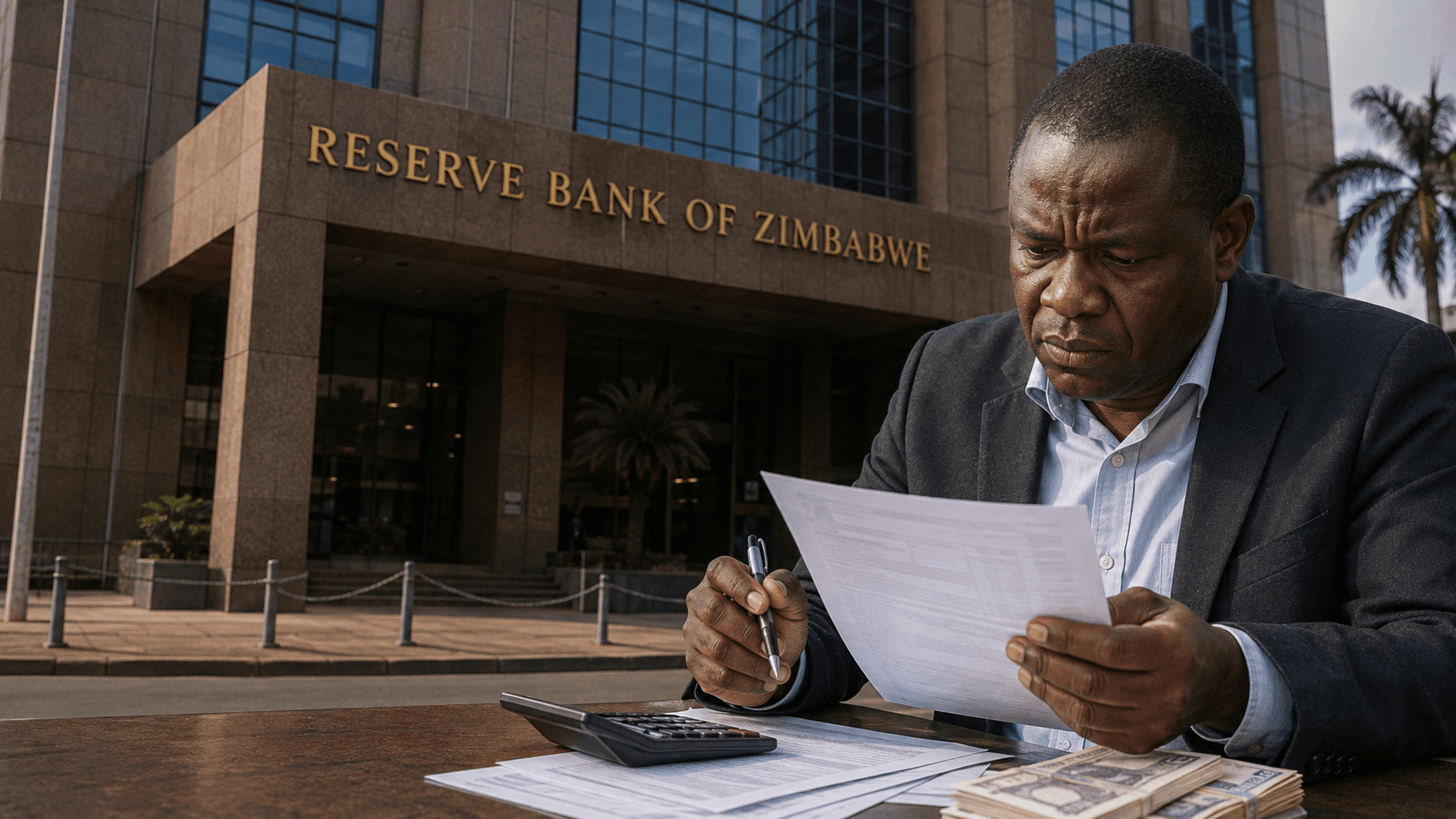
ZiG Inflation Falls to 2.9% but Bank Loans Still Cost Over 40%
Annual ZiG inflation dropped to 2.9% in August, the lowest since independence, 18 April 1980. But the central bank says some banks have not cut lending rates since June, leaving borrowers paying more than 40% while prices barely move.


Support independent journalism
Support our journalismSupport The Granite Post Zimbabwe
Your subscription helps fund investigations, public-interest reporting and deeper Zimbabwe coverage.
More from Prosper Makunike
View all →
Econet Revives Technites Platform to Create Jobs for Skilled Zimbabweans

Zimbabwe Has Educated Millions. Why Are So Many Young People Struggling to Find Work?

Coltart Recall Dispute Deepens as CCC Rejects Letters Targeting Bulawayo Mayor



Comments
Join the conversation
Share your view.
No comments yet. Be the first.