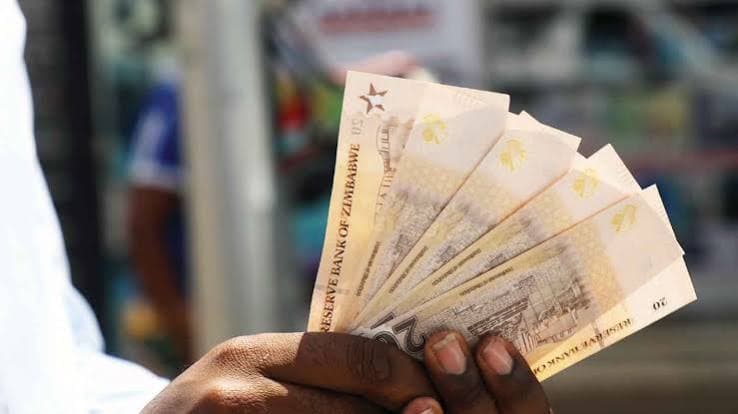
For much of Zimbabwe’s recent economic history, the exchange rate has been more than a financial indicator.
It has been a measure of anxiety.
Businesses have watched it when deciding how much stock to hold. Workers have followed it when assessing the real value of their salaries. Landlords, retailers and service providers have used it, directly or indirectly, to protect themselves against sudden changes in purchasing power.
Subscribe to Granite Premium for unlimited access to investigations, explainers, analysis and subscriber-only reporting.
Already have access? Sign in
The Granite Post verifies documents, interviews sources and checks official records before publication. Our editorial standards explain what we require before a story runs.
Read our editorial standardsProsper Makunike reports for The Granite Post, focused on accountability and public-interest journalism.
Your subscription helps fund investigations, public-interest reporting and deeper Zimbabwe coverage.
Unlimited access to investigations, explainers, analysis and subscriber-only journalism.