
Zimbabwe Moves to Regulate InDrive, Bolt Amid Legal Gap
 By Prosper Makunike3 min read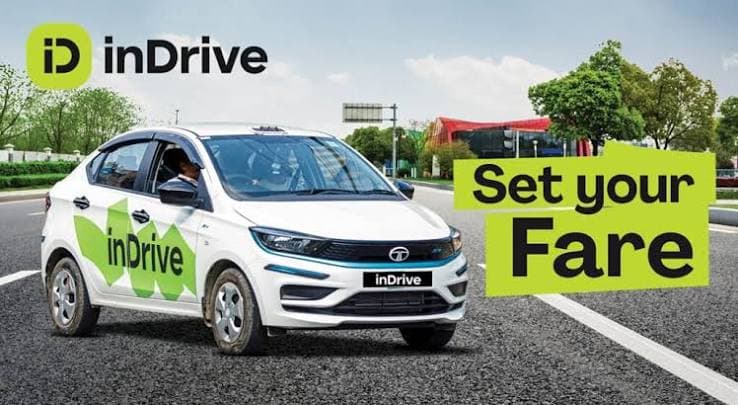
HARARE - Zimbabwe's government has confirmed it is drafting new regulations for e-hailing platforms, after admitting that the country's transport laws do not specifically cover services such as InDrive, Bolt and Tap and Go.
Transport and Infrastructural Development Minister Felix Mhona told Parliament on August 19 that the Road Motor Transportation Act contains no provision for e-hailing. Responding to questions from MPs Chenjerai Kangausaru, James Chidakwa and Trymore Kanupula, Mhona said Cabinet had directed his ministry to explore ways of bringing the industry into the country's public transport regulatory system. He said a Statutory Instrument was being prepared as an interim measure while a broader legal framework is developed.
Kangausaru had asked whether government would amend the Act to formally recognise e-hailing, pointing to South Africa's approach of bringing app-based operators into its public transport system. He noted that the platforms have become an important source of employment and income for young people in Zimbabwe's cities.
Revenue sits at the centre of the debate. Mhona told Parliament that government was losing income because e-hailing platforms operate as downloadable applications rather than through established transport systems, which he said complicates collection. The ministry, he added, is examining ways of working directly with the platforms to establish appropriate revenue mechanisms.
Zimbabwe has, however, already begun taxing the sector at a national level. A Digital Services Withholding Tax took effect on January 1, 2026, following its announcement by Finance Minister Mthuli Ncube in the 2026 Budget. The tax, which replaced the previous VAT arrangement on imported digital services, explicitly covers platform-based transport-hailing fees alongside services such as online subscriptions, digital advertising and satellite internet. The Zimbabwe Revenue Authority's guidance for the tax specifically lists e-hailing among the electronic services affected.
That has created what critics describe as a contradiction: government already taxes e-hailing income at a national level while local enforcement against drivers continues under transport laws that predate the industry. In Harare, the City Council has stepped up action against e-hailing drivers, prompting Mayor Jacob Mafume to acknowledge what he called a legal gap in how the services are governed. Mafume has said the council is drafting its own policy so that e-hailing operators contribute to municipal revenue and the infrastructure they use.
The Zimbabwe E-hailing Association has responded by submitting a self-regulation and policy proposal to the Office of the President and Cabinet, calling for a structured transition to dedicated legislation. The association's founding president designate, Tirivashe Mundondo, has said the industry is not seeking exemption from regulation, but wants a framework built around passenger safety, driver verification and tax visibility.
MPs have also raised concerns about who ultimately bears the cost of new rules. Chidakwa warned that punitive charges on e-hailing operators would raise transport costs for passengers, and urged government to keep registration fees and levies to a minimum. Mhona said the ministry would weigh that risk against its broader goal of reducing unnecessary charges across the transport sector.
Officials have not yet detailed how obligations will be divided between individual drivers and the platforms connecting them with passengers. Those details are expected once the proposed Statutory Instrument and any longer-term legislation are published.
How we reported this
The Granite Post Zimbabwe verifies documents, interviews sources and checks official records before publication. Our editorial standards explain what we require before a story runs.
Read our editorial standardsAbout the author
Prosper Makunike is a Staff Writer at The Granite Post covering Zimbabwean news, public affairs, business and major national developments. He reports on stories affecting communities across the country, with a focus on clear, factual and accessible journalism.
View author profileLatest Updates



Related Articles





Premium
View all Premium →
ZiG Inflation Falls to 2.9% but Bank Loans Still Cost Over 40%
Annual ZiG inflation dropped to 2.9% in August, the lowest since independence, 18 April 1980. But the central bank says some banks have not cut lending rates since June, leaving borrowers paying more than 40% while prices barely move.


Support independent journalism
Support our journalismSupport The Granite Post Zimbabwe
Your subscription helps fund investigations, public-interest reporting and deeper Zimbabwe coverage.






Comments
Join the conversation
Share your view.
No comments yet. Be the first.