
Will Mabvuku’s new interchange meet tomorrow’s traffic needs?
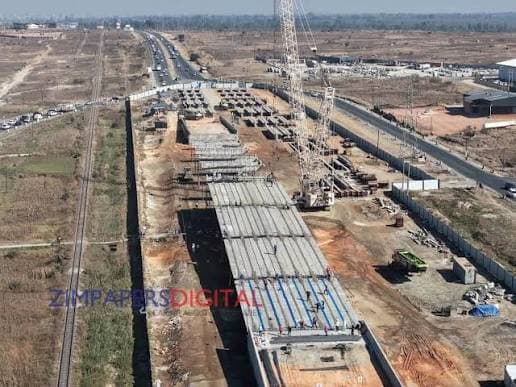
In short
- The completed design should be explained through traffic forecasts, route diagrams and provision for future growth.
- Monitoring after opening should assess queues, journey times and safety for motorists, pedestrians and public transport users.
For a commuter travelling through Mabvuku, the value of a new interchange will be measured in minutes saved, a safer journey and a more predictable arrival time.
Those are the expectations that should guide discussion of the project. As construction advances, attention should also turn to how the junction will cope with traffic in the years ahead.
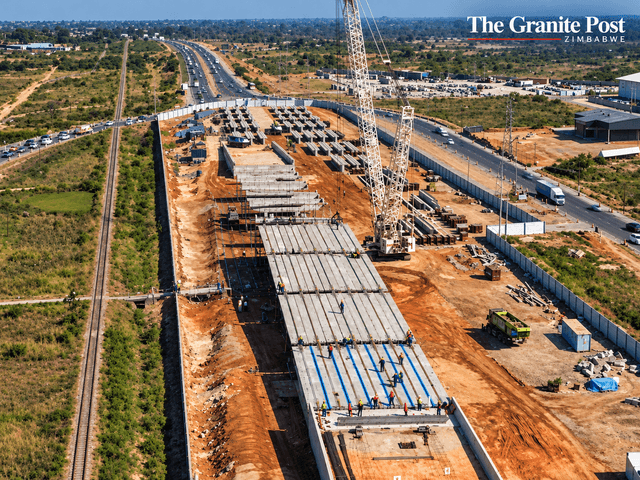
The interchange is intended to improve movement along the Harare–Mutare Highway and connections serving Mabvuku, Tafara, Ruwa and surrounding areas. Construction began in September 2025, according to the project updates reviewed for this article.
The development offers an opportunity to address a difficult junction. Its long-term success, however, will depend on how the crossing, approaches, turning lanes and adjoining roads work together.
The interchange’s long-term value will depend on how its crossing, approaches and surrounding roads serve daily journeys as demand changes.
The concern raised about one lane in each direction deserves a clear explanation of the completed design.
Lane numbers alone cannot establish whether a road will have enough capacity. Separating conflicting traffic movements can improve the performance of a junction. Equally, a crossing may become constrained if the vehicles approaching it exceed what it was designed to accommodate.
The useful question is therefore how the design matches expected demand.
Authorities could help answer it by publishing a plain-language summary of the traffic assessment. That should explain the volumes used in planning, the growth anticipated and how the interchange is expected to perform during the busiest periods.
A simple diagram would also help motorists understand the permanent layout, particularly where construction arrangements differ from the roads that will eventually open.
Planning for future demand does not necessarily mean building the widest possible road immediately. Public funds have competing uses, and additional capacity carries construction and maintenance costs. A sound design should explain how present needs have been balanced against those costs and future requirements.
It should also show whether expansion remains possible. Reserving space, protecting access routes and anticipating later changes could reduce the difficulty of adapting the junction when demand grows.
Operational resilience deserves attention too. If a vehicle breaks down on a narrow crossing, recovery arrangements become important. Clear procedures for responding to obstructions should form part of preparations for opening.
The same applies to pedestrians and public transport passengers. Safe crossings, suitable stopping points and accessible routes should be considered alongside the movement of private cars and freight.
Once the interchange opens, its performance should be assessed under ordinary working conditions. Morning and evening queues, journey times, merging difficulties and safety concerns would provide a more useful picture than an opening-day demonstration.
Monitoring would also allow adjustments where signs, road markings or traffic arrangements prove confusing.
The public does not need a promise that congestion will disappear permanently. It needs a credible explanation of what the interchange is designed to achieve, the conditions under which it should work and the options available if demand changes.
Mabvuku’s new crossing can make a meaningful contribution to everyday travel. Publishing the reasoning behind its design would help build confidence that the investment has been planned for the journeys people make today and those they will make tomorrow.
How we reported this
The Granite Post Zimbabwe verifies documents, interviews sources and checks official records before publication. Our editorial standards explain what we require before a story runs.
Read our editorial standardsAbout the author
News and practical explainers on the developments shaping everyday life in Zimbabwe, from connectivity and business to public services and opportunities.
View author profileLatest Updates



Related Articles




Premium
View all Premium →
ZiG Inflation Falls to 2.9% but Bank Loans Still Cost Over 40%
Annual ZiG inflation dropped to 2.9% in August, the lowest since independence, 18 April 1980. But the central bank says some banks have not cut lending rates since June, leaving borrowers paying more than 40% while prices barely move.


Support independent journalism
Support our journalismSupport The Granite Post Zimbabwe
Your subscription helps fund investigations, public-interest reporting and deeper Zimbabwe coverage.




Comments
Join the conversation
Share your view.
No comments yet. Be the first.