
Opinion & Analysis
Why Zimbabwe's Youth Are Struggling to Find Jobs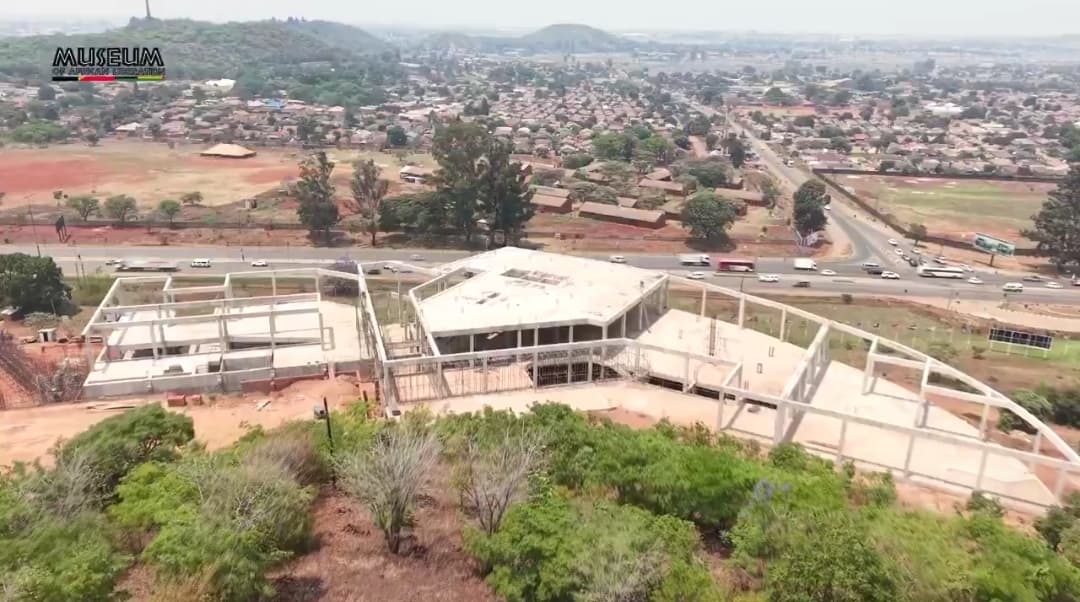
Spearheaded by the Institute of African Knowledge (INSTAK), the proposed development is designed as a Pan-African heritage and tourism destination that will showcase the struggles, sacrifices and achievements of African liberation movements.
The approximately 103-hectare master plan includes several facilities intended to combine historical preservation, education, entertainment and commercial activity.
The centrepiece, the Museum of African Liberation, is expected to house historical artefacts, archives and records documenting the liberation struggles of African countries and the contributions of their international partners.
Other planned facilities include a Heritage Village celebrating African traditions and cultural identity, a Liberation Mall for commercial activities, and a five-star hotel alongside an international conference centre.
The project aims to preserve Africa's liberation heritage for future generations while positioning Zimbabwe as a destination for cultural tourism and Pan-African engagement.
The wider development also incorporates African-themed amusement and animal parks, as well as a proposed 360-degree rotating rooftop restaurant offering panoramic views of Harare.
Beyond preserving historical records, the project is intended to create a space where future generations can learn about Africa’s liberation movements and their contribution to the continent’s political and social development.
The development is also linked to Zimbabwe’s broader ambitions for heritage-based tourism, investment attraction, employment creation and economic diversification under the National Development Strategy 2 (2026–2030) and Vision 2030.
If fully implemented, Liberation City could add to Zimbabwe’s tourism infrastructure while providing a platform for cultural exchange and Pan-African engagement.
The project seeks to establish a lasting place for Africa’s liberation history, bringing together education, heritage and economic opportunities in one development.
By Simba Zimunya
The Granite Post Zimbabwe verifies documents, interviews sources and checks official records before publication. Our editorial standards explain what we require before a story runs.
Read our editorial standardsSimba Chiti reports for The Granite Post, focused on accountability and public-interest journalism.
View author profile

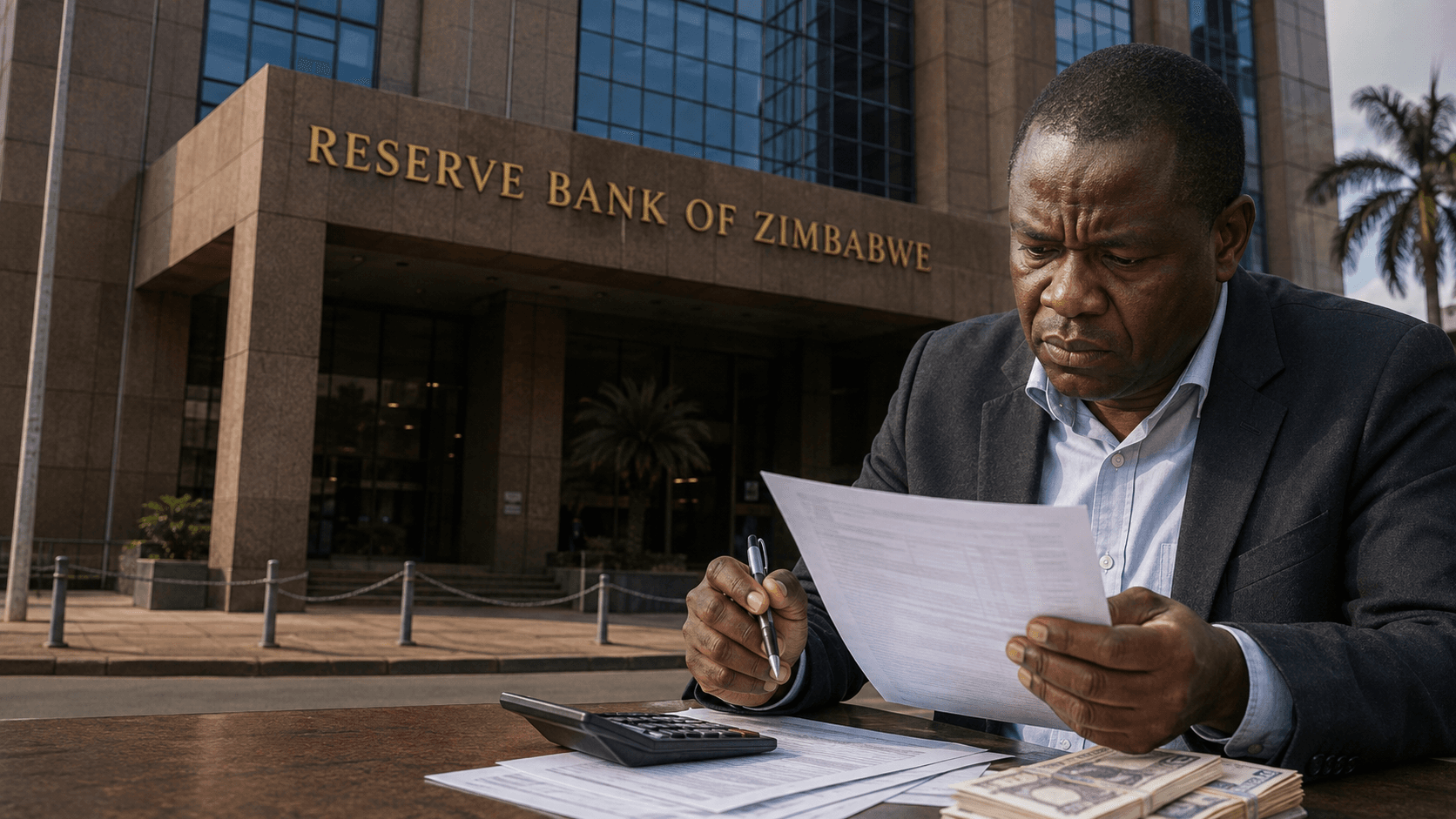
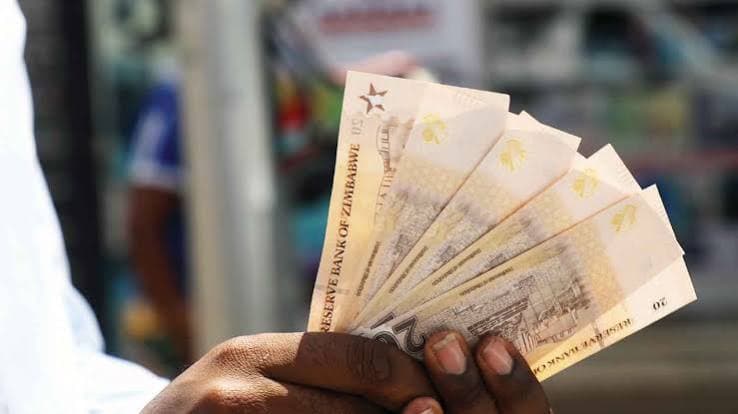
Annual ZiG inflation dropped to 2.9% in August, the lowest since independence, 18 April 1980. But the central bank says some banks have not cut lending rates since June, leaving borrowers paying more than 40% while prices barely move.
Your subscription helps fund investigations, public-interest reporting and deeper Zimbabwe coverage.

Comments
Join the conversation
Share your view.
No comments yet. Be the first.