
Harare Demolitions: How to Know if Your Stand Is at Risk
 By Prosper Makunike3 min read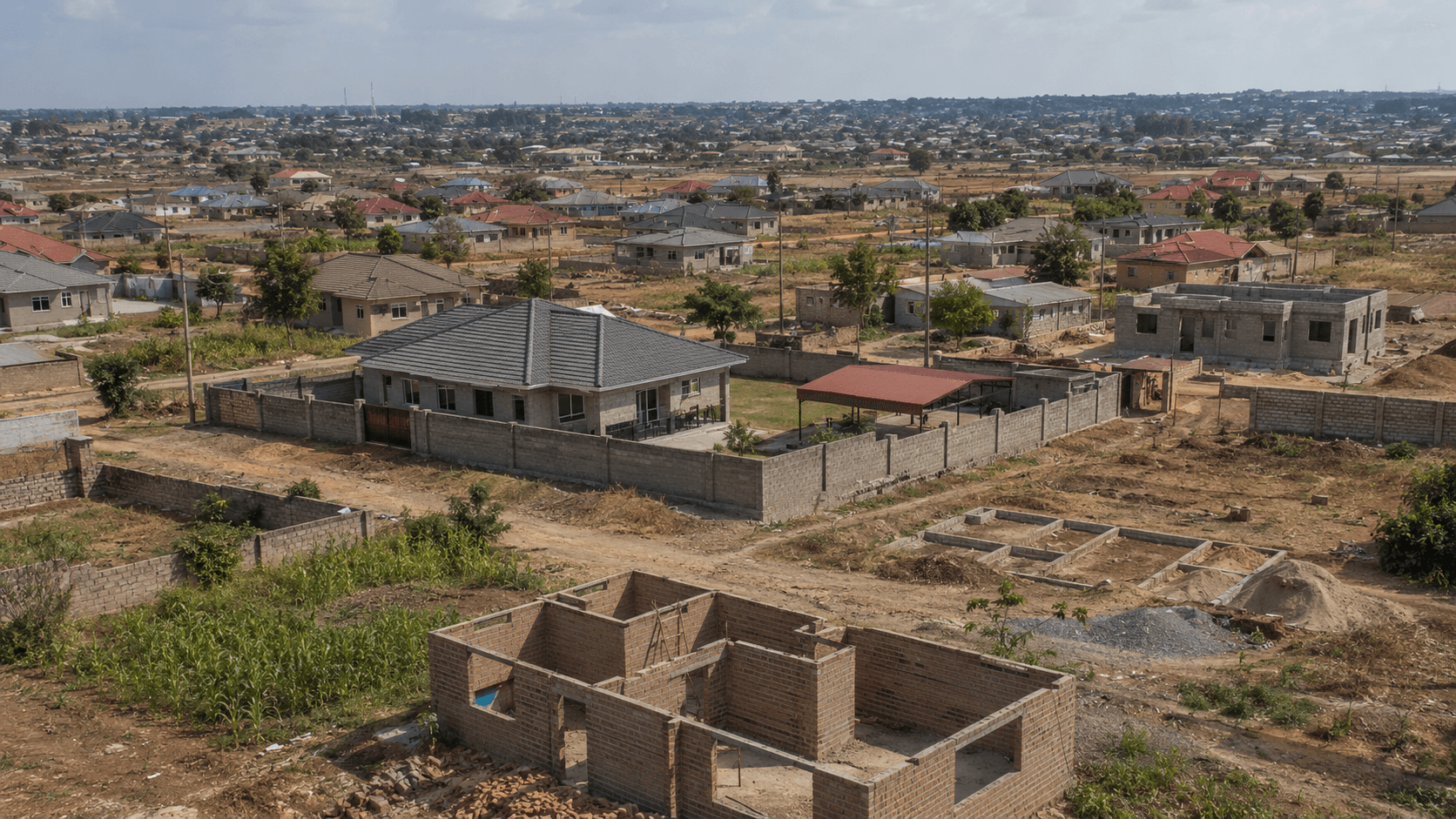
HARARE - The City of Harare has hardened its position on illegal settlements, warning that houses built without approval or valid title can be removed as authorities widen a demolitions crackdown that began in St Martins.
Council has ordered a halt to construction on unauthorised land, including new building, land clearing and trenching. It says anyone selling, buying or developing unallocated state or council land could face prosecution.
But council's own regularisation programme complicates the "illegal houses demolished" narrative.
Since July 2023, a council task force has inspected 101 settlements containing 22,255 stands. A Town Clerk's report shows 93 of those settlements have already been regularised, allowing the municipality to begin billing residents for rates and services.
The dividing line is a date: September 24, 2023.
Housing is the largest investment most Harare families will ever make, and thousands have bought stands through cooperatives whose legality they cannot easily verify.
Settlements occupied before that date may still qualify for regularisation, provided they are not on land reserved for schools, recreational facilities, wetlands or other public amenities, and are not low-density land grabs. Invasions from 2024 onward face demolition rather than regularisation, according to the report.
Council has also tightened its stance on housing cooperatives in low-density suburbs. It says it will not let a system meant to help lower-income residents become a route for unauthorised low-density occupation. Suspected forged offer letters and agreements of sale have been referred to the Zimbabwe Republic Police.
Disputes or illegal occupations already appear in council records across the city. At Kuwadzana Paddocks, 21 housing cooperatives face demolition following court orders. In Crowborough, 291 stands linked to two cooperatives were flagged as illegally occupied.
Parts of Budiriro have reportedly extended onto wetlands and school land, while council records also cite disputes in Greendale, Belvedere and Mbare.
A settlement's appearance in these records does not mean every stand there will be demolished. Legal status can differ stand to stand depending on cooperative, court order and layout approval.
St Martins remains the most contested case because it carries active litigation. Ten St Martins Extension residents approached the High Court in 2025 after receiving demolition notices.
A consent order issued by Justice Happias Zhou on October 29, 2025, under case HCH5444/25, set aside those notices and restrained the council from demolishing the applicants' homes without a valid court order. The same order barred residents from further development without council approval.
Council says it did not demolish properties protected by the interdict and that only illegally constructed structures were removed. Residents dispute this.
Separately, in February 2026 the High Court set aside a council decision on stand allocation involving the St Martins Housing Co-operative Society, describing it as grossly unreasonable, and sent the matter back for reconsideration.
Those rulings do not protect every current St Martins resident. But they show why demolitions in established housing schemes cannot be reduced to a simple legal-versus-illegal split.
Council rates receipts, in particular, are not proof of ownership. They can be paid without a valid title deed, approved building plan or subdivision approval, and buying through a cooperative does not guarantee the seller had authority to allocate the land.
Council is now urging prospective buyers to verify stands directly with its housing and planning departments before paying.
For anyone facing an uncertain demolition risk, four questions determine where they stand: who legally owns the land, whether the stand appears in an approved layout, whether the building plan was approved before construction began, and whether any court order already covers the property.
Where litigation exists, the exact wording of the order is what matters, not the general impression that a case was "won."
Residents with pending disputes, including those in St Martins Extension awaiting further action on HCH5444/25, should seek independent legal advice rather than relying on assurances from the cooperative or agent that sold the stand.
This report draws on a Town Clerk's report and Zimbabwean court records reviewed by The Granite Post.
2 comments
Join the conversation
Share your view.
How we reported this
The Granite Post Zimbabwe verifies documents, interviews sources and checks official records before publication. Our editorial standards explain what we require before a story runs.
Read our editorial standardsAbout the author
Prosper Makunike is a Staff Writer at The Granite Post covering Zimbabwean news, public affairs, business and major national developments. He reports on stories affecting communities across the country, with a focus on clear, factual and accessible journalism.
View author profileLatest Updates


Business & Economy
Harare to open COMESA business programme ahead of Thursday summit
Related Articles




Premium
View all Premium →
ZiG Inflation Falls to 2.9% but Bank Loans Still Cost Over 40%
Annual ZiG inflation dropped to 2.9% in August, the lowest since independence, 18 April 1980. But the central bank says some banks have not cut lending rates since June, leaving borrowers paying more than 40% while prices barely move.


Support independent journalism
Support our journalismSupport The Granite Post Zimbabwe
Your subscription helps fund investigations, public-interest reporting and deeper Zimbabwe coverage.
More from Prosper Makunike
View all →
Econet Revives Technites Platform to Create Jobs for Skilled Zimbabweans

Zimbabwe Has Educated Millions. Why Are So Many Young People Struggling to Find Work?

Coltart Recall Dispute Deepens as CCC Rejects Letters Targeting Bulawayo Mayor




Demolitions are taking place. Why are the people who allocated these stands being arrested
The council should respect the waiting list procedures,as it was before long back.People are disparate for acomodación, why is it easy for a church to have aground to build a chance?is it not a way of sucking money from the poor ,Each district in Harare has got District office of which the administrator should be at the forefront of identifying these illigal development, Harare should publish authorised land developers and cooperatives if there is limitted space in Harare for home seskers these cooperatives should be deregistered to operate in Harare,and i would suggest that City Of Harare should have its margazin newspaper platform which publish awareness of Greater Harare.Also thats where people should know what is wetland propised for schools,clinic, shopping centres,etc.The councils should have dustrict land inspectors,who can quickly approach and intercept these illigal land dealers.Also deeds procedures should be transparent to approved developers and cliente.