
Three Artisanal Miners Killed In Mutare Shaft Collapse
 By Prosper Makunike3 min read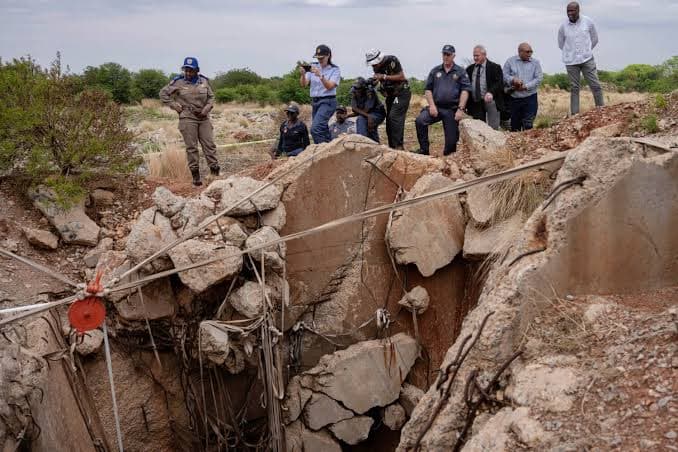
MUTARE - Three artisanal miners were killed on Monday afternoon after a mining shaft collapsed on them at Plot 55 Premier Central in Mutare, police have confirmed.
The Zimbabwe Republic Police said the accident happened at around 4.30pm on August 24, while the miners were working underground in a shaft roughly 20 metres deep.
"Three artisanal miners were killed when a mining shaft, approximately 20 metres deep, collapsed while they were working inside it," police spokesperson Commissioner Paul Nyathi said in a statement.
Details of how the collapse occurred, including whether the shaft was supported or properly reinforced, have not yet been disclosed. Rescue efforts to recover the bodies would typically involve local mining teams and community members, given the limited heavy equipment available at most informal mining sites in the area.
The deaths add to a mounting toll in Zimbabwe's artisanal and small-scale mining sector, where collapsing shafts, falls into unprotected pits and other unsafe underground conditions remain a persistent and often fatal risk for the hundreds of thousands of people who depend on informal mining for their livelihoods.
Government figures show that 64 people died in artisanal and small-scale mining accidents in the first quarter of 2026 alone, a toll that underscores how routine such tragedies have become across the country's gold-rich provinces. Ground collapses were responsible for more than half of those deaths, at 54 percent, while the remainder came from falls into abandoned or unprotected shafts, explosives, toxic gases, electrocution and equipment failures.
Manicaland, the province in which Mutare falls, has recorded a number of similar incidents in recent years, with unregulated shafts often dug in haste and without proper timber or steel supports to prevent ground movement. Many artisanal miners work in shafts sunk without geological surveys, relying instead on experience and word of mouth about where gold-bearing reef is likely to run.
Authorities have been working to bring more order to the sector through a formalisation drive that combines training, licensing, technical support and stricter enforcement of safety standards. The programme targets around 600,000 artisanal and small-scale miners nationwide, with the goal of linking informal operators to proper training, protective equipment and safer working practices.
The sector plays an outsized role in Zimbabwe's economy, accounting for more than 60 percent of the country's official gold deliveries despite operating largely outside formal regulation. Government has said bringing these miners into the regulated system is central to improving both safety outcomes and environmental compliance across mining communities, while also increasing the volume of gold that passes through official channels rather than informal or smuggled routes.
Critics of the current approach argue that formalisation efforts have moved slowly relative to the scale of the sector, and that many miners continue to operate without licences, safety training or basic protective equipment simply because the cost and bureaucracy of formal registration remain out of reach for individuals working shaft to shaft. Mining safety advocates have repeatedly called for more accessible training programmes and stronger enforcement against shaft owners who fail to meet basic safety standards, rather than measures that primarily target the miners themselves.
For families in mining communities like the one around Plot 55 Premier Central, incidents such as Monday's collapse often carry consequences well beyond the immediate tragedy, given how many households rely on a single miner's earnings and how little formal compensation or insurance exists for those working outside registered operations.
No further details on the identities of the deceased or the mining operation involved have yet been released. The Granite Post will update this story as more information becomes available.
How we reported this
The Granite Post Zimbabwe verifies documents, interviews sources and checks official records before publication. Our editorial standards explain what we require before a story runs.
Read our editorial standardsAbout the author
Prosper Makunike is a Staff Writer at The Granite Post covering Zimbabwean news, public affairs, business and major national developments. He reports on stories affecting communities across the country, with a focus on clear, factual and accessible journalism.
View author profileLatest Updates


Business & Economy
Harare to open COMESA business programme ahead of Thursday summit
Related Articles




Premium
View all Premium →
ZiG Inflation Falls to 2.9% but Bank Loans Still Cost Over 40%
Annual ZiG inflation dropped to 2.9% in August, the lowest since independence, 18 April 1980. But the central bank says some banks have not cut lending rates since June, leaving borrowers paying more than 40% while prices barely move.


Support independent journalism
Support our journalismSupport The Granite Post Zimbabwe
Your subscription helps fund investigations, public-interest reporting and deeper Zimbabwe coverage.
More from Prosper Makunike
View all →
Econet Revives Technites Platform to Create Jobs for Skilled Zimbabweans

Zimbabwe Has Educated Millions. Why Are So Many Young People Struggling to Find Work?

Coltart Recall Dispute Deepens as CCC Rejects Letters Targeting Bulawayo Mayor



Comments
Join the conversation
Share your view.
No comments yet. Be the first.