
Opinion & Analysis
Why Zimbabwe's Youth Are Struggling to Find Jobs
The project was officially launched on 4 November 2026 at Farm 58, approximately 10 kilometres east of Walvis Bay.
The development includes a proposed fuel storage facility with a capacity of 600 million litres, comprising 360 million litres of diesel and 240 million litres of petrol.
Another major component is a planned 1,700-kilometre regional pipeline designed to transport petroleum products to inland markets, including Zimbabwe.
The proposed infrastructure aims to reduce fuel transportation costs, strengthen regional supply security and improve the distribution of petroleum products across Southern Africa.
The proposed pipeline could reshape regional fuel transportation by providing Zimbabwe and other inland Southern African markets with another potential petroleum supply route.
The project is also expected to position Namibia as a regional petroleum storage and distribution hub, using its coastal location to serve neighbouring countries.
For Zimbabwe, the planned pipeline could provide an additional route for accessing fuel supplies and potentially reduce reliance on existing transportation networks.
However, the impact on local fuel prices and availability will depend on the project's implementation, transportation costs and future supply agreements.
The development represents a proposed investment in regional energy infrastructure, with potential benefits for petroleum distribution and trade across Southern Africa.
By Simba Zimunya
The Granite Post Zimbabwe verifies documents, interviews sources and checks official records before publication. Our editorial standards explain what we require before a story runs.
Read our editorial standardsSimba Chiti reports for The Granite Post, focused on accountability and public-interest journalism.
View author profile


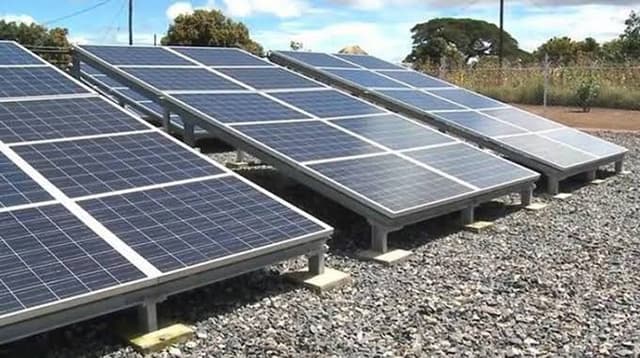



Annual ZiG inflation dropped to 2.9% in August, the lowest since independence, 18 April 1980. But the central bank says some banks have not cut lending rates since June, leaving borrowers paying more than 40% while prices barely move.
Your subscription helps fund investigations, public-interest reporting and deeper Zimbabwe coverage.



Comments
Join the conversation
Share your view.
No comments yet. Be the first.