
Traffic offences drive 12.4% rise in Zimbabwe's recorded crime rate
In short
- Zimbabwe's recorded crime rate rose 12.4% in the second quarter, driven mainly by traffic offences.
Zimbabwe's recorded crime rate rose 12.4 percent in the second quarter of 2026, but traffic offences account for almost all of the increase. Theft, assaults and burglary all fell, according to the Zimbabwe National Statistics Agency (ZIMSTAT).
The agency said the national rate climbed from about 2,650 offences per 100,000 people in the first quarter to about 2,980 in the second. That is roughly 41 percent higher than a year earlier and above the previous peak recorded in the final quarter of 2025.
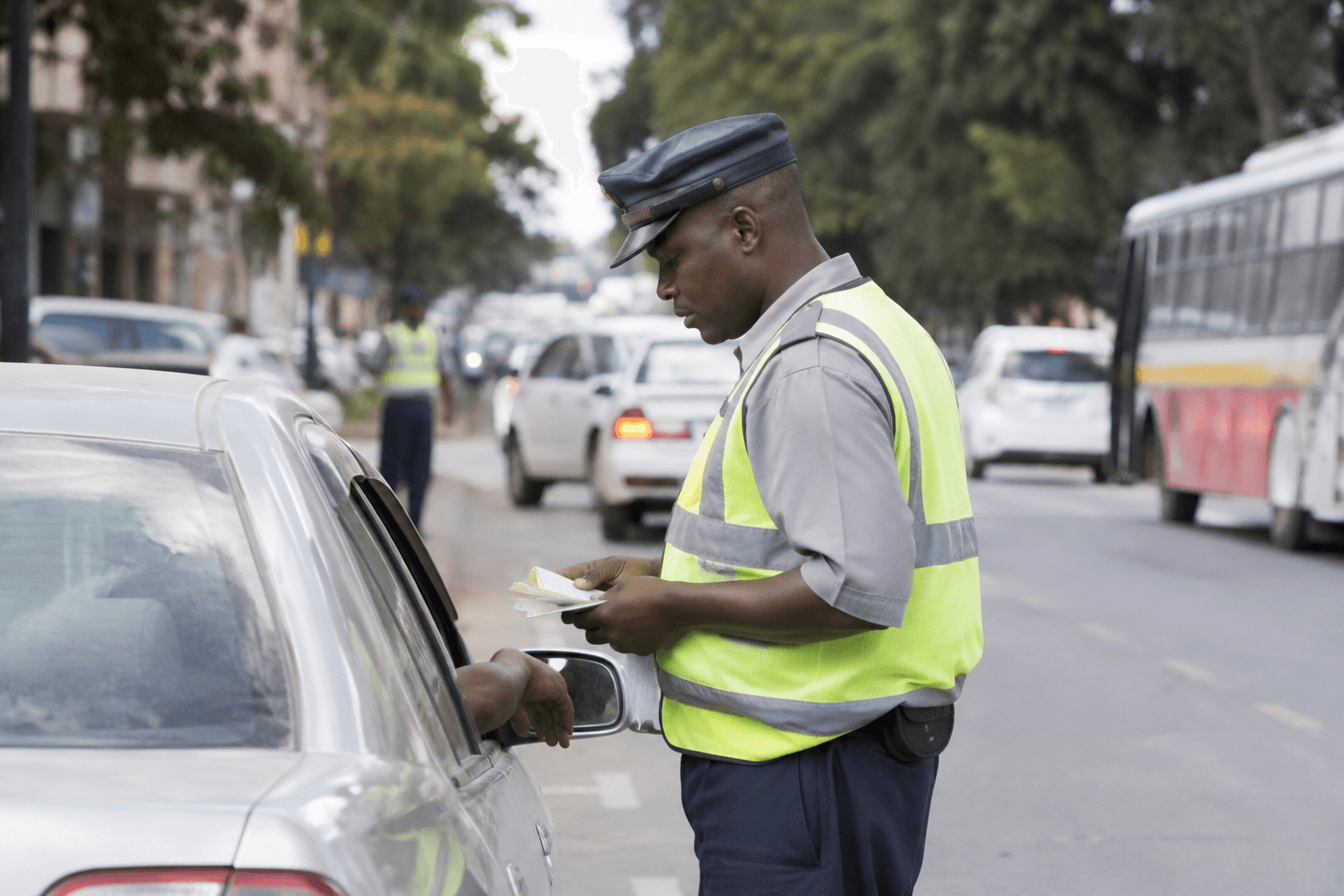
Non-injurious traffic violations made up nearly seven in ten of all recorded offences. The Granite Post's calculation from ZIMSTAT's tables shows that traffic cases account for about nine-tenths of the quarter's increase. All other offences combined rose only slightly.
Theft and burglary fell while homicides rose
Police recorded fewer thefts, assaults and threats, burglaries and sexual violence offences than in the first quarter. Intentional homicides moved the other way, rising from 306 to 371. ZIMSTAT does not explain the change, and the numbers are small enough that quarterly swings need cautious reading.
ZIMSTAT's highlights chart lists a rise in "drug offences". The category is broad. Nearly four in five of its cases were unlawful acts involving alcohol, tobacco or other controlled substances. Offences involving controlled drugs or precursors, the narrower grouping, fell compared with the first quarter.
A single national crime figure can mislead. Traffic enforcement, violent crime and property theft need different responses.
Harare's rate is more than double the national figure
Harare accounted for just over a third of recorded offences, with a rate more than twice the national average. Bulawayo, Masvingo and Matabeleland South also exceeded it.
ZIMSTAT says its figures exclude crimes not reported to police. Provincial gaps therefore also reflect how actively traffic laws are enforced and how offences are recorded, and they do not by themselves show greater exposure to violent crime.
The report's text cites a national total about 8,000 offences higher than its main table. The table's figures add up and match the published rate, so the Granite Post has used them. The report does not explain the difference.
It also does not say why recorded traffic violations rose so sharply. The cause could be more offences, more roadblocks and enforcement, or changes in recording. Police records alone cannot settle that, and the answer matters for how the national figure is read.
How we reported this
The Granite Post Zimbabwe verifies documents, interviews sources and checks official records before publication. Our editorial standards explain what we require before a story runs.
Read our editorial standardsAbout the author
Tarisai Ncube reports for The Granite Post, focused on accountability and public-interest journalism.
View author profileLatest Updates


Business & Economy
Taguta Business Centre Officially Opens in Manicaland
Business & Economy
Zimbabwe–China Trade Growth Opens New Doors for Local BusinessesRelated Articles





Premium
View all Premium →
ZiG Inflation Falls to 2.9% but Bank Loans Still Cost Over 40%
Annual ZiG inflation dropped to 2.9% in August, the lowest since independence, 18 April 1980. But the central bank says some banks have not cut lending rates since June, leaving borrowers paying more than 40% while prices barely move.


Support independent journalism
Support our journalismSupport The Granite Post Zimbabwe
Your subscription helps fund investigations, public-interest reporting and deeper Zimbabwe coverage.



Comments
Join the conversation
Share your view.
No comments yet. Be the first.