
Opinion & Analysis
Why Zimbabwe's Graduates Are Struggling to Find Jobs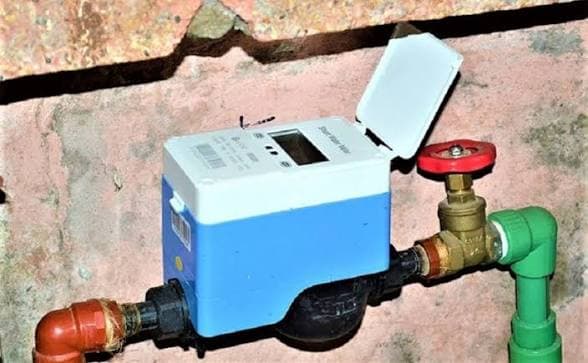
A household buying water credit should be able to answer a basic question: how much water will this payment provide?
If some of the money is being used to repay an old debt, that deduction should be equally clear. Understanding the transaction is an essential starting point for confidence in any prepaid system.
Harare City Council is considering a wider rollout of smart prepaid water meters in 2027, with debt recovery among the proposed uses. Finance and Development Committee chairperson Jubilation Shoko has described the arrangements as a proposal whose details still need work.
That distinction matters. Residents should have an opportunity to understand and discuss the rules before a payment system changes how they obtain an essential service.
Households need to understand what they are paying for, while the council needs dependable revenue to operate and improve water services.
Accurate measurement could help both sides. A household could track consumption, while the council could improve its accounts and identify unusual patterns that warrant investigation. Those potential benefits deserve serious consideration.
The first test should be the opening balance. Before an old debt is linked to a new meter, a customer should receive an understandable statement and a workable way to challenge errors. Digitising a disputed figure does not resolve the dispute.
A payment receipt should distinguish the amount credited towards consumption, any deduction towards arrears and other applicable charges. Residents should be able to obtain that information without needing an expensive smartphone or repeated journeys to an office.
Supply reliability must also form part of the discussion. Installing a meter cannot, by itself, repair a leaking pipe or increase treatment capacity. Metering and physical service improvements need coordinated plans, budgets and reporting.
A carefully evaluated pilot would help establish what works. Council could publish results on transaction failures, incorrect deductions, meter faults and the time required to resolve complaints. Those measures would reveal whether the system is making everyday interactions easier.
The design should also address practical difficulties. What happens when payment platforms fail? How are shared connections managed? What assistance is available to a vulnerable household facing an interruption? Clear procedures would reduce uncertainty for residents and staff alike.
Residents, for their part, should receive clear explanations of their payment obligations and the costs of operating the service. A sustainable water system requires revenue as well as public confidence.
The opportunity is to improve a relationship that depends on both. Harare should judge smart metering by accurate accounts, dependable transactions and better service, with published evidence showing whether those improvements are reaching households.
The Granite Post Zimbabwe verifies documents, interviews sources and checks official records before publication. Our editorial standards explain what we require before a story runs.
Read our editorial standardsNews and practical explainers on the developments shaping everyday life in Zimbabwe, from connectivity and business to public services and opportunities.
View author profile







Annual ZiG inflation dropped to 2.9% in August, the lowest since independence, 18 April 1980. But the central bank says some banks have not cut lending rates since June, leaving borrowers paying more than 40% while prices barely move.
Your subscription helps fund investigations, public-interest reporting and deeper Zimbabwe coverage.



Comments
Join the conversation
Share your view.
No comments yet. Be the first.