
Is Zimbabwe’s Education System Preparing Youth for Unemployment?
In short
- Zimbabwe faces a gap between higher education, practical skills and the availability of meaningful employment for young people.
By Simba Zimunya
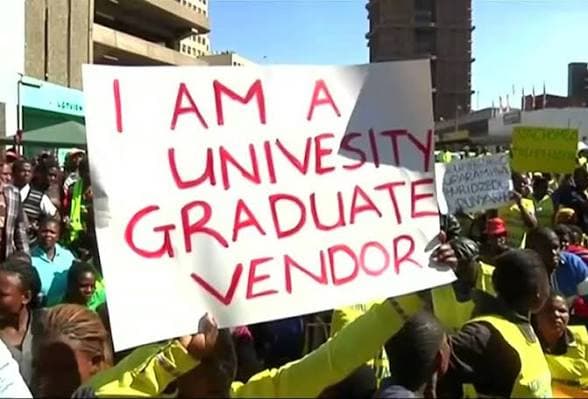
For many Zimbabwean families, sending a child to university represents years of sacrifice, financial pressure and hope for a better future. Parents invest in tuition, accommodation, transport and other expenses, believing that a university qualification will eventually open doors to employment and financial independence.
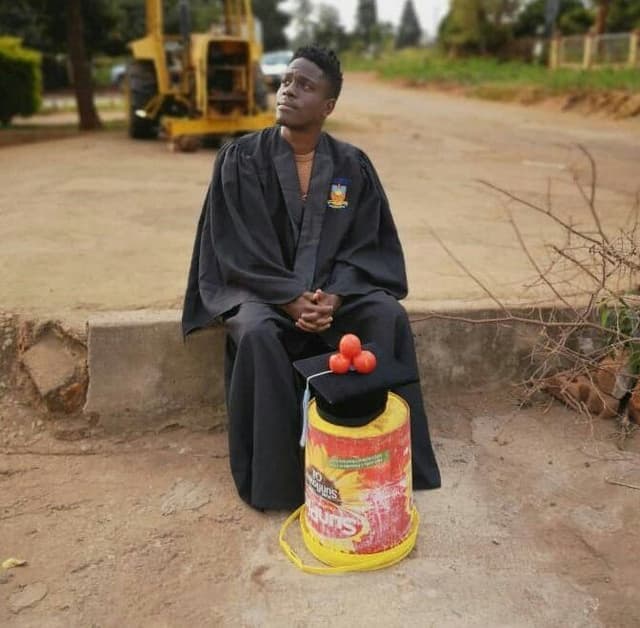
But for thousands of young people, the journey does not end with a job offer. It begins with applications, unanswered emails, repeated interviews and months, sometimes years, of searching for work.
Graduation ceremonies continue to celebrate academic achievement across the country, but an uncomfortable question remains: are Zimbabwe's universities and colleges preparing young people for the employment opportunities that actually exist?
The problem is not that education has become useless. It is that the relationship between qualifications, practical skills and available jobs is not working as effectively as it should.
The disconnect between education and employment affects young people's financial independence, family investments and Zimbabwe's ability to benefit from its skilled population.
The Unemployment Figures Tell a Difficult Story
Zimbabwe's labour market statistics reveal the scale of the challenge facing young people.
According to the Zimbabwe National Statistics Agency's Second Quarter 2025 Quarterly Labour Force Survey, unemployment stood at 39.3 percent among young people aged 15–24 and 28.9 percent among those aged 15–35.
The same survey found that approximately 49.2 percent of people aged 15–35 were not in employment, education or training.
The figures highlight a serious challenge for a country investing in education while many young people struggle to transition into employment or further training.
However, unemployment is only part of the picture. Some graduates are working, but not in jobs that match their qualifications. Others survive through informal trading, temporary work and small businesses because formal employment remains difficult to secure.
For these individuals, being economically active does not necessarily mean earning enough to achieve financial independence or using the skills they spent years developing.
When a Degree Is Not Enough
One of the biggest frustrations facing graduates is the experience requirement attached to many entry-level vacancies.
Employers often demand previous work experience, professional certifications and practical knowledge, even when advertising positions intended for recent graduates.
This creates a difficult cycle: graduates need experience to secure employment, but they need employment to gain experience.
Internships, industrial attachments and graduate trainee programmes can help address this problem. However, these opportunities need to be accessible, properly structured and sufficiently available.
Universities also need to strengthen practical training, workplace exposure and partnerships with employers before students complete their studies.
A qualification should demonstrate more than the ability to pass examinations. It should also prepare graduates to solve problems, use relevant technology and perform tasks required in their chosen professions.
Are Universities Producing Skills the Economy Needs?
Zimbabwe's education system has expanded access to higher education, producing graduates in engineering, accounting, agriculture, information technology, business, education and many other disciplines.
However, the skills being taught must remain connected to changes in the economy and the needs of industry.
In July 2025, the Government raised concerns about the mismatch between academic qualifications and practical workplace skills. Skills Audit and Development Minister Professor Paul Mavima highlighted gaps in areas including engineering, agriculture, mining and health.
The National Skills Consultations Report also identified weaknesses in regular engagement between universities and industry, warning that curricula need to adapt more quickly to technological developments and emerging economic opportunities.
This raises an important question: how can universities prepare graduates for industries that are changing faster than some academic programmes?
Education must not simply produce certificates. It must develop people who can apply their knowledge in workplaces, businesses, research institutions and productive industries.
The Economy Must Also Create Jobs
Blaming universities alone would be an incomplete explanation.
Even a graduate with excellent practical skills cannot easily find employment when there are too few businesses expanding, industries investing and organisations recruiting.
Job creation depends heavily on economic activity. Manufacturing companies need to expand production. Agricultural businesses need to process more products locally. Mining operations need skilled workers and supporting industries. Technology companies need an environment in which they can grow and employ people.
Zimbabwe therefore faces two connected challenges: ensuring graduates have relevant skills and creating an economy capable of using those skills.
It is unreasonable to expect universities to solve unemployment without corresponding growth in productive sectors of the economy.
A Degree Should Be a Beginning, Not a Dead End
There is also evidence that higher education continues to improve employment prospects.
ZIMSTAT's analysis of the 2025 Second Quarter Labour Force Survey found that people with higher education qualifications generally recorded better labour-market outcomes than those with lower educational attainment.
Their employment absorption rate was reported at 70 percent, while their formal employment rate stood at 80.4 percent.
This is an important distinction. It would be misleading to suggest that obtaining a degree automatically leads to unemployment. Higher education still offers advantages, but it cannot guarantee that every graduate will find a suitable job.
The real concern is whether the education system, employers and the wider economy are working together to turn those qualifications into productive opportunities.
What Needs to Change?
First, universities and colleges should regularly review their programmes in consultation with employers and industry representatives. Students need exposure to practical work, modern equipment and technologies relevant to their professions.
Second, companies and public institutions should expand meaningful internships, apprenticeships and graduate trainee programmes. Entry-level recruitment should recognise potential rather than make extensive experience an unavoidable requirement.
Third, Government must prioritise policies that encourage investment, industrial expansion and the growth of businesses capable of creating sustainable employment.
Finally, entrepreneurship support should go beyond encouraging graduates to start businesses. Young people need access to affordable financing, markets, business training, infrastructure and a predictable operating environment.
The Question Zimbabwe Must Answer
Zimbabwe should continue investing in education. But the success of that investment cannot be measured only by the number of students graduating every year.
It must also be measured by how many graduates find meaningful work, how many businesses use their skills and how effectively education contributes to national productivity.
A country cannot fully benefit from educating its population if large numbers of skilled people remain unable to apply their knowledge.
The uncomfortable question is not whether Zimbabwe should continue producing graduates. It is whether the country is building enough opportunities for those graduates to put their education to work.
Until education, industry and job creation become more closely connected, graduation day will continue to represent both an achievement and the beginning of another uncertain journey for many young Zimbabweans.
How we reported this
The Granite Post Zimbabwe verifies documents, interviews sources and checks official records before publication. Our editorial standards explain what we require before a story runs.
Read our editorial standardsAbout the author
Simba Zimunya reports for The Granite Post, focused on accountability and public-interest journalism.
View author profileLatest Updates


Related Articles



Premium
View all Premium →
ZiG Inflation Falls to 2.9% but Bank Loans Still Cost Over 40%
Annual ZiG inflation dropped to 2.9% in August, the lowest since independence, 18 April 1980. But the central bank says some banks have not cut lending rates since June, leaving borrowers paying more than 40% while prices barely move.


Support independent journalism
Support our journalismSupport The Granite Post Zimbabwe
Your subscription helps fund investigations, public-interest reporting and deeper Zimbabwe coverage.
Trending This Week
Will Mabvuku’s new interchange meet tomorrow’s traffic needs?

How Much Does a 5kW Solar System Cost in Zimbabwe? Batteries, Installation and Hidden Costs

Mutare Father Dies After Saving Family From Chikanga House Fire

ZRP Arrests 25-Year-Old Suspect Over Stock Theft in Macheke

Bellarmine Chatunga Mugabe and Four Others Arrested Over Assault in Harare

Comments
Join the conversation
Share your view.
No comments yet. Be the first.