
Opinion & Analysis
Is Zimbabwe’s Education System Preparing Youth for Unemployment? By Rebecca Zimera2 min read
The council has adopted a US$440.6 million budget for 2027, according to CITE, which was republished by The Zimbabwean and Zimbabwe Situation. It had first proposed US$457.88 million, about double the roughly US$220 million budget approved for 2026.
The budget follows 38 consultation meetings attended by 2,619 people. The council said 35 meetings rejected the original 74% tariff increase and 36 opposed the proposed roads levy. In response, it lowered the general increase to 50% and revised the roads levy, introducing stepped charges for commercial properties.
The adopted plan also includes new monthly levies on property owners and businesses to pay for road rehabilitation, public lighting and disaster preparedness. It provides for rates rebates for elderly residents and support for vulnerable learners.
Under the original plan, monthly refuse collection in high-density suburbs would have risen from US$7 to US$15.70, the Herald reported. The charge for the first five kilolitres of water would have risen from US$0.70 to US$2.27 per kilolitre. The plan also included a US$100 special roads levy and a US$2 public lighting tariff, and council expected the extra charges to raise US$45 million.
Even at 50%, household bills rise sharply, and the council still plans to borrow US$89.5m.
The Bulawayo Progressive Residents Association calculated that a household bill would rise from US$37.92 in 2026 to US$66.10 in 2027 under that version. The Post has not seen revised household figures for the 50% increase.
The council plans to seek about US$89.5 million in bond funding, with monthly repayments of US$1.3 million over 15 years at 15% interest. Before the cut, the Herald reported a gap of about US$139.7 million between proposed spending and projected income.
Business leaders quoted by the Herald questioned whether the council could collect enough revenue to fund the budget. An online petition against the original hikes had gathered 1,266 signatures, CITE reported.
The reports reviewed do not give revised charges for water and refuse, the amounts of the new levies, or when the increases would take effect. In 2026 the minister of local government approved the council's budget in February, so approval for 2027 may still be pending.
The Granite Post Zimbabwe verifies documents, interviews sources and checks official records before publication. Our editorial standards explain what we require before a story runs.
Read our editorial standardsRebecca Zimera is Senior Business and Courts Correspondent at The Granite Post. She reports on money and property in Zimbabwe, covering economic policy, household finances, local government spending and the court cases that decide who owns what
View author profile


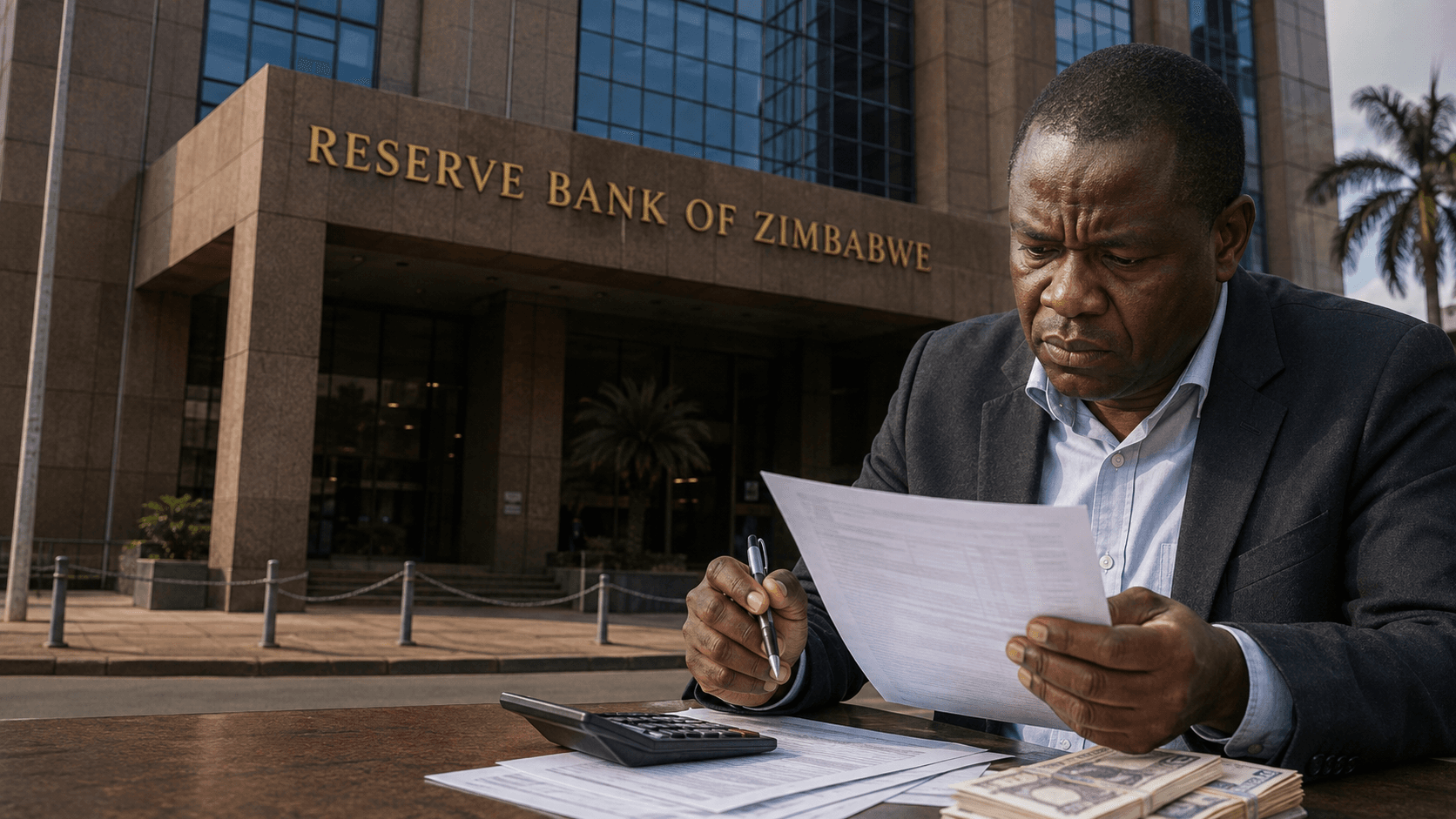
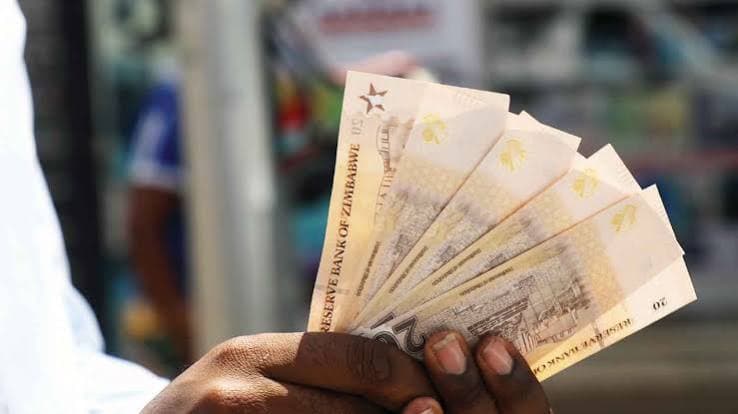
Annual ZiG inflation dropped to 2.9% in August, the lowest since independence, 18 April 1980. But the central bank says some banks have not cut lending rates since June, leaving borrowers paying more than 40% while prices barely move.
Your subscription helps fund investigations, public-interest reporting and deeper Zimbabwe coverage.

Comments
Join the conversation
Share your view.
No comments yet. Be the first.