
High Court Rejects Bid to Reopen US$64,990 Rental Dispute Over Questioned US$17,000 Settlement Claims
 By Prosper Makunike6 min read
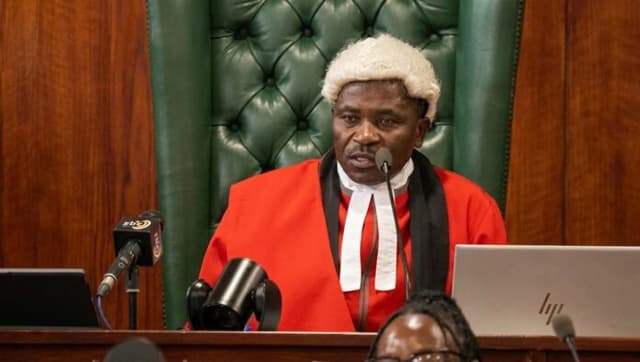
Justice Siyabona Musithu rejected the applications, finding that the applicants had failed to provide a convincing explanation for the lengthy delay in seeking to overturn the judgment. The court also questioned their claims that they had paid more than US$17,000 towards an alleged settlement, saying the evidence presented contained significant inconsistencies.
The dispute dates back to November 2024, when the High Court issued a default judgment ordering Silver Arch Logistics and Mapingure to pay US$64,990, together with interest and legal costs.
The amount comprised US$19,200 in outstanding rentals, US$35,790 in damages allegedly caused to the leased premises and US$10,000 for property said to have been removed from the premises.
Applicants Dispute Rental Claims
Silver Arch Logistics and Mapingure wanted the matter reopened so that the underlying dispute could be determined through a full hearing.
They argued that Global King Jewellery and Mining had exaggerated its claim and that some of the alleged damage amounted to ordinary wear and tear associated with the use of rented premises.
They also disputed liability for certain rental payments, arguing that the respondent had already taken possession of the property during some of the months for which rent was being claimed.
The applicants further said that a tenancy deposit had been retained and that they had offered to repair the disputed damage.
They also maintained that some of the repair materials they had purchased remained in the respondent's possession.
Disputed US$17,000 Settlement Payments
A central part of the applicants' case was their claim that the parties had negotiated a settlement under which they allegedly paid more than US$17,000 towards resolving the dispute.
They told the court that they were surprised when Global King Jewellery and Mining proceeded with execution of the default judgment despite the alleged payments.
The applicants argued that the respondent was relying on the absence of a formally signed settlement agreement to pursue the entire judgment debt.
However, the respondent denied that a settlement had been concluded, insisting that no deed of settlement had been prepared and that the applicants had failed to provide convincing evidence of the alleged payments.
Justice Musithu found that correspondence exchanged between the parties' legal representatives did not support the applicants' version of events.
“While the applicants averred that some payments were made towards the alleged settlement, none of the correspondence between their legal practitioners and the respondents’ legal practitioners allude to any payment that was made pursuant to the alleged settlement,” the judge said.
She questioned why payments exceeding US$17,000 had not been properly documented, particularly because the applicants were still represented by lawyers during the period in which the alleged transactions were supposed to have taken place.
The judge said there should have been a clear documentary record if the payments had genuinely been made as part of an agreed settlement.
Court Questions US$7,000 Cash Deposit
The court also examined a cash deposit receipt for US$7,000 which the applicants attached to an answering affidavit in one of their applications.
They claimed the money had been deposited into the account of Tendai Biti Law Firm in June 2025.
However, Justice Musithu noted that the alleged payment had not been mentioned in the applicants' founding affidavit, which was filed months later and referred instead to payments amounting to at least US$17,000.
The judge questioned why the applicants had failed to disclose the US$7,000 transaction earlier if it formed part of their defence.
“The fact that the payment was never mentioned in the founding affidavit, with the applicants instead referring to an amount which was twice what was claimed to have been paid, bears the hallmarks of untruthfulness,” she said.
She described the alleged payment as an afterthought, adding that the inconsistencies were particularly concerning because the supposed settlement payments formed a major part of the applicants' case.
Nearly 12-Month Delay Not Properly Explained
Justice Musithu also found that the applicants had failed to provide a satisfactory explanation for waiting almost 12 months before attempting to reverse the default judgment.
They blamed their previous legal practitioners for allegedly failing to file the necessary pleadings and heads of argument correctly, resulting in the dismissal of an earlier application to rescind the judgment.
However, the court noted that no affidavit had been provided by their former lawyer, identified as Samundombe, to explain the alleged professional errors.
The judge said the applicants could not rely on unsubstantiated accusations against their former legal representatives to justify the prolonged delay.
“The explanation for the delay in the circumstances is highly unsatisfactory coming as it was from the applicants’ own counsel who became seized with the matter after the applicants changed legal practitioners,” she said.
The court also highlighted a history of procedural failures, including the filing of a defective appearance to defend, failure to submit heads of argument in earlier proceedings and the dismissal of previous applications.
Court Rejects Other Legal Arguments
The applicants also argued that the default judgment should be challenged through an appeal.
Justice Musithu rejected that position, explaining that a default judgment must first be rescinded before the affected party can properly pursue the underlying dispute.
She also dismissed the argument that earlier court applications had made the current proceedings res judicata, meaning that the same matter had already been finally determined and could not be brought again.
The judge noted that the previous applications had been dismissed on procedural grounds rather than after the substantive issues had been fully determined.
Consequently, she found that the earlier proceedings did not prevent the court from considering the latest applications.
Judge Says Prospects of Success Were Remote
In assessing whether the applicants deserved another opportunity to challenge the judgment, Justice Musithu also considered their prospects of success in the original rental dispute.
She concluded that their chances were remote, noting that the default judgment had been granted after the court considered evidence supporting the respondent's claims, including quotations relating to the alleged damage to the premises.
The applicants' arguments about normal wear and tear, outstanding rental periods, the tenancy deposit and proposed repairs were therefore not sufficient to persuade the court to reopen the matter.
The judge concluded that the applications lacked merit and dismissed both.
Silver Arch Logistics and Mapingure were also ordered to pay the respondent's legal costs on the ordinary scale.
The ruling leaves the November 2024 default judgment of US$64,990, together with interest and costs, intact.
Justice Musithu said the applicants' explanation for the delay was unsatisfactory and their version of events concerning the alleged settlement payments raised serious credibility concerns.
Sources & reporting
The Granite Post Zimbabwe verifies documents, interviews sources and checks official records before publication. Our editorial standards explain what we require before a story runs.
Read our editorial standards
Related Articles


Join the discussion
Share your view.
No comments yet. Be the first.