
Supreme Court Strikes Off Appeal in Morgan Tsvangirai Estate Dispute Over Procedural Failures
 By Prosper Makunike4 min read
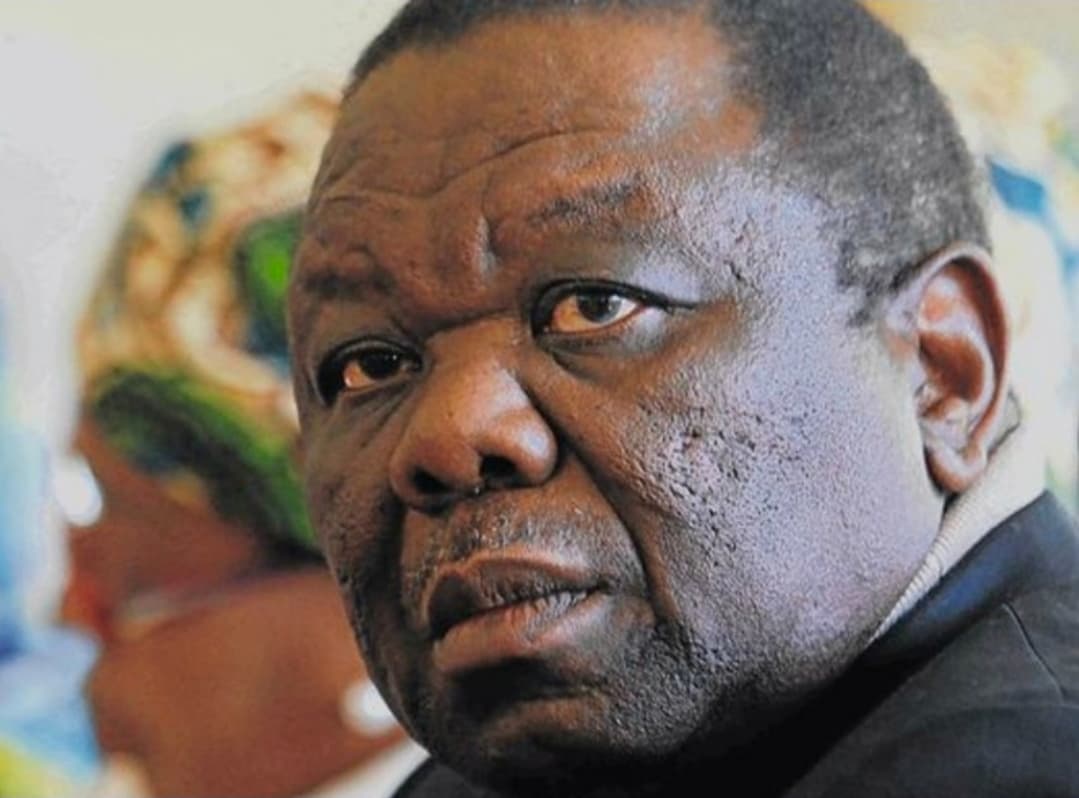
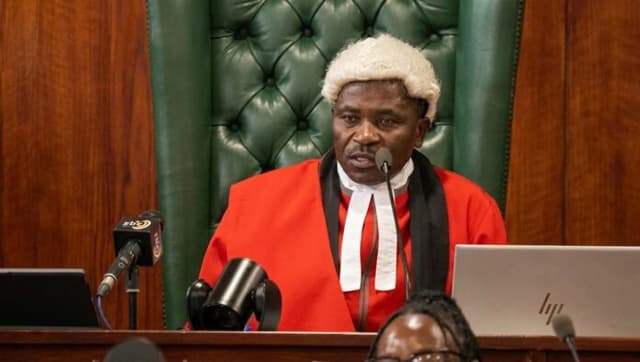
In a judgment delivered on November 13, 2026, Supreme Court judge Justice Chinembiri Bhunu ruled that Muzadzi had failed to comply with the requirements governing his application. He had not corrected defects in his case within the prescribed period and had also attempted to appeal against an interim High Court order without first obtaining the necessary permission.
Muzadzi's claim stems from alleged political work he says he performed for Tsvangirai and the MDC during the former opposition leader's lifetime. His case also includes claims for damages arising from alleged assault, perjury and libel.
He alleges that he and his late partner, Kisinoti Mukwazhe, were promised US$7,800 and a Nissan NP200 vehicle in return for their work. Muzadzi claims the agreement was not honoured, leading to his partner's alleged defection to the ruling party.
High Court case affected by defective pleadings
The dispute was previously removed from the High Court roll on October 23, 2025, after the court found that Muzadzi's pleadings were incoherent and legally defective.
The defects made it difficult to establish the precise legal basis of his claim.
According to the Supreme Court, Muzadzi failed to address the shortcomings within the 30-day period provided for under Practice Direction 3 of 2013. As a result, his matter was deemed abandoned.
Justice Bhunu said Muzadzi should have sought to have the case reinstated in the High Court after correcting the defects instead of immediately attempting to appeal against the decision to strike it off the roll.
“The applicant has however, chosen to appeal against the order striking off his application instead of seeking reinstatement of the matter in the court a quo after attending to and purging the defects afflicting his case,” Bhunu said.
Appeal filed without the required permission
The Supreme Court also found that the High Court's decision was an interim procedural order rather than a final determination of the underlying dispute.
Justice Bhunu explained that the order did not settle the merits of Muzadzi's claim but simply removed the matter from the roll while allowing him an opportunity to correct the problems and return to court.
“The order striking off the matter from the roll undoubtedly fits the definition of an interim order. This is because the order at hand does not have a final and definitive effect. It does not determine the merits of the case,” the judge said.
The court further referred to Section 43(2) of the High Court Act, which prohibits appeals against interlocutory orders unless permission has first been granted by a judge.
Muzadzi had not obtained the required leave to appeal. Bhunu said the Supreme Court could not assume jurisdiction in the matter without the High Court having first refused an application for leave to appeal.
“The purported application by the applicant in terms of r 50(3) is therefore a nullity at law and to that extent, an occasion that never occurred in the eyes of the law,” he said.
Judge criticises attacks on lower court
The judge also criticised Muzadzi's response to preliminary objections raised by the respondents.
Instead of addressing the procedural shortcomings identified in his application, Muzadzi had questioned the integrity of the High Court, alleging corruption and saying he had lost confidence in the institution. He maintained that he could not submit to its jurisdiction.
Bhunu dismissed those allegations as baseless, saying they did not answer the legal objections raised against his application.
“It is apparent that the scandalous attacks on the court a quo and its judicial officers is a mere red herring, calculated to side step and avoid the indefensible preliminary objections raised by the respondents for which he has no answer,” the judge said.
The Supreme Court upheld the respondents' preliminary objections and struck off Muzadzi's application for condonation and an extension of time to appeal. He was also ordered to pay the costs of the proceedings.
Background to Tsvangirai's political legacy
Morgan Tsvangirai, who died in February 2018, was Zimbabwe's prime minister during the Government of National Unity formed with then-President Robert Mugabe between 2009 and 2013.
He founded the MDC and became one of the country's most prominent opposition politicians, challenging Mugabe in successive presidential elections, including the disputed 2008 poll.
Tsvangirai remained a leading figure in Zimbabwean opposition politics until his death.
Sources & reporting
The Granite Post Zimbabwe verifies documents, interviews sources and checks official records before publication. Our editorial standards explain what we require before a story runs.
Read our editorial standards
Related Articles

Join the discussion
Share your view.
No comments yet. Be the first.