
Hwange Power Station Maintenance Raises Fears of Fresh Electricity Shortages
 By Prosper Makunike5 min read
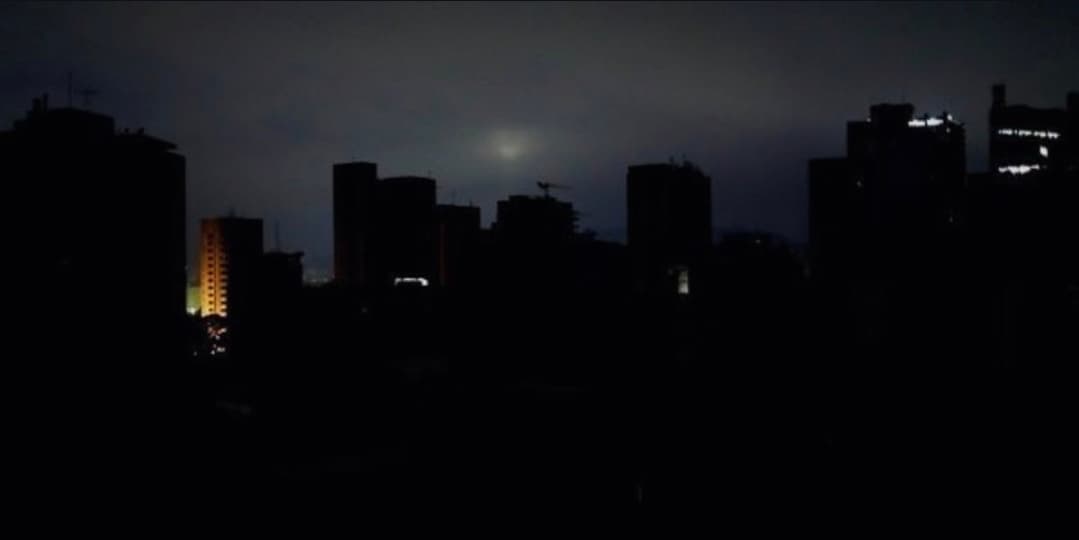
The Zimbabwe Electricity Supply Authority (ZESA) announced that maintenance work on Units 7 and 8 would commence on November 15, 2026.
According to a notice issued on November 12, Unit 7 is expected to return to operation on January 4, 2027, while Unit 8 is scheduled to resume generating electricity on January 26.
The simultaneous unavailability of the two units is expected to place additional pressure on the national electricity grid, depending on demand levels and the availability of alternative power supplies.
ZESA said the exercise was part of its regular preventive maintenance programme, which is designed to improve equipment reliability, maintain plant efficiency and reduce the possibility of unexpected breakdowns.
“The maintenance programme forms part of the utility’s routine asset management strategy aimed at sustaining plant performance, improving operational reliability and ensuring the continued availability of generating units for the national grid,” the utility said.
ZESA outlines measures to limit power disruptions
The electricity provider says it has developed contingency arrangements to compensate for the temporary reduction in generation at Hwange.
One of the measures involves increasing electricity production at Kariba Power Station, particularly during periods of peak demand.
ZESA also intends to obtain additional electricity through imports from regional suppliers under the Southern African Power Pool (SAPP).
Further supplies are expected from Independent Power Producers (IPPs) operating under existing power purchase agreements, while additional solar generation will contribute as more renewable energy projects become connected to the national grid.
“To ensure stable power supplies during the period, ZESA Private Limited has put in place several measures to mitigate the temporary reduction in generation capacity,” the notice stated.
The utility noted that the maintenance exercise was scheduled during a period when electricity consumption is generally lower, a factor that could help ease pressure on available supplies.
However, the ability of these arrangements to prevent load-shedding will depend on electricity availability from Kariba, regional markets and independent producers.
Zimbabwe's prolonged electricity supply challenges
The latest maintenance programme comes as Zimbabwe continues to grapple with electricity shortages that have affected households, businesses and industries for many years.
The country's power challenges have been linked to ageing generating infrastructure, insufficient investment, frequent equipment failures, financial difficulties within the energy sector and reduced hydroelectric production during drought periods.
A 2023 World Bank Zimbabwe Economic Update reported that national electricity consumption had fallen by approximately 20 percent over two decades, declining from about 10,493 gigawatt-hours in 2000 to 8,439 gigawatt-hours in 2020.
The institution attributed much of the decline to inadequate electricity generation, deteriorating infrastructure and limited funding for maintenance and expansion.
Power shortages became particularly severe during the economic crisis and hyperinflationary period between 2006 and 2009, when investment in the electricity sector weakened and the country increasingly depended on imports to supplement local production.
Although electricity availability improved during parts of 2017 and 2018, with periods when load-shedding was reduced or suspended, the situation deteriorated again in subsequent years.
An International Finance Corporation country diagnostic published in 2024 documented the return of widespread load-shedding between 2019 and 2022.
The shortages were aggravated by drought conditions in 2019, which reduced water availability for electricity generation at Kariba, while ageing equipment and breakdowns at Hwange further restricted domestic production.
Households and businesses were consequently forced to endure lengthy power cuts. Mining companies, manufacturers and other electricity-intensive operations increasingly turned to alternative energy sources, often at significantly higher costs.
The World Bank's 2023 assessment indicated that outages during periods of severe shortages sometimes lasted between 12 and 14 hours daily.
The unreliable supply increased operating expenses for businesses and affected the competitiveness of local industries.
New Hwange units offer additional capacity
In an effort to address the country's generation deficit, Zimbabwe expanded Hwange Power Station through the construction of Units 7 and 8.
The two units were commissioned in 2023 and added a combined 600 megawatts to the national electricity grid.
The expansion was expected to strengthen domestic generation and reduce dependence on imported electricity.
However, the additional capacity has not completely resolved the country's power challenges.
The Ministry of Finance's 2024 Annual Budget Review reported that reduced water levels at Kariba and poor performance by older Hwange Units 1 to 6 contributed to increased load-shedding during 2024.
The El Niño-induced drought also affected hydroelectric production, while maintenance-related shutdowns of the newer Hwange units added further pressure to electricity supplies towards the end of that year.
Despite these difficulties, the Government reported that domestic electricity generation increased by 10.5 percent in 2024 compared with 2023, largely due to more consistent contributions from the newly commissioned Hwange units.
Nevertheless, overall production remained inadequate to satisfy the country's growing electricity requirements.
Another test for the electricity sector
The World Bank has also identified financial weaknesses among energy-sector companies, inadequate planning and limited private-sector participation as some of the structural problems affecting Zimbabwe's electricity industry.
The latest maintenance exercise will therefore test the ability of ZESA to maintain reliable supplies while carrying out essential work on critical generating infrastructure.
For households and businesses, attention will be focused on whether electricity imports, increased production at Kariba and contributions from independent power producers will be sufficient to cover the temporary reduction in output from Hwange.
Unit 7 is expected to return on January 4, 2027, followed by Unit 8 on January 26, when the utility anticipates restoring the full generating capacity of the two units.
Sources & reporting
The Granite Post Zimbabwe verifies documents, interviews sources and checks official records before publication. Our editorial standards explain what we require before a story runs.
Read our editorial standards
Related Articles

Join the discussion
Share your view.
No comments yet. Be the first.