
Zimbabwe Targets 600,000-Tonne Grain Reserve Ahead of 2027 Budget
 By Rebecca Zimera3 min read
In short
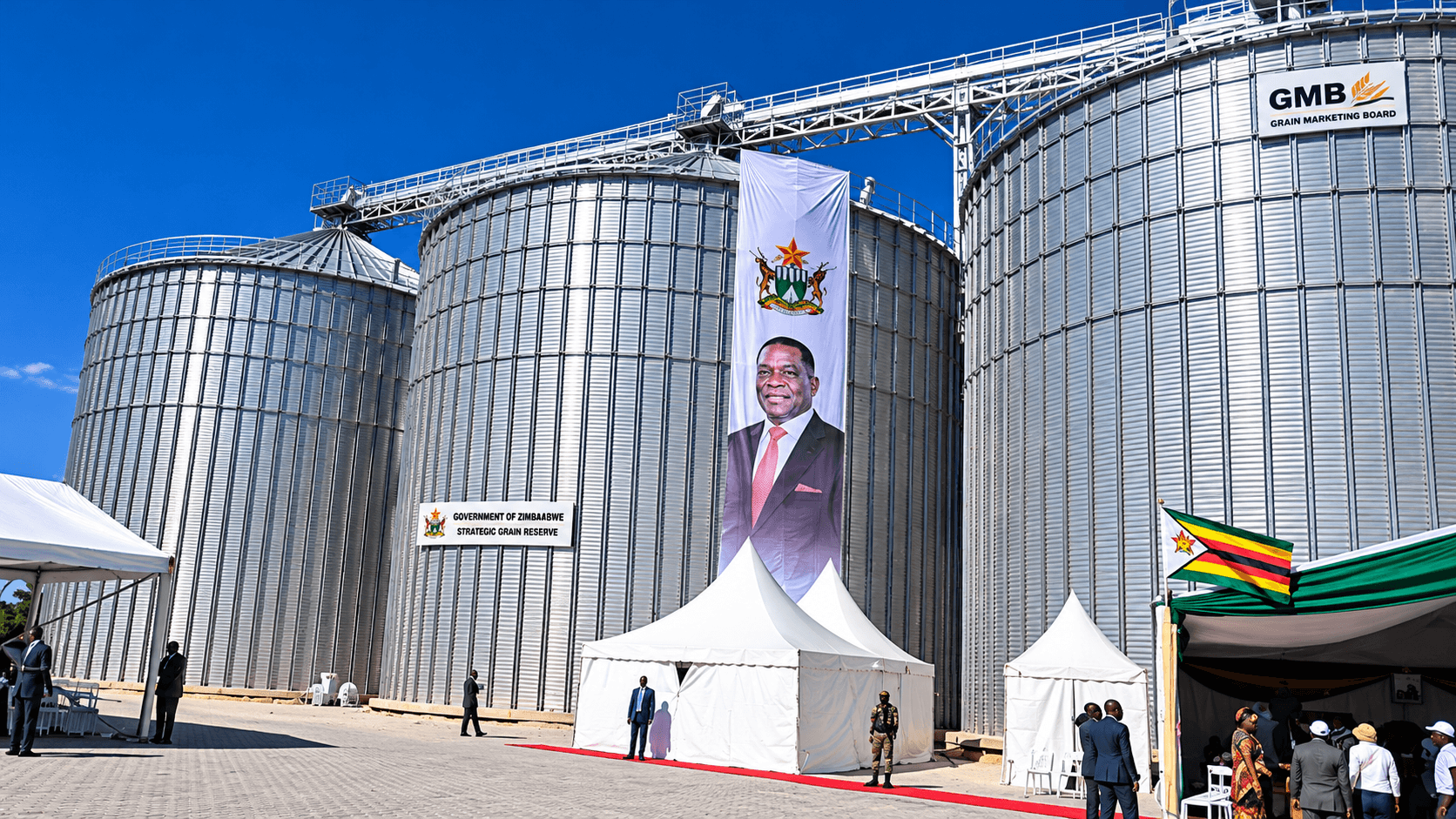
- Zimbabwe is targeting a 600,000-tonne Strategic Grain Reserve by October 2027 as Government prioritises drought preparedness in the 2027 National Budget, to be presented on 19 November.
Finance Minister Professor Mthuli Ncube said at the Pre-Budget Seminar in Bulawayo last week that the budget, to be presented in Parliament on 19 November, will focus on strengthening resilience against climate and global shocks.
"The 2027 National Budget will be guided by the NDS2 priorities, aimed at accelerating the country's momentum towards the long-term developmental objectives in Vision 2030, while responding to current economic realities," Prof Ncube said.
The Strategic Grain Reserve target forms the cornerstone of Government's six-pillar drought response plan, which also includes expanded irrigation, climate-smart agricultural financing, summer irrigated cereal production, private sector participation, livestock drought mitigation and enhanced early warning systems.
Agriculture Minister Dr Anxious Masuka said on 1 November that Zimbabwe currently holds 352,000 metric tonnes in the Strategic Grain Reserve and expects to reach 450,000 tonnes by year-end as wheat harvesting is completed.
The Strategic Grain Reserve target represents Government's primary buffer against food insecurity during the forecast El Niño season. With reserves at 352,000 tonnes in early November, up from more than 200,000 tonnes in mid-October, the pace of grain accumulation will determine Zimbabwe's capacity to protect vulnerable citizens from potential drought-related food shortages.
"At national level, we aim to have 600,000 metric tonnes by August 2027," Dr Masuka said at his ministry's strategic planning workshop, setting a more ambitious timeline than the October 2027 deadline referenced in Cabinet documents and Finance Ministry statements.
Food Security and Drought Preparedness
Government projects cereal production of 1,607,198 tonnes in the 2026/27 agricultural season against national requirements of 2,270,386 tonnes, resulting in a deficit of 663,188 tonnes, according to a Cabinet briefing on 20 October.
The shortfall has prompted Government to accelerate grain reserve accumulation and establish drought mitigation measures.
Permanent Secretary in the Ministry of Finance and Economic Development Mr George Guvamatanga disclosed on 14 October that Government is building a US$500 million El Niño protection fund, comprising US$250 million in cash and US$250 million worth of grain.
He said Government had already accumulated more than 200,000 metric tonnes of maize in strategic reserves at that time, with purchases prioritising local farmers.
"We will also make further provisions in the 2027 budget for further funding to support the adverse impact that will be brought forward by the El Niño phenomena," Mr Guvamatanga said during an online briefing from the IMF/World Bank Annual Meetings in Bangkok.
Prof Ncube said Government was taking an anticipatory rather than reactive approach to the expected climatic shock.
"A Super El Niño does not automatically mean drought, but Government is mobilising resources ahead of the shock from its own budget, banks, private contractors and off-takers, agricultural financing, insurance (including sovereign drought insurance) and development partners," he said.
The 2027 Budget will be guided by the National Development Strategy 2, which seeks to accelerate progress towards Vision 2030 while consolidating achievements under the first development strategy.
Although economic growth is projected to moderate to 3.5 percent in 2027 from five percent in 2026, Government intends to strengthen economic resilience through infrastructure investment, agricultural support and fiscal discipline.
The budget will target an overall deficit of less than three percent of gross domestic product. Revenue collections for 2026 are projected at ZiG287.64 billion against expenditure of ZiG290.88 billion.
Sources & reporting
The Granite Post Zimbabwe verifies documents, interviews sources and checks official records before publication. Our editorial standards explain what we require before a story runs.
Read our editorial standards
Related Articles

Join the discussion
Share your view.
No comments yet. Be the first.