
Zimbabwe Targets US$9.1 Billion in Energy Investments by 2030

In short
- Zimbabwe plans to mobilise US$9.13 billion by 2030 for electricity generation, grid infrastructure, renewable energy and expanded electricity access.
By Simba Zimunya
Zimbabwe is seeking to mobilise approximately US$9.13 billion in energy-sector investments by 2030 as the Government steps up efforts to address electricity shortages, modernise infrastructure and support industrial growth.
The ambitious investment programme is expected to fund new electricity generation projects, upgrades to transmission and distribution networks, renewable energy development and expanded access to electricity.
The initiative forms part of Zimbabwe's National Energy Compact under the Mission 300 programme, which seeks to accelerate electricity access and energy-sector investment across Africa.
The success of the programme will depend on whether the proposed investments are secured and translated into reliable, accessible electricity for households and businesses.
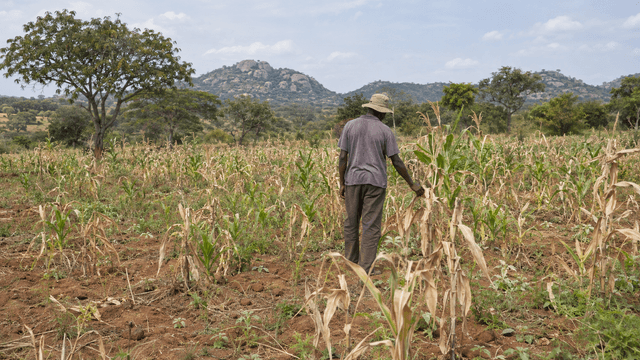
The investment target is particularly important for Zimbabwe, where unreliable electricity supplies have affected households, businesses, mining operations and manufacturing industries.
Where Will the US$9.13 Billion Go?
The National Energy Compact identifies several areas requiring substantial investment across the electricity value chain.
According to the published compact, the investment requirements include:
- US$3.81 billion for electricity generation: Financing new power stations and expanding existing generation capacity, with significant private-sector participation.
- US$968.4 million for transmission: Strengthening the infrastructure responsible for transporting electricity from power stations to distribution networks.
- US$147.4 million for distribution: Improving electricity distribution infrastructure and network efficiency.
- US$2.97 billion for on-grid electricity access: Expanding connections to households and communities.
- US$405 million for standalone solar systems: Supporting off-grid electricity solutions.
- US$791.5 million for clean cooking: Expanding access to cleaner household energy technologies.
These allocations demonstrate that the investment programme extends beyond building power stations. It also seeks to improve electricity access and modernise the infrastructure needed to deliver power to consumers.
Private Investors Expected to Play a Major Role
The Government is looking to Independent Power Producers (IPPs), international financiers, development partners and domestic investors to help fund the programme.
Private-sector participation is particularly important because public resources alone may not be sufficient to finance the country's energy requirements.
The investment framework is intended to create opportunities in solar, hydroelectricity, thermal generation and other energy technologies.
Government has also highlighted the importance of improving procurement processes, strengthening regulatory frameworks and providing investors with greater confidence in electricity purchasing arrangements.
However, attracting billions of dollars will depend on whether investors consider Zimbabwe's electricity market financially sustainable and predictable.
Issues such as currency stability, payment security, electricity tariffs and regulatory consistency will remain important considerations.
Zimbabwe Targets More Than 5,400MW in Installed Capacity
One of the country's major energy ambitions is to increase installed electricity generation capacity to approximately 5,432MW by 2030.
The plan includes expanding renewable energy capacity from 1,282MW in 2024 to 2,640MW by 2030.
The Government also wants renewable energy sources excluding large hydropower, including solar, wind and bagasse, to contribute a larger share of the national electricity mix.
These targets are intended to diversify electricity generation and reduce dependence on a limited number of major power stations.
Projects involving Hwange Power Station, Kariba and independent power producers are expected to contribute to the country's broader generation ambitions.
Solar Energy and Independent Power Producers Gain Importance
Zimbabwe's solar energy potential presents opportunities for businesses and investors seeking to develop alternative electricity sources.
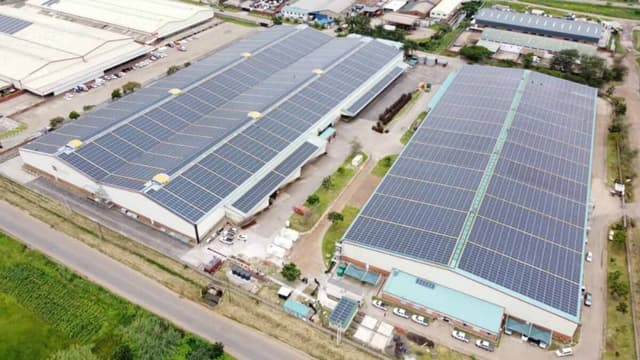
Independent power producers are increasingly becoming part of the country's energy development strategy, with projects ranging from rooftop solar installations to large-scale solar farms.
The Government is also promoting net metering, which allows qualifying electricity consumers with renewable energy systems to feed excess electricity into the national grid under approved arrangements.
This could encourage households, commercial properties and industrial facilities to invest in their own solar generation capacity.
For businesses struggling with electricity interruptions, alternative energy investments could improve operational reliability and reduce dependence on conventional grid supplies.
Electricity Access Remains a Major Challenge
Beyond industrial electricity demand, Zimbabwe is also seeking to expand access to electricity in communities that remain unconnected to the national grid.
The National Energy Compact includes targets for increasing household electricity access through both conventional grid connections and off-grid solutions.
Standalone solar systems and mini-grid developments are expected to play an important role in reaching communities where extending conventional transmission infrastructure may be costly or difficult.
Expanding electricity access could improve opportunities in education, healthcare, agriculture and small businesses, particularly in rural areas.
NDS2 and Vision 2030: Can the Targets Be Achieved?
Energy security is a major component of Zimbabwe's National Development Strategy 2 (2026–2030), which seeks to strengthen productive sectors and support the country's ambition of attaining upper-middle-income status by 2030.
Reliable electricity is essential for mining, manufacturing, agriculture, digital services and other economic activities.
However, announcing a US$9.13 billion investment target is only the beginning.
The real challenge will be securing the financing, completing projects on schedule, maintaining infrastructure and ensuring that additional generation translates into reliable electricity for consumers.
Zimbabwe must also address the financial and operational challenges affecting its electricity utilities if the expanded infrastructure is to remain sustainable.
The Real Test Is Delivering Reliable Electricity
The proposed energy investment programme presents an opportunity to reshape Zimbabwe's electricity sector and attract substantial private capital.
If successfully implemented, it could increase generation capacity, expand household connections, strengthen the national grid and create opportunities for businesses and investors.
But Zimbabweans will ultimately judge the programme by practical improvements: fewer power cuts, more reliable electricity supplies, affordable energy and stronger industrial production.
The country has set an ambitious financial target. The next question is whether it can turn that investment ambition into electricity that consistently reaches homes, farms, mines and factories.
Sources & reporting
The Granite Post Zimbabwe verifies documents, interviews sources and checks official records before publication. Our editorial standards explain what we require before a story runs.
Read our editorial standardsRelated Articles

Join the discussion
Share your view.
No comments yet. Be the first.