
Government Opens Duty-Free Window for 450,000 Tonnes of Fertiliser Ahead of Planting Season
 By Rebecca Zimera3 min read
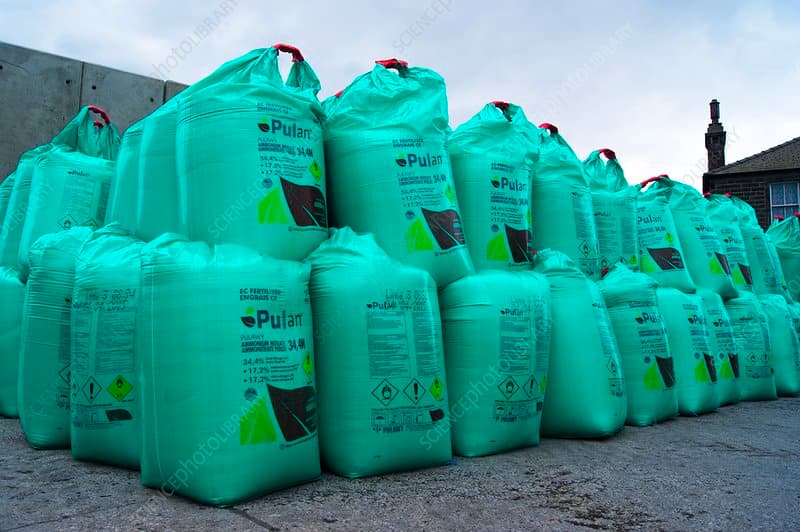
Government has opened a duty-free import window for 450,000 tonnes of fertiliser to bridge a significant supply gap ahead of the 2026/27 summer cropping season, as Zimbabwe prepares for below-normal rainfall associated with a forecast strong El Niño.
The intervention will allow the importation of 200,000 tonnes of basal fertiliser and 250,000 tonnes of top-dressing fertiliser against a national requirement of 780,000 tonnes, leaving an anticipated shortfall of 330,000 tonnes.
Treasury has released US$10 million to settle outstanding payments and accelerate the movement of agricultural inputs from Grain Marketing Board depots to wards, where distribution has been slower than planned.
Agriculture, Mechanisation and Water Resources Development Permanent Secretary Professor Obert Jiri said available supplies remained significantly below requirements.
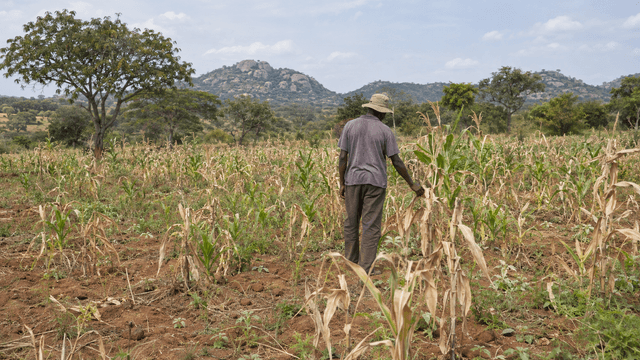
Affordable and timely access to fertiliser is critical for agricultural productivity under forecast drought conditions. Zimbabwe expects a cereal deficit of 663,188 tonnes in the 2026/27 season, placing greater emphasis on maximising yields from available inputs.
"The national requirement for basal and top dressing is 780,000 tonnes. While inputs are reaching GMB depots, the movement to wards has been slow but is gradually gaining momentum," Prof Jiri said in an interview.
He said current stocks included 13,000 tonnes of Compound D against a requirement of 60,000 tonnes, while top-dressing deliveries had reached between 40 and 50 percent of requirements.
"To meet the gap, Government has opened duty-free imports of 200,000 tonnes of basal and 250,000 tonnes of top-dressing fertiliser," Prof Jiri said.
Industry Response
Zimbabwe Commercial Farmers Union president Dr Shadreck Makombe welcomed the intervention, saying the suspension of import duty could reduce retail fertiliser prices and ease the financial burden on farmers preparing for the cropping season.
"Suspension of duty on fertiliser will help lower the retail price of the commodity and make it more affordable for farmers to purchase and use. This can have a positive impact on agricultural productivity and potentially increase crop yields," Dr Makombe said.
He urged farmers to pool resources and take advantage of the import window, while exercising caution to ensure they prioritised quality over cheaper, potentially substandard products.
Dr Makombe said improved access to affordable fertiliser could encourage farmers to apply adequate quantities to their crops, strengthening national food security amid drought fears.
Drought Mitigation Context
The duty-free window forms part of Government's six-pillar drought response plan ahead of the 2026/27 season, which meteorological forecasts indicate will experience below-normal rainfall and warmer-than-normal temperatures.
Zimbabwe expects to produce approximately 1.6 million tonnes of cereals against national requirements of 2.27 million tonnes, resulting in a projected deficit of 663,188 tonnes.
Government is targeting a Strategic Grain Reserve of 600,000 tonnes by October 2027 to cushion the country against food insecurity.
Prof Jiri said farmers had been advised to target December as the main planting window, guided by effective rainfall of between 20 and 40 millimetres rather than isolated early showers.
Farmers who completed their Pfumvudza/Intwasa potholing are being prioritised under the Presidential Inputs Programme distribution, which was launched nationally on 9 October 2026.
Government has also restructured the Pfumvudza/Intwasa programme, incorporating full liming and a 50 percent reduction in fertiliser application, complemented by manure, compost and foliar feeds to improve soil health and moisture retention.
The 2027 National Budget, due to be presented in Parliament on 19 November, is expected to prioritise drought mitigation and agricultural resilience as Government seeks to protect food security and rural livelihoods under challenging climatic conditions.
Sources & reporting
The Granite Post Zimbabwe verifies documents, interviews sources and checks official records before publication. Our editorial standards explain what we require before a story runs.
Read our editorial standards
Related Articles

Join the discussion
Share your view.
No comments yet. Be the first.