
Zimbabwe Backs Zero-Waste Vision as Geo Pomona Tours COP31 Museum
In short
- Geo Pomona's Dr Dilesh Nguwaya has visited Türkiye's Zero Waste Museum as Zimbabwe explores a possible local version of the educational initiative.
By Simba Zimunya
Zimbabwe is looking to draw lessons from Türkiye's waste management model as it explores ways to strengthen recycling, resource recovery and environmental sustainability.
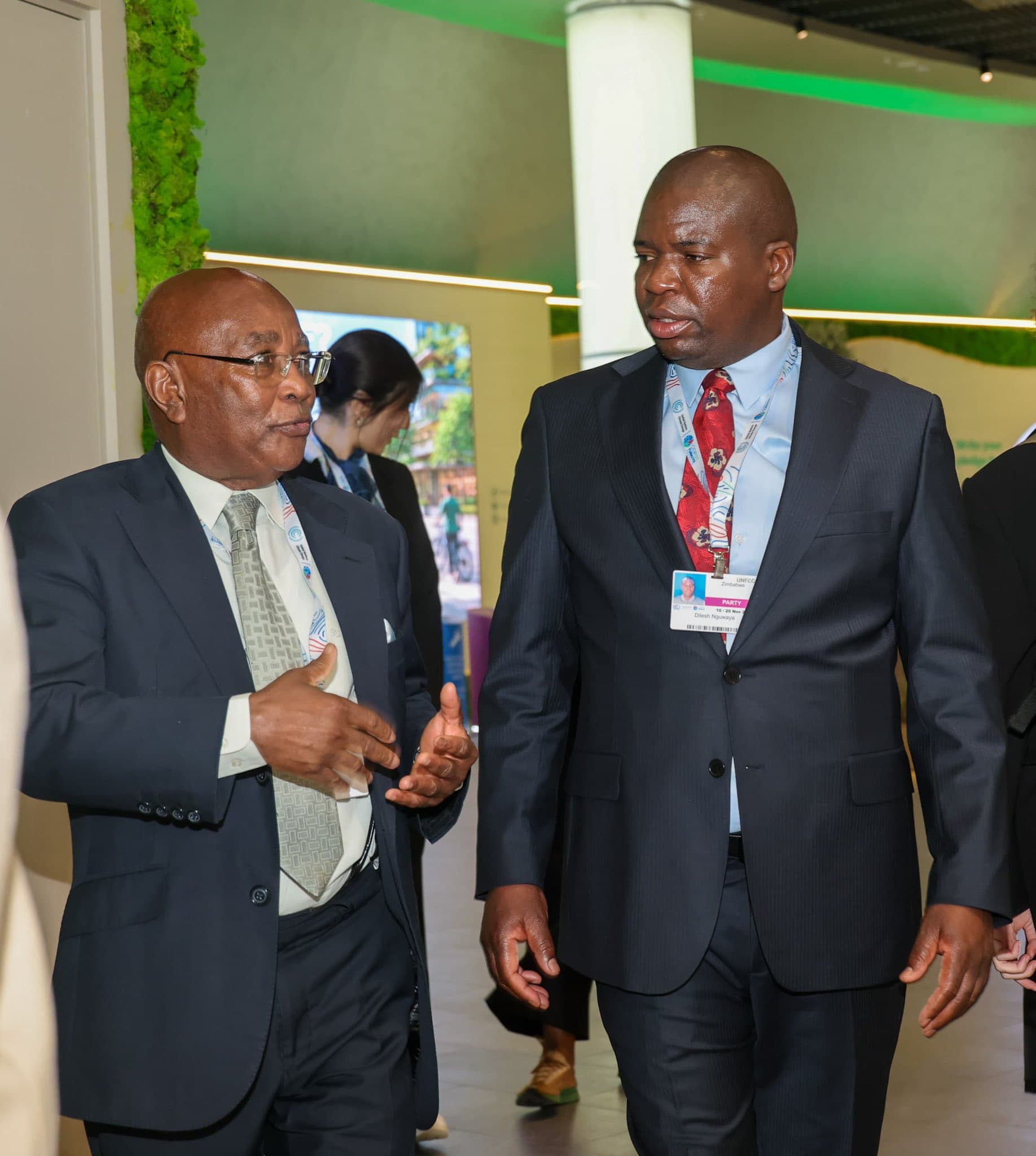
Geo Pomona Waste Management Chief Executive Officer and Presidential Special Advisor on Waste Management and Environmental Sustainability, Dr Dilesh Nguwaya, toured the newly opened Zero Waste Museum at the COP31 climate conference in Antalya, Türkiye, on Thursday.
The visit forms part of Zimbabwe's broader engagement on waste management and the circular economy, with Dr Nguwaya expressing interest in introducing a similar educational concept locally to encourage people to view waste as a resource rather than something to be discarded.
Zimbabwe's waste-management ambitions will depend on practical recycling systems, reliable infrastructure, public participation and measurable environmental outcomes.
According to ZBC News, Dr Nguwaya said Zimbabwe could learn from Türkiye's experience and indicated that discussions were expected to include a proposed memorandum of understanding with the relevant organisation.
Learning From Türkiye's Zero-Waste Model
The Zero Waste Museum showcases recycling, reuse, resource conservation and the environmental impact of everyday waste.
Its exhibits include artwork made from discarded materials and displays illustrating how waste can be recovered and turned into useful products.
The museum also documents Türkiye's nine-year Zero Waste Project, which promotes resource efficiency and circular-economy practices.
For Zimbabwe, a similar initiative could help improve public understanding of waste separation, recycling and responsible disposal, particularly in urban communities where unmanaged waste remains an environmental challenge.
Geo Pomona's Waste Management Operations
The visit also places attention on Geo Pomona's operations at the Pomona waste management facility in Harare.
The company's Sorting Plant and Materials Recovery Facility, commissioned in June 2025, has the capacity to sort up to 1,080 tonnes of waste per day, according to company information reported during COP31.
The sorting process is intended to separate recyclable materials before the remaining waste is directed towards appropriate disposal or treatment processes.
Planned Waste-to-Energy Project Targets 16–22MW
Geo Pomona is also pursuing a planned waste-to-energy facility designed to process approximately 1,000 tonnes of municipal waste daily and generate between 16 and 22 megawatts of electricity for the national grid.
The project is intended to convert suitable residual waste into energy while reducing the volume of material sent to landfill.
However, the proposed power-generation facility should not be confused with the existing sorting plant. The 16–22MW figure represents the planned plant's design capacity; it is not electricity currently being generated.
The project is therefore still an important test of whether Zimbabwe can translate its waste-management ambitions into reliable infrastructure and measurable environmental benefits.
Turning the Zero-Waste Ambition Into Practical Action
Zimbabwe's participation in discussions at COP31 comes as waste management increasingly features in global climate action, particularly efforts to reduce pollution, improve recycling and limit methane emissions from waste.
A zero-waste approach requires more than building sorting facilities or generating electricity from rubbish. It also depends on reducing waste at source, encouraging reuse, expanding recycling markets, improving municipal collection systems and educating communities.
For Zimbabwe, the challenge will be ensuring that lessons from international initiatives translate into affordable and effective solutions for local authorities, businesses and households.
Dr Nguwaya's proposed effort to bring the museum concept to Zimbabwe could provide an opportunity to strengthen public awareness. Its success, however, would depend on sustained investment, public participation and practical systems that make responsible waste management possible.
The broader objective is to move towards a system in which waste is treated not merely as a disposal problem, but as a resource that can support environmental protection, employment and economic activity.
Sources & reporting
The Granite Post Zimbabwe verifies documents, interviews sources and checks official records before publication. Our editorial standards explain what we require before a story runs.
Read our editorial standardsRelated Articles
Join the discussion
Share your view.
No comments yet. Be the first.