
NSSA Raises Minimum Pension to US$90: What Pensioners Will Receive and When
 By Rebecca Zimera6 min read
The National Social Security Authority (NSSA) has raised its minimum monthly retirement pension from US$70 to US$90. The revised amounts are scheduled to be paid in the 13 November 2026 payroll.
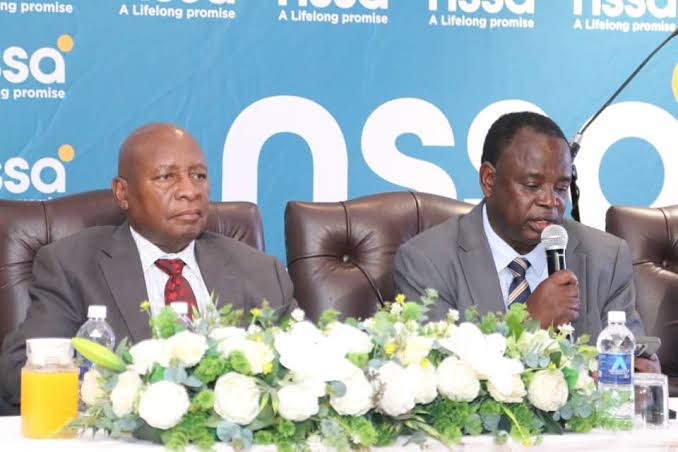
Public Service, Labour and Social Welfare Minister Edgar Moyo announced the increase at a press conference in Harare on 10 November 2026. He said the Government approved the review after a statutory actuarial valuation "confirmed the financial health of the fund".
"Under the Pension and Other Benefits Scheme, which currently supports approximately 262 000 beneficiaries, the minimum retirement pension has been increased by 28,57 percent, from US$70 to US$90 per month," Mr Moyo said.
The 262,000 figure covers everyone paid under the scheme, including retirement pensioners and surviving dependants. NSSA has not said how many of them currently receive the minimum and will therefore benefit from the new rate.
NSSA's two schemes pay about 270,000 beneficiaries, though NSSA has not said how many receive the minimum. Rights groups question whether US$90 provides an adequate retirement income, while the fund's long-term financial sustainability will influence future increases.
The minimum workers' pension under the Accident Prevention and Workers' Compensation Scheme rises by 30 percent, from US$100 to US$130. That scheme pays about 8,000 people injured or disabled at work.
"The revised benefits will be reflected in the November payroll, scheduled for 13 November 2026, and will be backdated to October 2026," the Minister said.
| Scheme | Old minimum | New minimum | Monthly increase | Change |
|---|---|---|---|---|
| Retirement pension | US$70 | US$90 | US$20 | 28.57% |
| Workers' compensation pension | US$100 | US$130 | US$30 | 30% |
What NSSA has not yet confirmed
Whether pensions above the minimum will increase.
Whether the minimums for survivors' and invalidity pensions have changed.
How much of the new minimum will be paid in US dollars and how much in ZiG, and how the October arrears will be paid.
Although the increase has been widely reported as 30 percent, that figure applies only to the workers' compensation scheme. The retirement scheme's minimum rises by 28.57 percent.
NSSA general manager Dr Charles Shava first disclosed the planned increase in late September and said it would take effect on 1 October 2026. He linked it to a 2025 actuarial valuation, lower administrative costs and stronger investment returns.
NSSA says its balance sheet grew from about US$300 million in 2022 to about US$1.3 billion, and that investment income rose from US$3 million to about US$40 million.
What the increase means for you
I receive the minimum retirement pension. What should I expect on 13 November?
Your monthly minimum becomes US$90. Because the increase is backdated to October, the November payment should also include arrears for October. NSSA has not published how the arrears will be calculated or paid. Pensioners should check their payment advice once the payroll is processed.
My pension is above the minimum. Will it go up?
The announcement covered minimum pensions only, and neither the Minister nor NSSA has said whether higher pensions will change. NSSA said in September that its retirement scheme pays between US$70 and US$350 a month.
I receive a survivor's or invalidity pension. Does the US$90 minimum apply to me?
The Minister's statement refers to the "minimum retirement pension". NSSA has not said whether the minimums for survivors' and invalidity pensions have also changed.
Will I be paid in US dollars?
Not necessarily in full. When NSSA paid a once-off bonus with May 2026 pensions, it said 83.33 percent of the minimum pension was paid in US dollars and the balance in ZiG at the official exchange rate. NSSA has not said what split will apply to the new rates.
Who qualifies for each NSSA benefit?
NSSA's published rules set different conditions for each benefit.
- Retirement pension: You must have contributed for at least 120 months (10 years) and either have retired at 60 or reached 65. You may claim at 55 if you spent at least seven of the previous 10 years in arduous work, such as agriculture, heavy truck driving, forestry or underground mining. If you contributed for between 12 and 119 months, you receive a one-off retirement grant instead.
Invalidity pension: You must be under 60, have contributed for at least 12 months, and be medically certified as permanently unable to work through physical or mental ill health. If you contributed for at least six but fewer than 12 months, you receive a one-off invalidity grant instead.
Survivor's benefit: This is paid to the dependants of a contributor who, at the time of death, would have been entitled to a retirement or invalidity benefit. NSSA lists eligible dependants in priority order: a qualifying widow or widower, dependent children, parents and other dependants. It may be paid as a monthly pension or a grant.
Funeral grant: Under a 2024 regulation, this is payable on the death of a contributor with at least 12 months of contributions, or of a person receiving a retirement or invalidity pension. Contact NSSA for the current amount.
When do I need to claim?
NSSA says claims for retirement, invalidity and survivors' pensions should be submitted within 12 months of retirement, invalidity or death. Retirement and invalidity grant claims should be submitted within five years.
What documents do I need?
For a retirement pension, NSSA lists a P9/P10 form completed by the claimant and employer, certified identification, a bank statement and a payslip stamped and signed by the employer.
Invalidity claims also require a P11(a) medical form completed by a registered doctor.
Survivors' claims require a P9/P10 form completed by the claimant and signed by the deceased contributor's employer, identification, a death certificate, bank statement and payslip. Depending on the relationship, a marriage certificate, birth certificate, guardianship certificate or other evidence of dependency may also be required.
Requirements can change, so applicants should confirm with their nearest NSSA office before submitting documents.
I live outside Zimbabwe. Is there anything I must do?
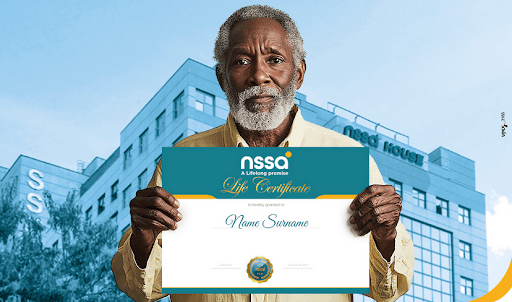
Pensioners abroad must submit a diaspora life certificate. NSSA's form warns that failing to complete it within three months results in the pension being suspended until it is received. Completed forms go to NssaLifeCertificates@nssa.org.zw.
Is this the same as a Government pension?
No. NSSA pays contributory pensions to formal-sector workers. Civil service pensions are paid from the Consolidated Revenue Fund and reviewed separately.
The increase has drawn criticism over whether it is enough. The Zimbabwe Human Rights Association (ZimRights) said on 11 November that the US$20 rise was "a step forward". It questioned whether the new payout meets standards for a dignified retirement, citing Section 82 of the Constitution on the rights of older persons.
Mr Moyo said benefit adequacy "must be underpinned by the long-term sustainability of the social security system". He said NSSA must invest contributors' funds prudently to meet its obligations to current and future beneficiaries.
This guide will be updated when NSSA confirms further details or announces new benefit rates.
Sources & reporting
The Granite Post Zimbabwe verifies documents, interviews sources and checks official records before publication. Our editorial standards explain what we require before a story runs.
Read our editorial standards
Related Articles


Join the discussion
Share your view.
No comments yet. Be the first.