
Zimbabwe Sets Up 914 Drought Centres as 2.2 Million Cattle Face Risk
 By Rebecca Zimera5 min read
In short
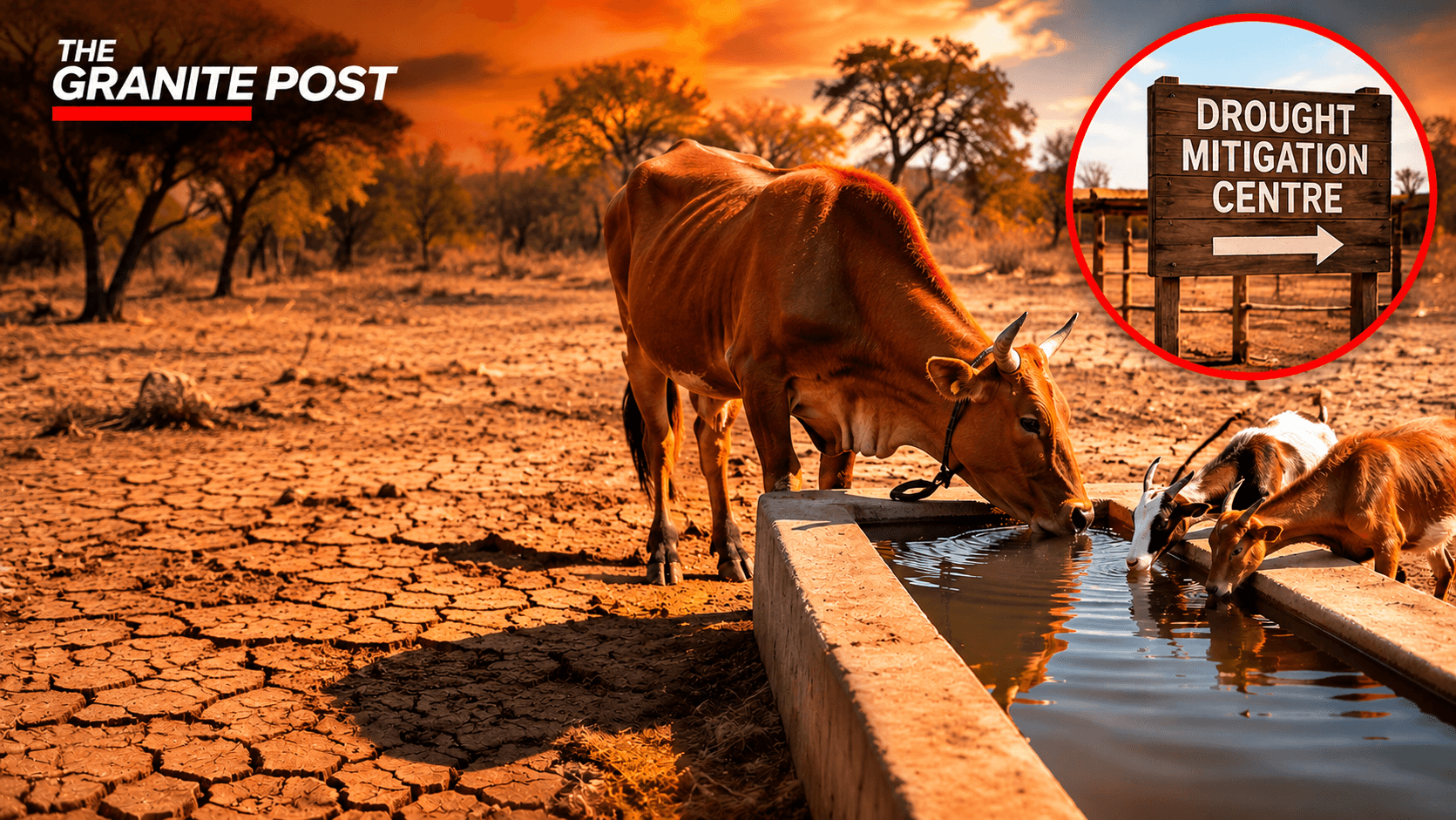
- Zimbabwe has established drought mitigation centres in 914 of its 1,527 rural wards as it prepares for a forecast El Niño-related drought. The centres are intended to provide livestock water, feed, disease control and organised markets.
The centres are intended to provide livestock watering and feeding facilities, disease-control services and organised cattle markets. However, questions remain over how many are fully equipped and whether sufficient livestock feed will be available.
Information, Publicity and Broadcasting Services Minister Zhemu Soda announced the latest figures following a Cabinet meeting on 10 November, which reviewed progress under the Government's summer agricultural and drought mitigation plans.
The programme now covers 914 of Zimbabwe's 1,527 rural wards, equivalent to 59.9 percent. Another 613 wards remain outside the reported rollout.
The expansion has accelerated. On 3 November, Agriculture Minister Anxious Masuka said centres had been established in 751 wards. The latest Cabinet figures represent an increase of 163 centres in approximately one week, although the Government has not established publicly whether all the additional facilities are fully operational.
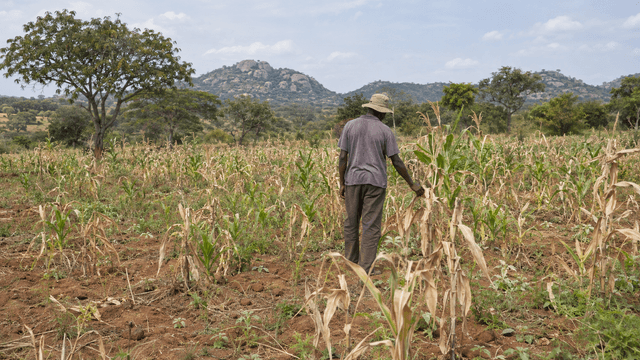
Livestock provide income and financial security for many rural households. With 613 rural wards outside the reported centre rollout, access to functioning water, feed and livestock markets will be critical if drought conditions worsen.
Cabinet estimates indicate that 2,248,498 cattle, representing 38.9 percent of Zimbabwe's national herd of 5,750,439, could be at risk.
The figure is a projection of potential exposure rather than a count of animals already lost to drought.
How the centres are expected to protect farmers
The ward facilities are designed to address three problems that become more severe during drought: shortages of water and livestock feed, animal disease and distress sales.
When grazing conditions deteriorate, farmers may be forced to sell cattle quickly, sometimes accepting lower prices because they cannot afford to keep the animals.
The Government intends to bring buyers and sellers together at designated marketing points, reducing the pressure on farmers to negotiate individual sales at their homesteads.
Agriculture Minister Masuka said the centres would bring livestock buyers together at ward level on designated market days.
He outlined plans for each centre to include a Village Business Unit, livestock watering facilities, feeding troughs, a cattle marketing area and a spray race for dipping animals when conventional dip tanks cannot be used.
The proposed arrangement would allow farmers to access several livestock services at a central location.
Yet the distinction between establishing a centre and delivering those services remains important.
Although some reports have described the 914 centres as operational, the Government's published briefing does not provide a ward-by-ward assessment of functioning water supplies, feed availability, disease-control equipment and livestock markets.
The availability of feed presents a particularly significant challenge.
According to Ministry of Agriculture estimates cited by the Famine Early Warning Systems Network (FEWS NET) in September, cattle at risk during the coming lean season would require approximately 405,000 tonnes of supplementary feed, with an estimated deficit of 233,000 tonnes.
FEWS NET warned that anticipated rainfall shortages could limit the recovery of pasture and water supplies from late 2026, with more severe livestock impacts possible during the 2027/28 lean season.
The figures indicate that feeding infrastructure alone will not resolve the problem unless sufficient feed is produced, procured or distributed.
Farmers have been encouraged to prepare fodder, silage and hay, while wheat producers have been urged to preserve crop residues for livestock feeding.
The Government has not publicly detailed how the reported supplementary feed shortfall will be addressed through the ward-centre programme.
Questions also remain about the locations of individual centres, the scheduling of livestock markets and the availability of services in wards not yet covered.
Food security risks beyond livestock
The drought mitigation centres form part of a wider national response covering strategic grain reserves, climate-smart agriculture, financing, livestock protection, grain imports and early-warning coordination.
According to the 10 November Cabinet update, irrigation development had reached 308,969 hectares, with 119,068 hectares earmarked for maize production during the 2026/27 summer season.
Farmers had also established 14,971,621 Pfumvudza/Intwasa conservation farming plots, representing 93.3 percent of the Government's target.
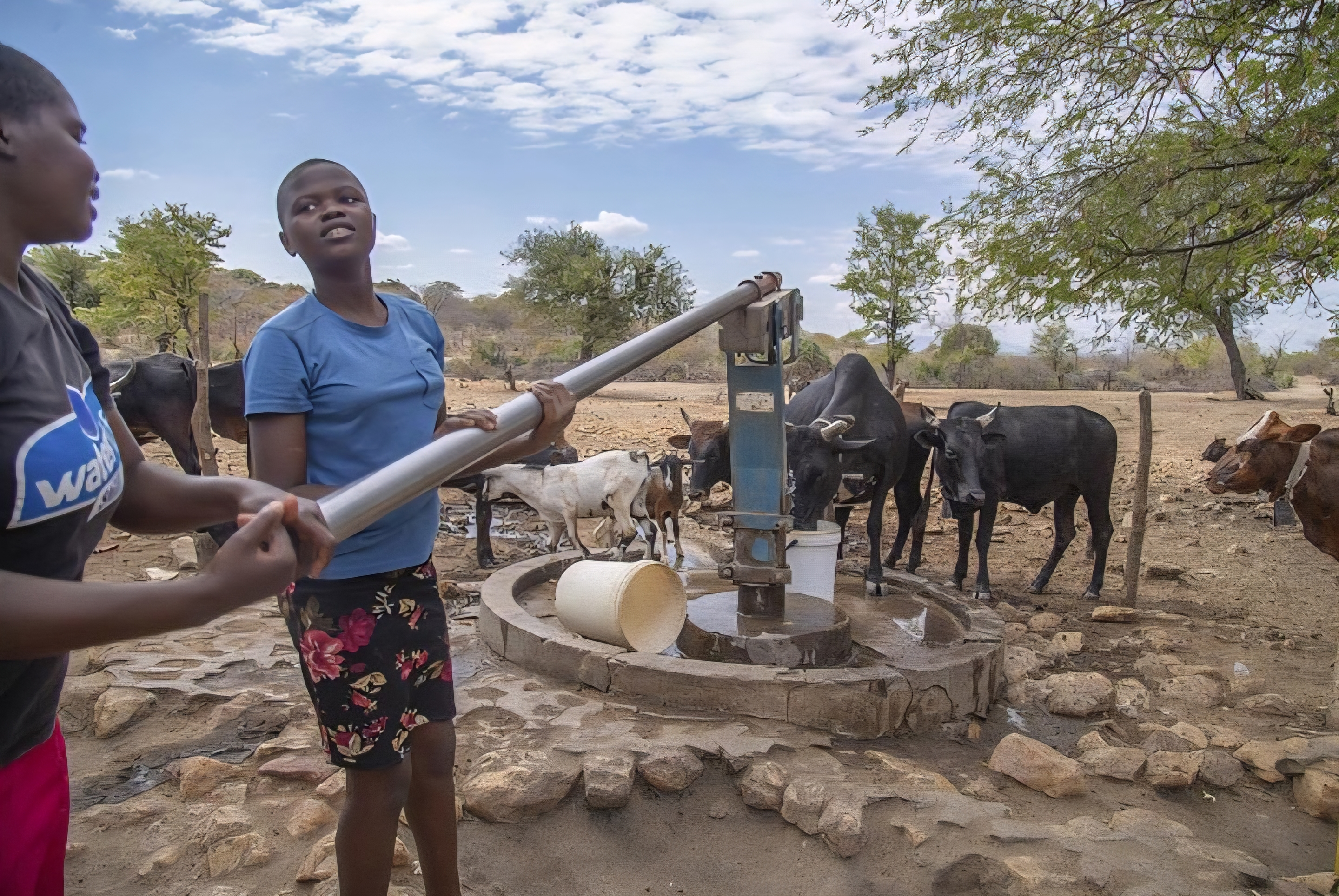
The Strategic Grain Reserve held 365,688 tonnes as of 9 November, against a target of 600,000 tonnes by October 2027. The Agricultural and Rural Development Agency accounted for more than 90 percent of the reported reserve intake.
These measures are intended to reduce exposure to poor rainfall, but national grain stocks alone do not establish whether vulnerable households will receive sufficient food assistance if harvests decline.
International assessments have highlighted the scale of the potential threat.
In an October assessment, the United Nations Food and Agriculture Organization (FAO) reported an 88 to 94 percent likelihood of El Niño conditions during the 2026/27 rainy season and a 65 percent probability of below-normal rainfall.
FAO warned that more than six million people could be at risk and cited a scenario involving a potential 72 percent reduction in maize production.
These figures are forecasts and risk scenarios, not confirmed crop losses or evidence that six million people are already experiencing drought-related food shortages.
FEWS NET separately projected Crisis-level food insecurity, classified as IPC Phase 3, in several deficit-producing areas from October through at least January.
The affected areas include Matabeleland North and South, Masvingo, parts of Manicaland and Midlands, and the far north of the country.
The assessment linked the outlook to seasonal depletion of household food stocks, limited incomes and high staple food prices.
To strengthen coordination, the Government and FAO launched the operational phase of the Drought Action Committee on 6 October.
The committee, established in April 2024, is intended to coordinate early-warning information, financing requirements and agricultural interventions. Its immediate work includes preparing a draft costed drought investment plan within 90 days of the October launch.
For rural households, the success of Zimbabwe's preparations will ultimately depend on whether announced programmes translate into accessible services.
The next measures of progress will be how many centres have reliable water and feed, whether the supplementary feed deficit is addressed and how quickly services reach the remaining 613 rural wards.
Those outcomes will help determine whether farmers can protect their livestock, maintain household incomes and avoid distress sales if the coming season brings severe drought conditions.
Sources & reporting
The Granite Post Zimbabwe verifies documents, interviews sources and checks official records before publication. Our editorial standards explain what we require before a story runs.
Read our editorial standards
Related Articles
Join the discussion
Share your view.
No comments yet. Be the first.