
Mutapa Fund Pushes Zimbabwe Towards Regional Fuel Hub as Dividends Reach US$93 Million
In short
- Mutapa is backing a pipeline expansion intended to raise Zimbabwe's fuel transportation capacity to five billion litres annually, while reporting US$93 million in cumulative dividends.
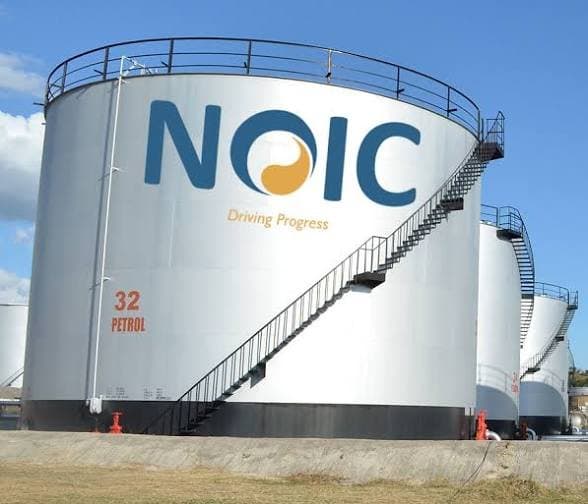
The Mutapa Investment Fund (MIF) is pursuing an ambitious expansion of Zimbabwe's fuel transportation infrastructure, with plans to increase the National Oil Infrastructure Company's (NOIC) pipeline capacity from three billion to five billion litres annually.
The expansion is expected to strengthen domestic fuel security while positioning Zimbabwe as a regional fuel distribution hub capable of serving markets across Southern Africa.
The development forms part of the Fund's broader strategy to improve the performance of State-owned enterprises, generate commercial returns and unlock value from national assets.
According to information presented by MIF chief executive Dr John Mangudya, the Fund has received cumulative dividends of US$93 million from its portfolio companies against gross capital disbursements of US$152 million.
Better fuel logistics could strengthen supply security and regional trade, while the Fund's financial returns raise questions about the commercial performance of State-owned assets.
The figures highlight the Fund's efforts to turn investments in State-owned enterprises into income-generating assets.
NOIC pipeline expansion targets five billion litres
The planned expansion of NOIC's pipeline infrastructure is one of the Fund's major energy-sector investments.
The Beira-Feruka-Msasa pipeline, which transports fuel from Mozambique into Zimbabwe, currently has an annual pumping capacity of approximately three billion litres.
The second phase of the upgrade is expected to increase this capacity to five billion litres annually.
The project is being undertaken in partnership with Mozambique and is expected to improve the efficiency of fuel transportation, reduce reliance on road haulage and strengthen the movement of petroleum products into Zimbabwe.
In September 2026, President Emmerson Mnangagwa and Mozambican President Daniel Chapo presided over the groundbreaking ceremony for the second phase of the pipeline expansion in Mozambique.
The project includes the construction of additional pumping stations to support increased fuel transportation volumes.
Zimbabwe eyes regional fuel distribution opportunities
Beyond meeting domestic demand, the expanded pipeline could create opportunities for Zimbabwe to handle and distribute fuel destined for neighbouring countries.
Potential markets include Zambia, Botswana, Malawi and the Democratic Republic of Congo.
The increased capacity is expected to strengthen Zimbabwe's position along the Beira Corridor, which provides an important transportation route connecting the Indian Ocean port of Beira to landlocked countries in the region.
However, becoming a regional fuel hub will require more than increasing pipeline capacity.
Zimbabwe will need to secure reliable export markets, competitive transportation charges, adequate storage infrastructure and efficient cross-border arrangements.
The Mutapa Investment Fund has also revealed plans for a new fuel tank farm in Beira, Mozambique, following the allocation of land for the proposed facility.
The investment is expected to improve fuel storage and supply-chain efficiency while supporting the country's long-term energy security.
Mutapa reports US$93 million in cumulative dividends
On the financial side, the Mutapa Investment Fund says its portfolio companies have generated cumulative dividends of US$93 million.
This is compared with US$152 million in gross capital disbursements made to companies under the Fund's management.
The capital has been directed towards recapitalisation, rehabilitation, infrastructure expansion and efforts to restore productive capacity across several State-owned enterprises.
The Fund's investments cover strategic sectors including energy, mining, agriculture, transport, telecommunications and financial services.
The dividend figures indicate that portfolio companies have begun returning income to the Fund, although they should not be interpreted as proof that the entire US$152 million investment has already been recovered.
Assessing the overall financial performance also requires consideration of operating costs, outstanding investments, asset values, debt obligations and the timing of future returns.
Turning State-owned enterprises into productive assets
The Mutapa Investment Fund was established to manage strategic State investments and improve the commercial performance of companies under its portfolio.
Its strategy involves addressing operational weaknesses, improving corporate governance, injecting capital into viable projects and strengthening the ability of companies to generate sustainable income.
The Fund's performance is therefore closely linked to whether its investments can translate into improved services, higher production, employment opportunities and increased contributions to Government revenue.
Among its other interventions are investments in industrial production and mining, including the refurbishment of the Sable Chemicals fertiliser plant and improvements at Dorowa Mine.
These projects are intended to strengthen domestic production and reduce dependence on imported products.
The bigger question: Will Zimbabwe become a regional energy hub?
The expansion of the fuel pipeline presents an opportunity for Zimbabwe to strengthen its role in regional energy logistics.
However, the real test will be whether the infrastructure can operate efficiently, attract sufficient fuel volumes and generate sustainable commercial returns.
For consumers and businesses, improved fuel logistics could help strengthen supply reliability and reduce transportation-related costs. However, the expansion alone does not guarantee lower pump prices, which are also influenced by international oil prices, taxes, exchange rates and other supply-chain costs.
Ultimately, the success of the Mutapa Investment Fund's strategy will be measured not only by the size of its investments or the dividends it receives, but by the long-term economic value created from Zimbabwe's national assets.
Sources & reporting
The Granite Post Zimbabwe verifies documents, interviews sources and checks official records before publication. Our editorial standards explain what we require before a story runs.
Read our editorial standardsRelated Articles
Join the discussion
Share your view.
No comments yet. Be the first.