
Mutare Girl Missing Since 2013 Found Alive in Mozambique After 13 Years
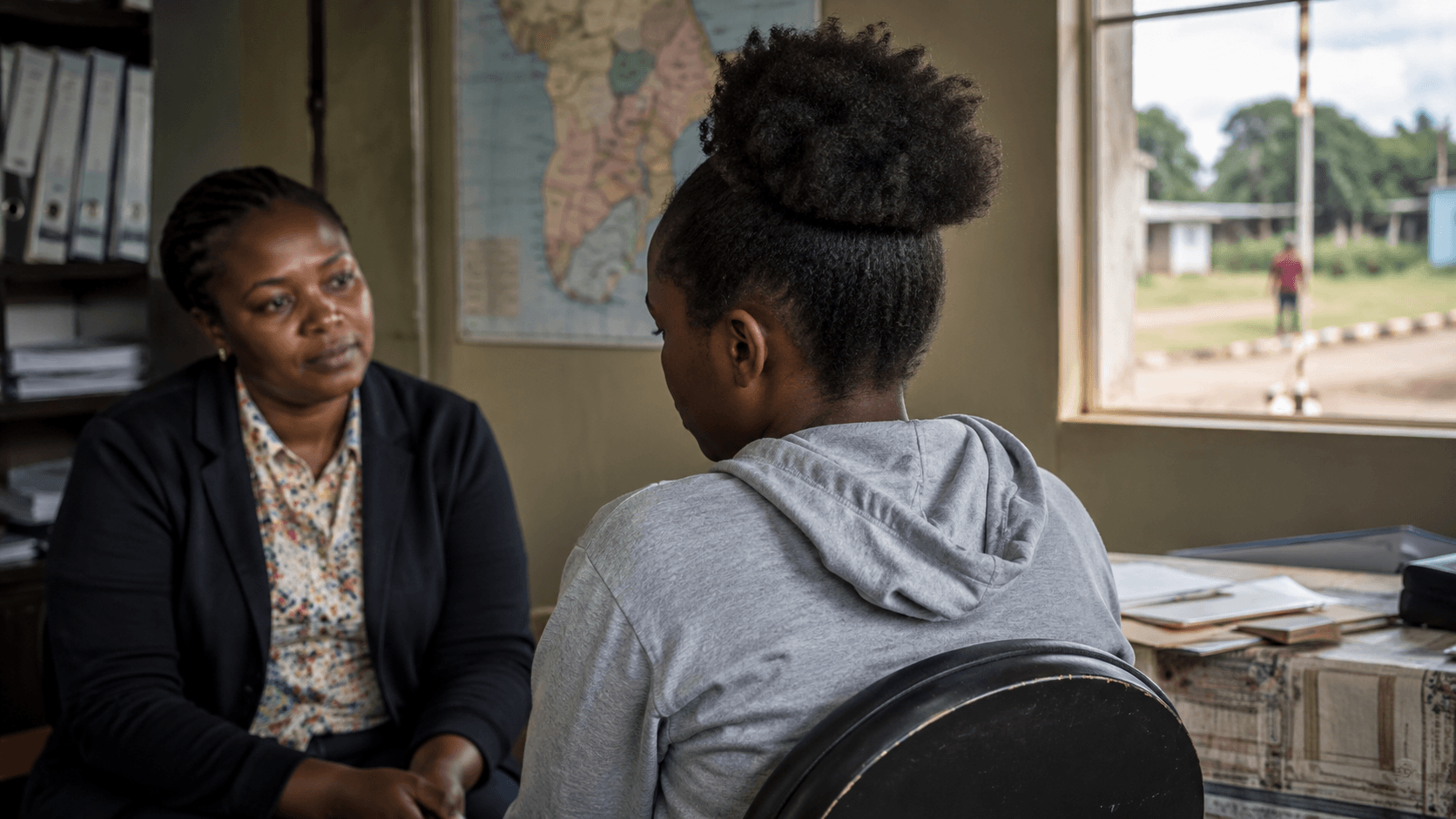
MUTARE - A Mutare missing girl who vanished in 2013 at the age of five has been found alive in Mozambique 13 years later. For more than a decade her family did not know where she was or whether she was still alive.
The teenager resurfaced after reportedly appealing for help on social media. People assisting her traced her Zimbabwean relatives from details she still remembered including the names of her mother and brother. She was brought home through Chipinge Border Post and placed in the care of Simukai Child Protection Services in Mutare where she is receiving counselling and psychosocial support.
Her return has brought relief after years of uncertainty. But it has also reopened a case that is far from resolved.
The girl disappeared in 2013 while living in Mutare. Her mother has said she was away working in the city centre when her daughter went missing. The disappearance was reported to police but the search never brought her home.
Years passed. The child grew into a teenager somewhere beyond Zimbabwe's eastern border while her family remained without answers.
Her return has not produced a simple account of what happened. Instead it has exposed a bitter dispute between her parents.
The teenager's mother has publicly alleged that the girl's father may have known something about the disappearance. The father strongly denies this. He has instead accused another man who had previously been in a relationship with the girl's mother of taking the child to Mozambique.
Neither version has been established as fact. The Manica Post reported that both parents have given conflicting accounts and that some of their claims could not be independently verified. After 13 years allegations may give investigators leads but they do not establish criminal responsibility. Evidence will.
The central question remains unanswered. How did a five-year-old child leave Zimbabwe and stay in Mozambique for 13 years without being found?
Mutare sits close to the border but proximity alone does not explain it. If she crossed through an official border post investigators will want to know who accompanied her and what documents were used. If she crossed elsewhere a different set of questions emerges. Who took her. Who received her in Mozambique. And did anyone caring for her know she had been reported missing in Zimbabwe.
There are also disturbing claims about the years she was away. Her mother has said the teenager described suffering abuse while living in Mozambique including physical abuse. Those claims have not been independently verified. The teenager reportedly escaped from the person she had been living with before seeking help.
She has been placed with Simukai Child Protection Services rather than returning immediately to either parent. That gives professionals time to assess her circumstances away from the increasingly public dispute between her mother and father.
The case also raises questions about the original investigation. Cross-border missing person cases are difficult. Children can be moved without documents and names can change. But the fact that she appears to have spent the entire period in neighbouring Mozambique means authorities may now review whether information was shared with Mozambican police and whether possible routes out of Zimbabwe were properly investigated at the time.
There is no publicly established evidence that investigators ignored information that would have found her. Her return simply makes it possible to ask questions that could not be answered while she was missing.
What stands out most is how the case finally broke. It was not a police breakthrough. It was a social media appeal by the missing child herself. A case that sat unresolved for 13 years changed because she was old enough to speak for herself and remembered enough to be traced.
There is a temptation to call this a story with a happy ending. The reality is harder. The teenager must rebuild relationships with relatives she last knew as a small child while dealing with what she says happened during the years she was away. Her parents are trading accusations. Investigators may have to reopen events dating back more than a decade.
For her family one question has finally been answered. She is alive. The harder questions are only beginning.
How we reported this
The Granite Post verifies documents, interviews sources and checks official records before publication. Our editorial standards explain what we require before a story runs.
Read our editorial standardsAbout the author
Prosper Makunike reports for The Granite Post, focused on accountability and public-interest journalism.
Latest Updates



Business & Economy
RBZ Cut Rates. So Why Does Your Bank Loan Still Cost So Much?Related Articles



More Premium
View all Premium →

Support independent journalism
Support our journalismSupport The Granite Post
Your subscription helps fund investigations, public-interest reporting and deeper Zimbabwe coverage.
Granite Premium
Explore PremiumReporting worth paying for.
Unlimited access to investigations, explainers, analysis and subscriber-only journalism.


Comments
Join the conversation
Share your view.
No comments yet. Be the first.